
 The Standard Group Plc is a multi-media organization with investments in media
platforms spanning newspaper print
operations, television, radio broadcasting, digital and online services. The
Standard Group is recognized as a
leading multi-media house in Kenya with a key influence in matters of national
and international interest.
The Standard Group Plc is a multi-media organization with investments in media
platforms spanning newspaper print
operations, television, radio broadcasting, digital and online services. The
Standard Group is recognized as a
leading multi-media house in Kenya with a key influence in matters of national
and international interest.

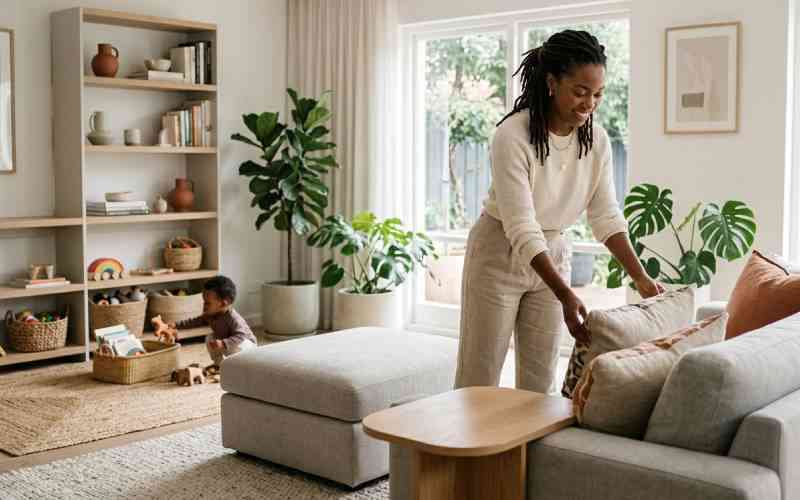
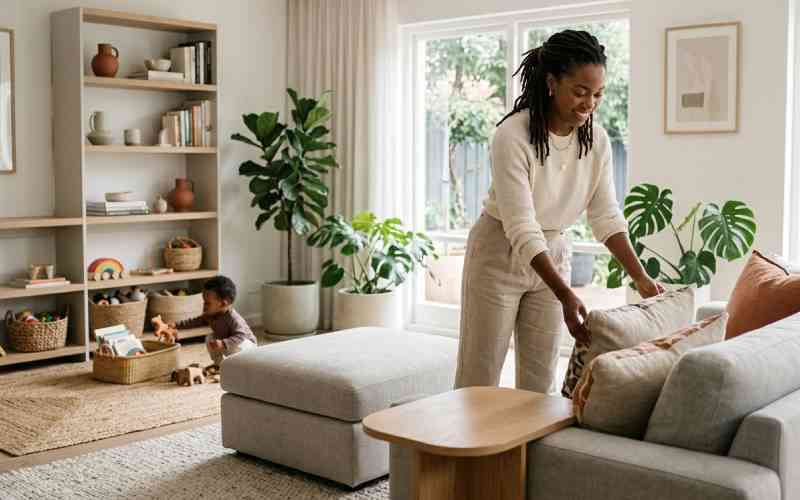
When a child transitions from a stationary observer to an active explorer, the home ceases to be merely a sanctuary for adults. It transforms into a dynamic space for a tiny, curious human.
This shift, marked by the first tentative crawls and unsteady first steps, demands a thoughtful readjustment of our living spaces.
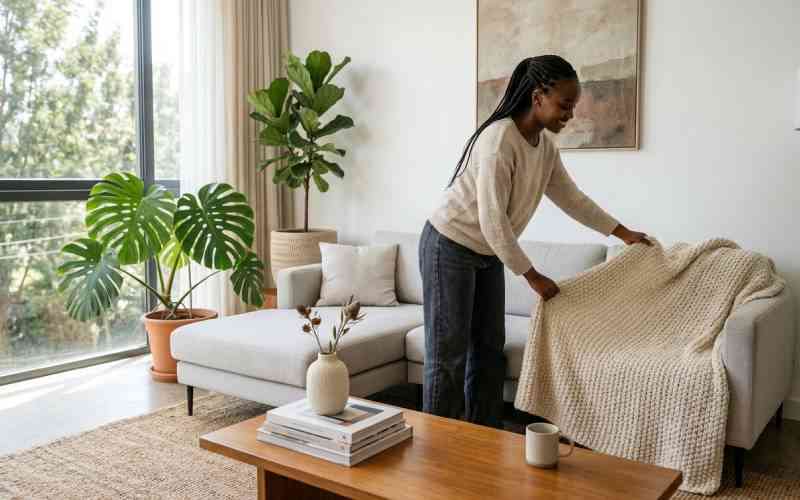
Redecorating during this phase is not about sacrificing personal style. Rather, it is a beautiful act of hospitality, a physical manifestation of a mother expanding her boundaries to accommodate a child’s growing independence.
Across different homes, mothers find inventive and elegant ways to blend the urgent need for safety with the joy of fostering a child’s autonomy.
The most pressing catalyst for this evolution in layout is, of course, safety. From a toddler’s perspective, the world is a landscape of tempting hazards, forcing mothers to view their rooms through the lens of potential tumbles. For instance, Judy, a mother of a newly crawling ten-month-old, chose to temporarily swap her sleek, sharp-edged glass coffee table for a plush, oversized fabric ottoman.
This single adjustment transformed the centre of the living room from a hazard into a soft-landing pad for a child learning to pull herself up. Similarly, practical changes include anchoring heavy bookshelves to the wall and layering thick, low-pile rugs over hard floors to cushion inevitable falls.
Safety gates are no longer just barriers. They are tools that allow mothers to secure high-risk zones, such as kitchens, while keeping the rest of the floor plan open for discovery.
Beyond the crucial safety modifications, there is immense joy in intentionally redesigning elements of the home to foster a child’s autonomy.
- How worried should I be about my child lying?
- When the back-to-school glow fades and real life begins
- Small habits that quietly shape a child's character
- Why raising independent children is not enough
Keep Reading
When mothers adapt their spaces, they signal to their children that they truly belong. Consider Grace, a mother of twin girls, who repurposed the bottom two shelves of her main living room bookcase. She moved her delicate novels to higher shelves and filled the lower baskets with soft blocks, wooden puzzles, and board books.
This created a designated “yes space” where exploration is encouraged rather than policed, freeing Grace from constant monitoring and allowing her children a sense of ownership over the room. These gentle evolutions naturally extend into other shared spaces.
In the kitchen, a mother might dedicate a single low cabinet to child-safe bamboo bowls and plastic cups, allowing her toddler to proudly help set the table at mealtimes. In the bedroom, transitioning to open, floor-level canvas bins ensures that toys can be independently reached and, crucially, put away, fostering early habits of order and self-regulation.
Redecorating for a moving child is a fleeting and precious season in home management. It requires a shift in mindset from rigid preservation to fluid adaptation. The edge guards and secured latches are temporary fixtures, but the confidence a child builds by safely navigating a responsive and encouraging environment leaves a permanent mark on their development.





 join
join