
 The Standard Group Plc is a multi-media organization with investments in media
platforms spanning newspaper print
operations, television, radio broadcasting, digital and online services. The
Standard Group is recognized as a
leading multi-media house in Kenya with a key influence in matters of national
and international interest.
The Standard Group Plc is a multi-media organization with investments in media
platforms spanning newspaper print
operations, television, radio broadcasting, digital and online services. The
Standard Group is recognized as a
leading multi-media house in Kenya with a key influence in matters of national
and international interest.


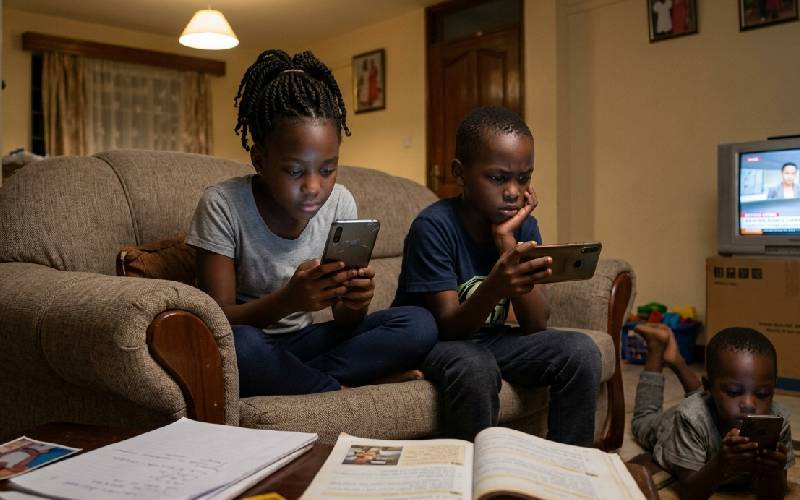
For generations, the gold standard of successful parenting has been packaged into a single, glowing milestone: independence.
We take pride in the toddler who ties their own shoes, the teenager who manages their own schedule, and the young adult who moves out, pays their own bills, and proudly declares that they do not need anyone’s help.
We treat parenting like a race to the finish line of total self-reliance, celebrating the moments our children pull away from us as the ultimate signs of victory.
But if we look closer at a truly flourishing life, absolute independence is an illusion, and a lonely one at that. The real, more profound goal of raising a human being is not independence, but interdependence.
Independence teaches self-sufficiency, which is undoubtedly a useful skill. However, when pursued as the ultimate goal, extreme self-reliance can breed isolation, emotional guardedness, and the exhausting belief that asking for help is a sign of weakness.
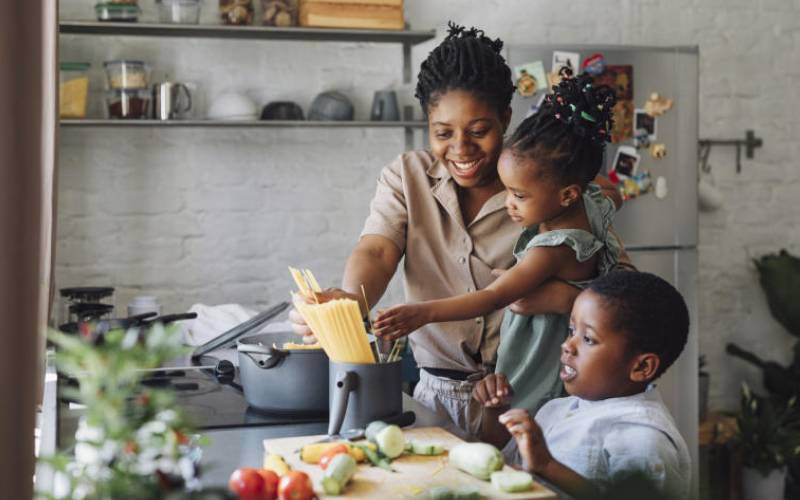
Interdependence, on the other hand, acknowledges a fundamental human truth: we are built for connection. An interdependent adult is fully capable, confident in their own abilities, and entirely self-aware, yet they deeply understand that life is enriched, supported, and given meaning through collaboration with others.
When we shift our parenting lens towards interdependence, the way we teach daily values changes completely. We stop focusing solely on individual achievement and start focusing on mutual contribution.
We move away from the mindset of doing things entirely by oneself and towards the understanding that, while we are capable individually, we are invariably stronger together. We teach our children how to communicate their needs clearly, how to actively listen, and how to hold space for someone else’s vulnerability.
- How worried should I be about my child lying?
- When the back-to-school glow fades and real life begins
- Small habits that quietly shape a child's character
- Raising resilient children begins with emotional safety
Keep Reading
Raising an interdependent child means teaching them the delicate balance of knowing who they are while remaining open to the wisdom and support of those around them. In a practical sense, this looks like normalising the act of asking for help when a task or an emotion feels too heavy to carry alone.
It means teaching children how to navigate conflict by looking for solutions where everyone wins, rather than simply trying to dominate an argument. Most importantly, it means showing them that they are part of a larger ecosystem, a family, a school, a neighbourhood, where their actions ripple out and impact others.
Ultimately, independence is merely a launching pad, but interdependence is the true destination. We do not want to send children into the world who are merely functional islands, perfectly capable of surviving in isolation but unable to connect. We want to raise children who know how to build bridges.
By focusing on interdependence, we give our children the ultimate tools for a rich and meaningful life: the strength to stand firmly on their own two feet, and the wisdom to know whose hands to hold along the way.












 join
join