
 The Standard Group Plc is a multi-media organization with investments in media
platforms spanning newspaper print
operations, television, radio broadcasting, digital and online services. The
Standard Group is recognized as a
leading multi-media house in Kenya with a key influence in matters of national
and international interest.
The Standard Group Plc is a multi-media organization with investments in media
platforms spanning newspaper print
operations, television, radio broadcasting, digital and online services. The
Standard Group is recognized as a
leading multi-media house in Kenya with a key influence in matters of national
and international interest.


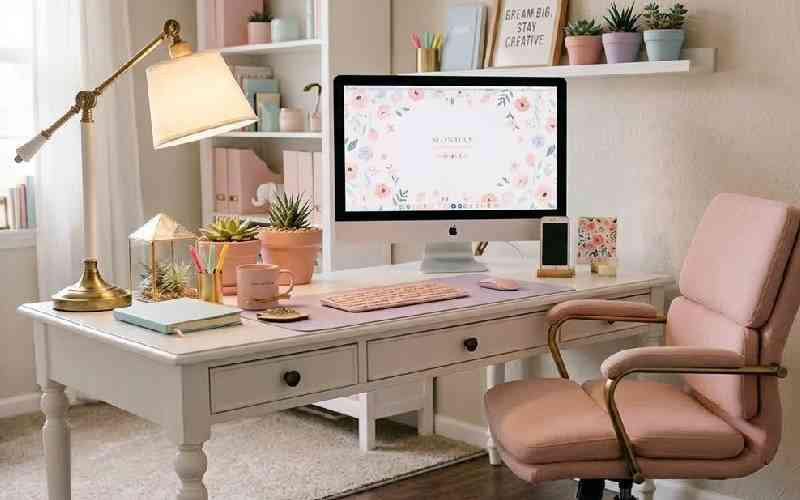
Thinking of becoming a plant parent? Here's how to start right (Photo: Gemini)
A thriving houseplant can do more than brighten a room; it can lift your mood, teach patience and even help you slow down in a fast-paced world. That's the philosophy behind plant therapy, a growing wellness practice that uses nature and gardening to support emotional wellbeing.
For Kenyan plant therapist Emily K. Millern, the journey began with a few houseplants and a lifelong passion for gardening. Today, she is helping others discover the joy of plant parenting and sharing simple ways to build a greener, healthier home.
Emily K. Millern, a Kenyan plant lead therapist and founder of Emily Blooms, a plant shop, has a lifelong love for gardening that blossomed into a business and a therapeutic practice.
Growing up on a farm, she developed an early interest in plants and gardening. In 2021, after moving into her own home, she cultivated a collection of houseplants bought from a local nursery.
“I became friends with the people who worked there and spent a lot of time around plants. After a while, I kept bringing more plants home," she says.
The collection grew until a random conversation with friends last year, who told her that whenever they thought about plants, she was the first person who came to mind. Encouraged by their observations, Millern decided to turn her passion into a business.
Starting with about 30 plants from her personal collection, she repotted them and launched an online plant shop.
- How worried should I be about my child lying?
- When the back-to-school glow fades and real life begins
- Small habits that quietly shape a child's character
- Why raising independent children is not enough
Keep Reading
Around the same time, a psychologist friend invited her to join a wellness space as a plant lead therapist and introduced her to the field of plant therapy.
Emily explains that plant therapy uses plants, gardening and nature-based activities to support physical and emotional wellbeing. Activities include arranging flowers, potting plants, spending time in gardens, and engaging in mindful observation of nature.
"The experience of being around plants gives people a sense of calm. I work with students and guide them through these activities like potting plants, which can be relaxing and therapeutic," she says.
She believes plants can positively influence people's lives by fostering responsibility, improving living spaces and boosting mood.
She offers tips on how you can start your plant parenting journey.
Make sure you’re ready
To start plant parenting, she recommends first asking yourself whether you are able to consistently care for plants. Beginners, she advises, should start with low-maintenance species such as snake plants, pothos (also called money plants) and spider plants because they tolerate low light and need minimal watering.
Snake plants can survive for weeks without water; therefore, they are ideal for busy people and frequent travellers.
Plants with higher care demands, such as peace lilies, are not suitable for those who are away from home because they need more frequent watering.
Before bringing home a plant, she advises ensuring that basic conditions are in place, including access to adequate light, water and consistent care.
Know plant-care essentials
Emily observes that different plants have different watering needs, and one of the mistakes new plant parents make is overwatering.
“Plants are more likely to die from overwatering than under-watering. Signs of overwatering are brown leaf patches and root rotting, while under-watering are dry leaf tips and stagnant growth,” she says.
Succulents, for example, should only be watered when the soil is completely dry, while other indoor plants require watering once or twice a week.
Light is also important, and most indoor plants thrive in bright, indirect morning light and can suffer leaf scorch when exposed to direct sunlight. Peace lilies are sensitive to harsh sunlight.
Monitoring growth is another way to gauge plant health. Healthy plants regularly produce new leaves, while unhealthy ones may droop, dry out or turn brown.
“Just because your plant is alive does not mean it is happy. Some plants can tolerate low light but are not thriving,” she says.
Repotting may become necessary when a plant outgrows its container, develops excessive roots or experiences root rot caused by overwatering.
Choosing the right plant
Emily says that selecting the right plans depends on the conditions of the home and your ability to provide care. Some plants thrive on little care, like snake plants, jade, succulent plants, and cactus.
"The most important thing is understanding a plant's requirements. Every plant is different. The more you understand what it needs, the better your experience will be," she notes.
Different plants have different benefits. Spider plants help trap dust indoors, while herbs such as rosemary and sage can be used for culinary or traditional wellness purposes. Money plants are said to bring good fortune and abundance.
Create a plant-friendly home
Plants can be placed almost anywhere in the home, including floors, windowsills, tables, counters and hanging shelves.
Emily says that indoor plants can increase productivity when placed on desks and workspaces.
For people living in smaller homes or apartments, she recommends maximising vertical space through hanging planters and placing them on shelves.
Build a care routine
She recommends a simple weekly routine of setting aside one day each week to water plants and clean pots. Indoor plants can also benefit from occasional morning sunlight between 7 a.m. and 10 a.m.
She says that morning and evening are generally the best times to water because temperatures are cooler and sunlight is less intense.
Consistency, she says, comes from enjoying the process.
"When people enjoy caring for plants, it becomes part of their routine. Sometimes I even talk and sing to my plants, and they respond by shaking their leaves,” she says cheerfully.
Basic tools for plant caring are watering cans, spray bottles for humidity-loving plants such as peace lilies, nursery pots and decorative containers.
Learn how to handle plant challenges
She highlights that one of the biggest challenges for beginners is knowing if a plant needs more water, less water, lighter, or a different environment when it starts to decline.
“Many plants can recover when problems are identified early. Repotting if it has root rot, improving drainage or moving a plant to a more suitable location can restore its health,” she advises.
Plant parenting is more than a hobby
“Make it fun. Plant parenting is not a chore,” she says.
She views plant parenting more than its aesthetic value. She explains that it teaches responsibility, beautifies spaces, creates opportunities for bonding, and provides companionship.
Living with plants also encourages people to be more mindful of their surroundings, like opening windows for fresh air and paying closer attention to their daily routines.
She has observed a growing enthusiasm for plant parenting in homes, hotels, hospitals and other public spaces.
"People have become more open to it. Plant care wasn't always popular, but today people are more mindful and interested in learning," she says.













 join
join