
 The Standard Group Plc is a multi-media organization with investments in media
platforms spanning newspaper print
operations, television, radio broadcasting, digital and online services. The
Standard Group is recognized as a
leading multi-media house in Kenya with a key influence in matters of national
and international interest.
The Standard Group Plc is a multi-media organization with investments in media
platforms spanning newspaper print
operations, television, radio broadcasting, digital and online services. The
Standard Group is recognized as a
leading multi-media house in Kenya with a key influence in matters of national
and international interest.


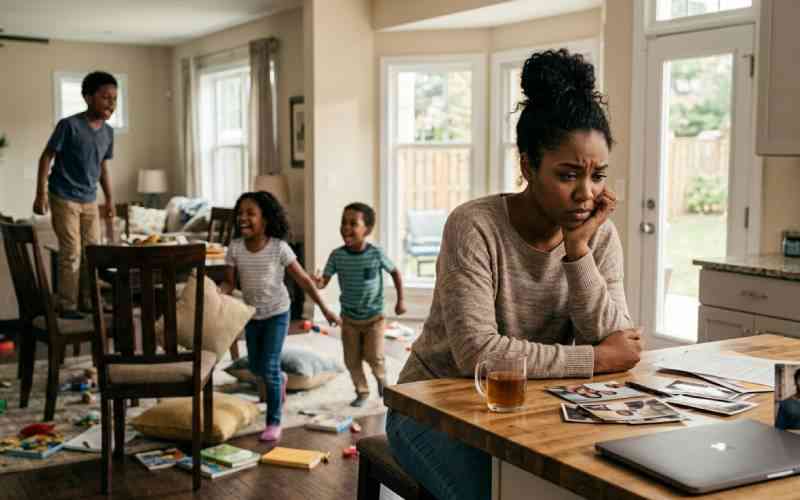
There was a time when parenting was not so complicated, when parents could choose when to begin certain conversations. Difficult topics could be delayed or introduced gently, on our terms, in our language. That time is gone.
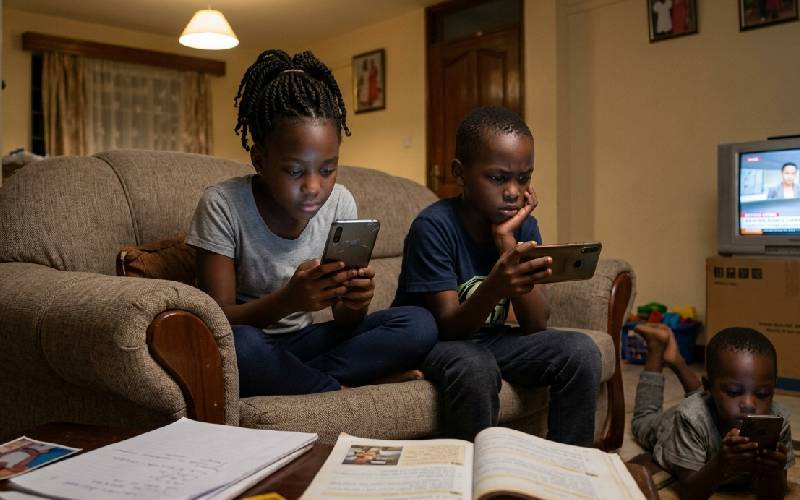
Today, children encounter the world unfiltered and often before parents are ready to explain it. They hear things not yet discussed at home, notice differences not yet named, and form questions long before adults have answers.
These questions rarely arrive at convenient moments. They come in passing—in public spaces, and in conversations not meant for them.
Parenting is no longer about when to start, but how to respond, because children are already listening before adults begin to guide them.
“Children hear a lot in matatus, markets and other public spaces—jokes and casual remarks about tribe, skin tone, accent, or origin,” says Catherine Mugendi, a youth cheerleader.
She says children absorb this in laughter and sometimes silence.
In a supermarket, Lydia Ogega recalls her son tugging her sleeve mid-aisle.
“Mum, why is that man so dark?”
- Ways parents can help children set New Year resolutions
- How to parent purposefully this year
- Why structure is your child's greatest security
- Art of parenting highly sensitive children
Keep Reading
For a moment, she says, three realities collided: her child’s innocence, a stranger’s awareness, and her unpreparedness.
So she lowered her voice and rushed him along, telling him never to say that again.
Psychologist Geoffrey Otieno says the moment passes, but the question does not.
“It stays, shaping what children learn about difference and which questions are allowed,” he says.
At playgrounds, he adds, exclusion often appears quietly through tone, language, and who is left out.
To explain the challenges of today’s parenting, the expert paints another picture brought to his attention, at a shared playground between apartment blocks, where children were engrossed in negotiating teams.
“You can’t be on our side,” said 15-year-old Brian Mutinda.
“Why?” Asked, 14-year-old Tina Muriuki.
“Because you’re not from here,” retorted Brian,
This, says Otieno, was said lightly, almost playfully.
“Exclusion rarely arrives loudly. It settles in quietly, through tone, language, and through who gets included and who is left to step back,” he explains.
He says the mother to Tina watched the drama from a balcony, and almost dismissed it because “it sounded like normal play, but then I saw my daughter hesitate, I knew something had shifted”.
She reports she was shocked enough to ask for help from the expert when, later that evening, Tina confronted her: “Mum, where am I from?”
“These moments do not always announce themselves, but they slip through everyday life, small, fleeting, easy to overlook, but they matter, because this is often how children first encounter difference, not as diversity to be understood, but as division to be navigated,” explains the psychologist.
“These moments are fleeting but important—they shape how children first understand difference,” he explains.
Prof Wambua notes that children are already observing who is included, who is laughed at, and who is left out.
For Mugendi, such moments demand presence more than perfect answers.
“We need to listen before correcting, understand before explaining, and sometimes admit we are still learning,” she says.
Otieno warns that silence does not stop children from noticing; it leaves them to fill the gaps themselves through peers, media, and unchallenged narratives.
Silence, he says, leaves children alone with bias.









 join
join