
 The Standard Group Plc is a multi-media organization with investments in media
platforms spanning newspaper print
operations, television, radio broadcasting, digital and online services. The
Standard Group is recognized as a
leading multi-media house in Kenya with a key influence in matters of national
and international interest.
The Standard Group Plc is a multi-media organization with investments in media
platforms spanning newspaper print
operations, television, radio broadcasting, digital and online services. The
Standard Group is recognized as a
leading multi-media house in Kenya with a key influence in matters of national
and international interest.


What happens when a parent walks away, and children are grown? On social media, proud posts, graduation photos, birthday tributes, and throwbacks earn applause and heart emojis.
But off-screen, some children carry a quieter story.
Recently, musician and influencer Esther Akothee posted an open letter to a former partner on his birthday. It wasn’t love or attack, but a boundary: calling out the gap between public praise and private absence. She questioned celebrating milestones online while failing to support children offline, writing sharply, “Access without responsibility is just a shadow. And shadows do not raise children.”
Her post reignited a conversation many Kenyan families whisper about the ache of parents who show up in photos but not in practice. It was about presence, not fame.
The performance era of parenting
According to Prof Rebecca Wambua, an educationist, counsellor and author of parenting guides, we live in a time when parenting is visible. “Birthdays are posted, and results are shared, school visits documented, while tributes are crafted, because visibility has become proof”, says Prof Wambua.
But is visibility the same as presence?
Dr Jorum Otieno, a Nairobi-based psychologist, says social media has blurred a crucial boundary.
- Ways parents can help children set New Year resolutions
- How to parent purposefully this year
- Why structure is your child's greatest security
- Art of parenting highly sensitive children
Keep Reading
“Parenting has always been about consistency and emotional availability, but today, there’s an added pressure to appear involved. The danger is when performance replaces participation,” he explains.
He adds that performance is applause, while presence is effort, but in today’s parenting, performance is a public post, while presence is a private conversation after the cameras are off. And sometimes, he says, the two are not the same.
When children become adults
Prof. Wambua says a common myth is that parenting ends at eighteen, when children are assumed to be independent.
“But adulthood doesn’t erase longing,” she explains. Adult children still need acknowledgement, encouragement, and reliability, even if not financial support.
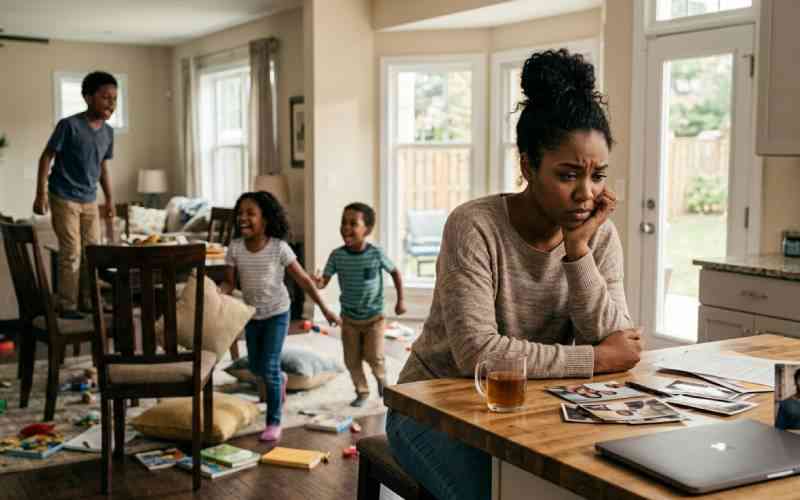
When parents withdraw, children face a complicated space, expected to accept distance, new marriages, and silence. Subtle absences, like delayed calls or public praise without private support, accumulate and hurt over time.
Co-parenting beyond romance
Family and parenting experts say separation and blended families are increasingly common in Kenya. Love relationships end, marriages dissolve, and new ones begin.
But parenting does not end.
Lisa Wanjiro, a counsellor and family coach, says one of the unspoken tensions in many separated families is the shift from romantic partners to co-parents. This, she explains, is where romance fades, but responsibility remains.
“When adults detach emotionally from each other, some unconsciously detach from the co-parenting role as well. However, children, even adult children, experience that as abandonment,” she says.
Wanjiro explains that co-parenting is not about liking each other. It is about consistency, about showing up even when the emotional climate has changed, and about resisting the temptation to perform involvement instead of practising it, because children, whether 7 or 27, can tell the difference.
The currency of effort
Many parents focus on tangible contributions: school fees, rent and trips.
Dr Otieno points out that emotional labour, checking in and listening without defensiveness is equally vital. “Financial support without emotional presence creates imbalance,” he says. Gratitude, respect, and love can coexist with distance, resentment, or disappointment. Yet in cultures where questioning parents is seen as disrespect, adult children often stay silent.
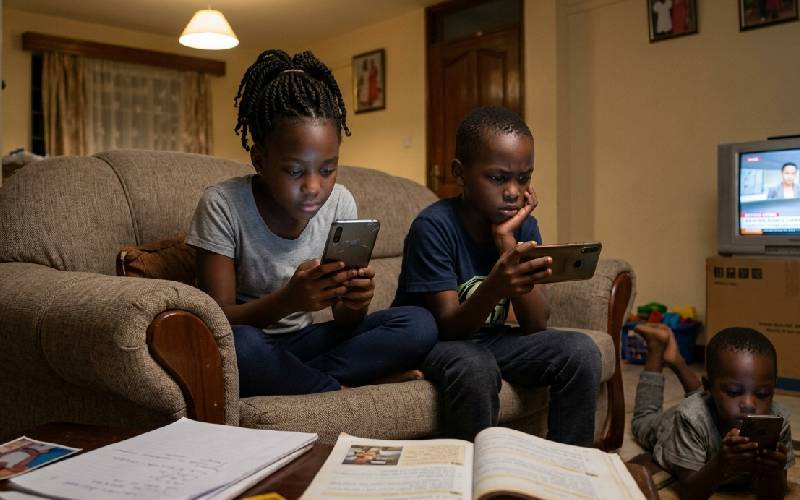
Social media amplifies the problem. Richard Waigwa explains that platforms reward spectacle, birthday posts or tributes, while quiet acts of care go unnoticed. Children notice consistency and presence, not likes. When parents are visible online but absent offline, it creates dissonance, leaving young adults questioning whether they are loved or just displayed, shaping their own relationships.
Redefining presence
What does presence look like, especially when children are adults?
“It looks like: showing up consistently, not occasionally, responding to messages, calling without an agenda, admitting mistakes, respecting boundaries without disappearing,” says Prof Wambua.
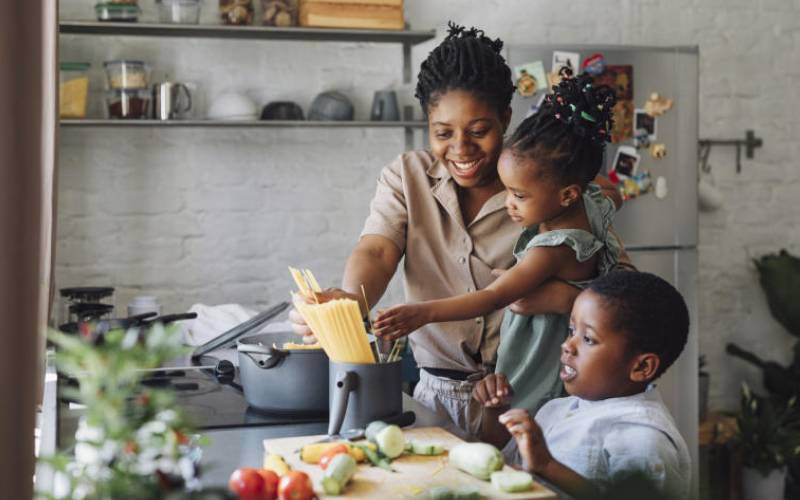
Presence, she says, isn’t dramatic or trendy; it’s steady and enduring. Adult parenting shifts from authority to connection, which can’t be outsourced to captions.
A quiet invitation
The recent viral exchange may fade, but the question remains: what does it mean to truly show up as a parent?
Parenting grown children is often invisible, no report cards, just relationships that need effort, honesty, and consistency.
Prof. Wambua urges parents to ask: “Have I listened? Been consistent? Chosen effort over image?”
Children need presence, not perfection. The strongest parenting is often quiet, direct, and backed by action.











 join
join