
 The Standard Group Plc is a multi-media organization with investments in media
platforms spanning newspaper print
operations, television, radio broadcasting, digital and online services. The
Standard Group is recognized as a
leading multi-media house in Kenya with a key influence in matters of national
and international interest.
The Standard Group Plc is a multi-media organization with investments in media
platforms spanning newspaper print
operations, television, radio broadcasting, digital and online services. The
Standard Group is recognized as a
leading multi-media house in Kenya with a key influence in matters of national
and international interest.

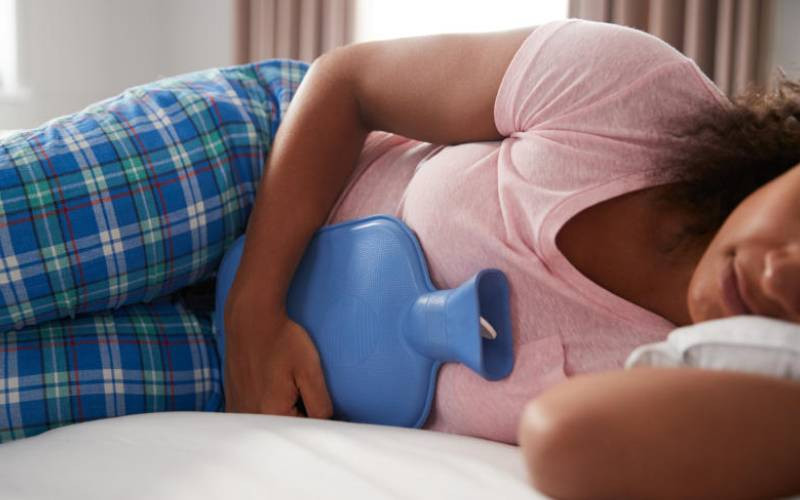
Fibroids, medically known as leiomyomas, are non-cancerous growths in the uterus. According to Dr Stephen Ngumbi, they are very common among women in their 20s to 40s, yet many remain undiagnosed. “Some women have fibroids and don’t even know it,” he explains. “Others notice symptoms but assume it’s just normal menstrual pain.”
Symptoms can range from heavy or prolonged periods, painful menstruation, pelvic pressure, bloating and pain during sex, to fertility challenges. The exact cause of fibroids is unknown, although risk factors include family history, hormonal imbalance, obesity and early menstruation, all of which may increase prevalence.
Fibroids are usually detected through pelvic examinations, ultrasounds or MRI scans, and treatment depends on size, location, symptoms and reproductive plans. “Not all fibroids need treatment,” Dr Ngumbi says.
“Some shrink on their own. Others improve with medication or hormone therapy. Surgery is only suggested when symptoms are severe. And surgery doesn’t automatically mean your uterus is removed, that’s a myth,” he adds.
In July 2025, Oscar-winning actress Lupita Nyong’o revealed on Instagram that she had multiple growths.
“I asked my doctor if there was anything I could do to prevent them from recurring,” she wrote.
Her doctor replied, “You can’t.It’s only a matter of time until they grow again.”
In 2024, singer Ninah Mpendwa of Wapendwa Muziki also spoke about her diagnosis, saying, “Just hearing that there was something that could hinder me from getting pregnant was devastating.”
- Ways parents can help children set New Year resolutions
- How to parent purposefully this year
- Why structure is your child's greatest security
- Art of parenting highly sensitive children
Keep Reading
For Joycemary Kallaghe, the diagnosis came as a sudden, jarring interruption to her twenties. What she initially thought was a normal period turned out to be her first experience of fibroids.
“I first learnt I had fibroids in 2022 after excruciating pain that radiated across my abdomen. At the time, the doctor reassured me it was completely normal, and even the sonographer mentioned she had one too,” Joycemary recalls. “I’m sure they were trying to be kind, but looking back, I know it’s not something that should just be accepted as normal.”
For Joycemary, the first fibroid was manageable. “I was using painkillers and asked the doctor if I would be able to have children. She said yes. Everything seemed fine.” But a year later, things changed dramatically. She developed severe abdominal and back pain, along with unusual weight gain around her stomach, clear signs that something was wrong.
“When I went to a different doctor, we discovered three fibroids, with the largest measuring 5cm. I was suddenly in the ‘red zone’, and at that point my husband and I were ready to start a family,” she explains. Pregnancy brought its own challenges. She learnt that fibroids can grow alongside the baby and sometimes compete for space and resources. At 10 weeks, Joycemary began bleeding heavily and was diagnosed with a threatened abortion.
“I prayed, named my baby ‘Winner’, and stayed in bed rest while receiving progesterone and constant medical care. It was the hardest nine months of my life, but Winner was born alive and healthy at 37 weeks,” she recalls.
The challenges did not end after delivery. Just seven days postpartum, Joycemary developed high blood pressure caused by the fibroids’ reaction to hormonal changes. “I nearly lost my life that day. A few more minutes without intervention, and I honestly don’t know what would have happened,” she says.
Dr Ngumbi advises women aged between 25 and 49 to attend regular check-ups, as early detection can change everything. He adds that lifestyle choices can help reduce risk. “Maintaining a healthy weight, staying physically active, eating a balanced diet rich in fruits, vegetables and whole grains, limiting red meat and processed foods, avoiding smoking, and seeking medical guidance before using hormone-based medication are important,” he says.
“Anything unusual, very painful periods, heavy bleeding or pain during sex should prompt a visit to a gynaecologist. For pregnant women, early prenatal care is essential, as some fibroids can grow and complicate pregnancy.”












 join
join