
 The Standard Group Plc is a multi-media organization with investments in media
platforms spanning newspaper print
operations, television, radio broadcasting, digital and online services. The
Standard Group is recognized as a
leading multi-media house in Kenya with a key influence in matters of national
and international interest.
The Standard Group Plc is a multi-media organization with investments in media
platforms spanning newspaper print
operations, television, radio broadcasting, digital and online services. The
Standard Group is recognized as a
leading multi-media house in Kenya with a key influence in matters of national
and international interest.

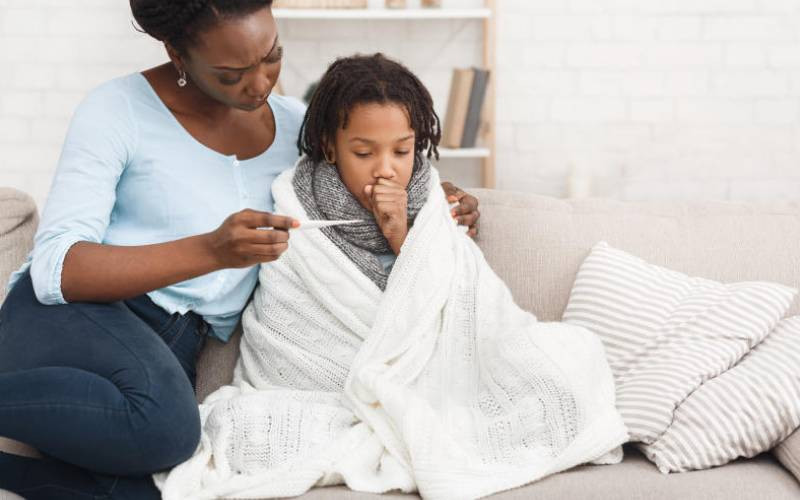
A typical household is likely to have small children at some point. And the children will inevitably end up interacting with lots of other children in playgroups, kindergartens and eventually in schools and colleges. Large gatherings of young children tend to be a reservoir for a multitude of bugs, with the inevitable consequential spread to others, including household members.
The suspicion that kids spread most respiratory bugs has recently been amplified by a recent study. Researchers followed more than 800 students in large public schools, aiming to track the presence of viruses and the frequency of illnesses over time. More than 85 per cent of the participants had at least one virus detected, and over 80 per cent experienced at least one episode of acute respiratory illness. Young children were the most affected, many testing positive even when they felt well.
A typical household with small children will inevitably be faced with respiratory infections multiple times a year. The same child may have recurrent symptoms as they go through cycles of catching different bugs from their school and playmates. Others in the household may catch the same bugs and end up similarly infected. This can disrupt both school and family routines, and drive up healthcare expenditure.
But why would children be catching and spreading viruses at such high rates? For starters, kids' habits make it easier for them to catch and spread bugs. They share many things, including toys and learning tools. They share close quarters, may not cover their noses and mouths when sneezing or coughing, and may not wash their hands frequently. Their developing immune systems aren't as robust either, leaving them vulnerable to newer bugs coming their way.
The way to guard against children-related infections is through consistent and simple preventive strategies. Small children must be taught about habits that enhance their hygiene. Teaching them how to wash their hands with soap and water, or use sanitisers, is simple and effective. They must be taught how to cover for coughs and sneezes. Crowded children's rooms should be well ventilated, and frequently touched surfaces must be disinfected constantly. If kids get sick, it's safer to keep them home to limit the spread of bugs to others. Recommended vaccines should never be forgotten.
Active prevention strategies will not eliminate all bugs that children will constantly be exposed to. Exposure to new bugs is part of a natural process and helps build immune responses. But prevention helps limit how often kids get ill, and how far they spread viruses both within households and to others.
Dr Murage is a consultant gynaecologist and fertility specialist.





 join
join