
 The Standard Group Plc is a multi-media organization with investments in media
platforms spanning newspaper print
operations, television, radio broadcasting, digital and online services. The
Standard Group is recognized as a
leading multi-media house in Kenya with a key influence in matters of national
and international interest.
The Standard Group Plc is a multi-media organization with investments in media
platforms spanning newspaper print
operations, television, radio broadcasting, digital and online services. The
Standard Group is recognized as a
leading multi-media house in Kenya with a key influence in matters of national
and international interest.


It is only polite to greet and check up on people you come across and this practice, learned, polite "How are you?" likewise receives the standard, automatic reply of "I’m fine".
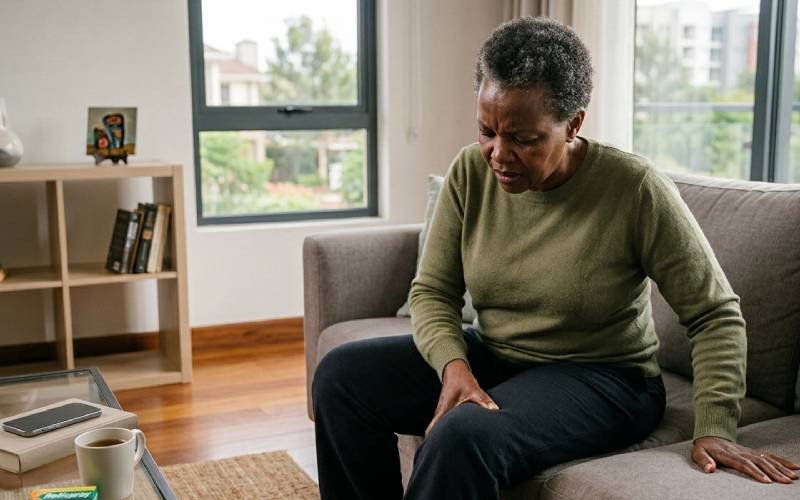
Minutes later, that same person sits, struggling to suppress a wave of exhaustion brought on by the combined pressures of a stagnant economy, a recent health diagnosis and the persistent, quiet grief of personal loss.
This dissonance, the battle between the performative "I am fine" and the true, internal reality of human struggle, is honestly the defining feature of our collective mental state today.
We live in a world where financial volatility, job insecurity and chronic illness are common. Yet, we operate under a social mandate that discourages admitting when these forces have become overwhelming. Add to that social media pressure where you dare not show up unwell, broke or sad because everyone is "winning" and so are you.
The question of whether we are truly "okay" is often misframed. In a modern context, being okay does not mean an absence of difficulty or the perpetual presence of happiness. But rather, it is the capacity to endure pain, loss, and disappointment while maintaining a stable connection to your own sense of purpose and resilience.
To ask if someone is truly okay, you must move past the superficial inquiry and genuinely mean it. It involves observing for shifts in behaviour like withdrawal from normal routines, a decrease in responsiveness or a noted change in disposition.
True assessment is less about the verbal answer they provide and more about recognising consistent patterns of distress that persist despite their attempt to maintain a facade of being fine.
When it comes to self-assessment on the other hand, it is equally complex but not hard to diagnose. You know you are ‘’not okay’’ when the weight of your current situation begins to interfere with basic functioning, like lack of sleep, appetite or the inability to experience fulfilment in previously enjoyed activities.
- How worried should I be about my child lying?
- When the back-to-school glow fades and real life begins
- Small habits that quietly shape a child's character
- Why raising independent children is not enough
Keep Reading
It is important to recognise that a healthy mental state is characterised by the ability to regulate your emotions after a setback, while a state of being ‘’not okay’’ is marked by a persistent sense of feeling trapped, where you feel unable to adapt to current circumstances.
What makes a person okay is the presence of an internal support structure like access to trusted relationships, the ability to practice self-compassion and the willingness to seek external help when the internal capacity is depleted.













 join
join