
 The Standard Group Plc is a multi-media organization with investments in media
platforms spanning newspaper print
operations, television, radio broadcasting, digital and online services. The
Standard Group is recognized as a
leading multi-media house in Kenya with a key influence in matters of national
and international interest.
The Standard Group Plc is a multi-media organization with investments in media
platforms spanning newspaper print
operations, television, radio broadcasting, digital and online services. The
Standard Group is recognized as a
leading multi-media house in Kenya with a key influence in matters of national
and international interest.

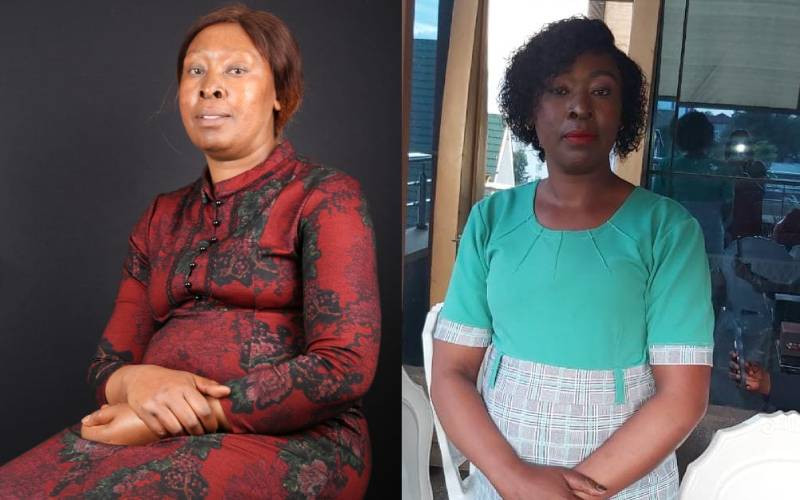
For 44-year-old Diana Mureithi, a mother of two from Nairobi County, this year's Breast Cancer Awareness Month is not just another campaign season; it is a celebration of survival, strength and resilience.
As she marks her third year living with breast cancer, Diana reflects on a journey filled with pain, stigma, financial struggle and moments of hope that have kept her going.
"This is my third year having this condition, and for sure, it has been years of ups and downs, but I'm surviving, and I'm proud of that," she says with quiet confidence.
"I was diagnosed with breast cancer in October 2022. It all began when I noticed that one side of my breast was going inward around the nipple. It wasn't itchy or painful, but I felt uneasy. A few days later, I started experiencing fatigue so intense that I could barely do anything."
Her instincts told her something was wrong. She sought treatment at a health facility in Nairobi, where she was examined and given medication, but the response she received didn't match her growing concern.
"I was told it wasn't a big deal and was given drugs. But the fatigue kept getting worse, and now the itching began. It became unbearable, so I went to another hospital for a proper checkup," Diana recalls.
After undergoing a mammogram and ultrasound, the results confirmed what she dreaded most: she had breast cancer. "That news broke me completely," she says. "I never imagined one day this would happen to me. I sat there speechless, wondering what would become of my children."
What followed was even more heartbreaking. When Diana shared the diagnosis with her family, she expected comfort and understanding. Instead, she was met with distance and rejection.
- Ways parents can help children set New Year resolutions
- How to parent purposefully this year
- Why structure is your child's greatest security
- Art of parenting highly sensitive children
Keep Reading
"I told my family everything, but instead of comforting me, some of them distanced themselves. My own husband walked out of my life after I told him about the diagnosis. He said that in their family, they have no history of such a disease and left me to fight this battle alone," she recalls painfully.
Since then, Diana has faced not only the disease but also the emotional wounds of abandonment and stigma. Yet, she chose not to let these experiences crush her spirit. "I told myself that if I have this condition, it's now my job to fight it. I refused to let it break me. People said I was cursed, but I know cancer is not a curse; it can happen to anyone."
The fight, however, has come with financial struggles. "I usually spend around Sh40,000 every three months on medication," she says. "I don't have a stable job. I do casual work that barely supports me. Most times, I get no help from family or friends. I've learned to survive alone."
Still, Diana remains grateful to be alive. "Despite all this, I'm happy to celebrate this month as a survivor," she says with a smile. "I want to tell other women that this is not a death sentence. You can live a normal life with it. Be strong, be optimistic, and never give up."
Dr Catherine Nyongesa, a clinical and radiation oncologist, says cancer is a group of diseases characterised by the uncontrolled growth of abnormal cells that can invade and destroy healthy tissues. "These abnormal cells can form tumours and spread to other parts of the body, interfering with vital body functions," she explains.
She says breast cancer does not have a single cause. "Several factors can contribute to its development," she says. "These include genetic mutations such as BRCA1 and BRCA2, hormonal factors like exposure to estrogen, family history, age, and lifestyle factors such as obesity and alcohol consumption."
Dr Nyongesa further explains that the signs and symptoms of breast cancer vary depending on the stage and type.
"Common signs include lumps or swelling in the breast, persistent fatigue, unexplained weight loss, changes in the nipple or skin, and abnormal bleeding, " she says. "Early detection remains the most important step toward successful treatment."
Beyond the medical challenges, stigma remains one of the toughest hurdles for many cancer patients. Dr Nyongesa observes that myths and misconceptions continue to affect how society treats those with the condition. "Some people still believe cancer is contagious or a punishment, and that leads to isolation," she says.
Her advice to patients is to focus on their health and not let stigma dictate their lives. "Communities must support cancer patients with empathy and understanding. We should promote education and awareness so that patients feel encouraged to seek treatment early," she emphasises.
Diana knows this struggle all too well. "I've faced so much stigma," she says. "Some people don't want to sit near me. Others whisper when I pass. But I've learned to ignore them. I'm focused on living, not on pleasing people. I believe one day things will get better."
Dr Nyongesa explains that weight loss is common among cancer patients. "Cancer itself affects the body's metabolism, and treatments such as chemotherapy and radiation can cause nausea, vomiting, and changes in taste, leading to loss of appetite," she notes.
Another common side effect is hair loss. "Chemotherapy targets rapidly growing cells, and since hair follicles are among the fastest-growing in the body, they are affected. That's why many patients lose hair during treatment," she says. "However, this is temporary, and hair often grows back after treatment."
A balanced diet is essential for people living with cancer and those undergoing treatment. "Good nutrition helps manage symptoms, maintain energy, and support recovery," Dr Nyongesa says. "Locally available foods can play a big role."
She recommends high-protein foods such as chicken, fish, eggs, beans, ndengu (green grams), and omena, which help repair body tissues.
She also encourages the inclusion of fresh fruits and vegetables, indigenous greens like sukuma wiki (kale), managu (African nightshade), terere (amaranth), spinach, carrots, bananas, pawpaw and guavas, which are rich in vitamins and antioxidants.
Other energy-rich foods, such as ugali made from whole maize flour, githeri (a mixture of maize and beans), and brown rice, provide lasting strength and aid digestion. "Healthy fats from avocados, groundnuts, and locally available nuts and seeds are also very important," she adds.
Hydration, too, is vital. "Drinking plenty of water, porridge (uji), and soup made from vegetables or lean meats helps maintain hydration. For patients struggling with nausea or poor appetite, small, frequent meals and easy-to-digest foods like sweet potatoes and arrowroots are ideal," she advises.





 join
join