
 The Standard Group Plc is a multi-media organization with investments in media
platforms spanning newspaper print
operations, television, radio broadcasting, digital and online services. The
Standard Group is recognized as a
leading multi-media house in Kenya with a key influence in matters of national
and international interest.
The Standard Group Plc is a multi-media organization with investments in media
platforms spanning newspaper print
operations, television, radio broadcasting, digital and online services. The
Standard Group is recognized as a
leading multi-media house in Kenya with a key influence in matters of national
and international interest.

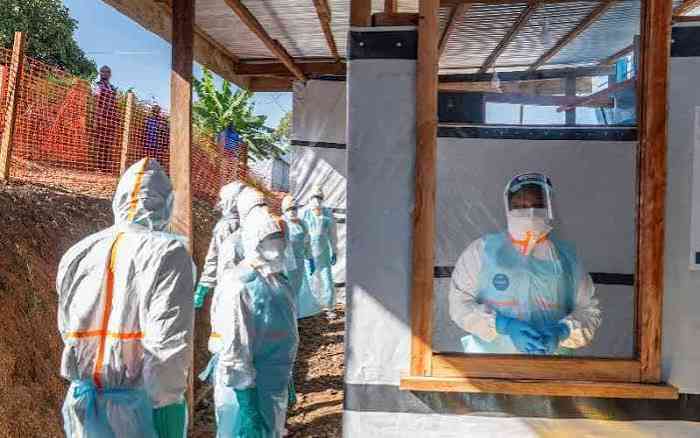
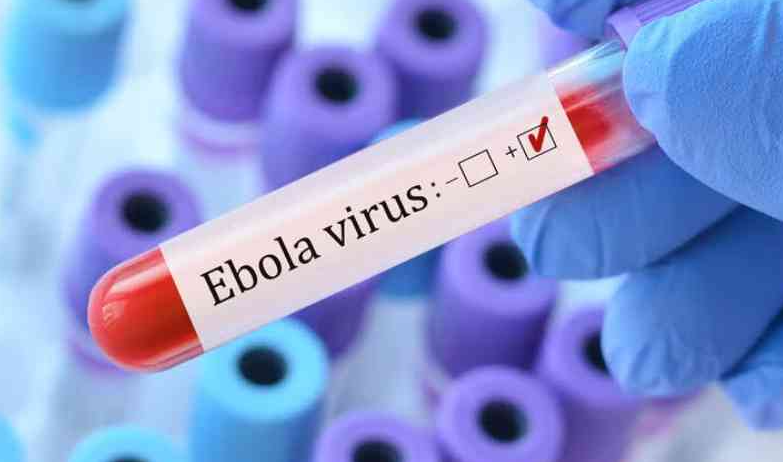
Seventy-seven weeks after the first infections were detected in eastern Democratic Republic of Congo, the world's largest outbreak of the Bundibugyo strain of Ebola has crossed another grim milestone, becoming the second-largest Ebola outbreak ever recorded.The outbreak has now reached 3,626 confirmed cases, surpassing the 3,481 cases recorded during the 2018-2020 Ebola outbreak in eastern DRC, which was caused by the more common Zaire strain. Only the devastating 2014-2016 West African epidemic remains larger, having infected more than 28,000 people across Guinea, Liberia and Sierra Leone.The latest milestone marks a dramatic shift from just a few weeks ago when the Bundibugyo outbreak ranked as the third-largest Ebola outbreak in history. Its continued growth has now pushed it into second place, underscoring the unprecedented scale of an epidemic caused by a virus species that, until now, had only triggered relatively small outbreaks.
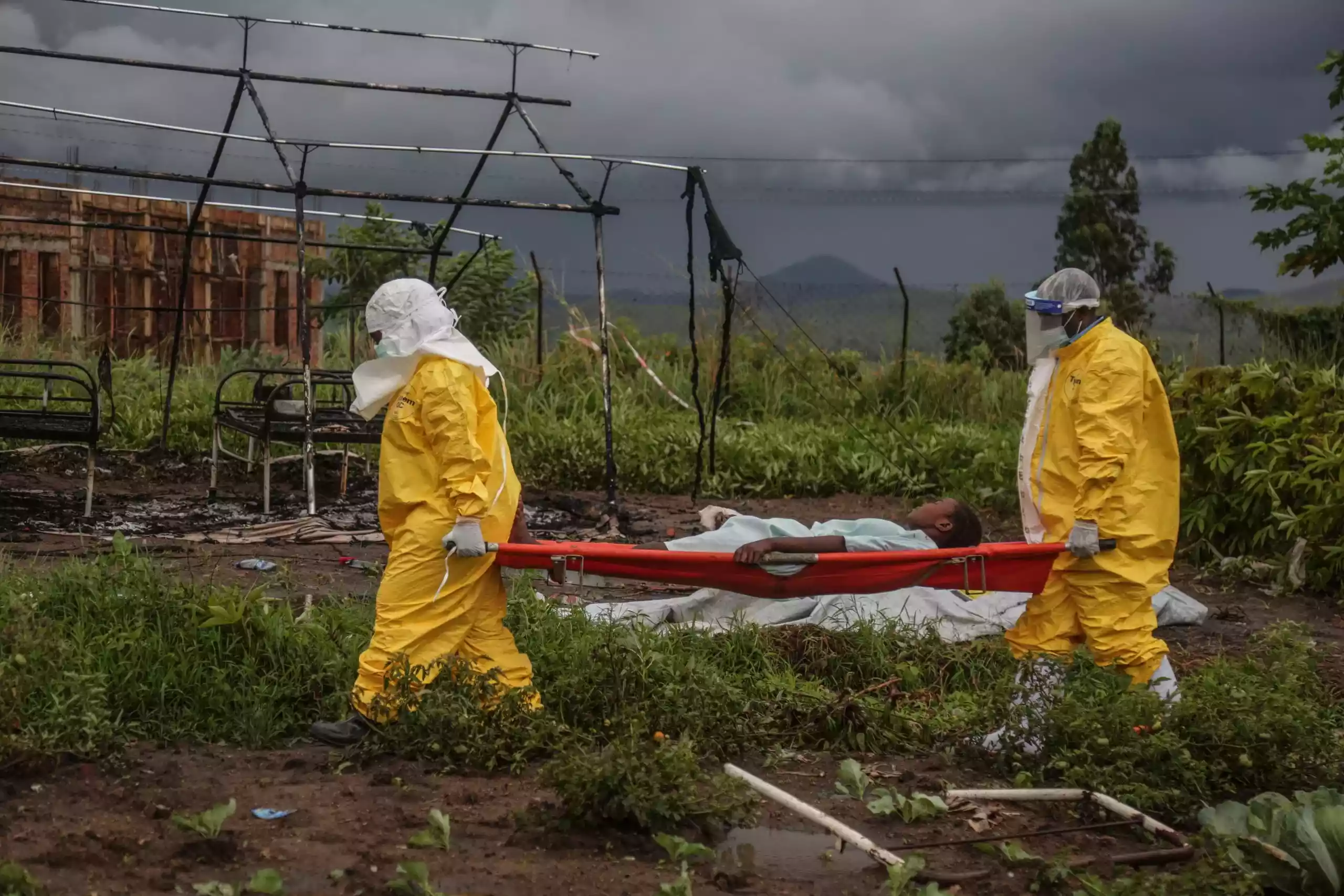
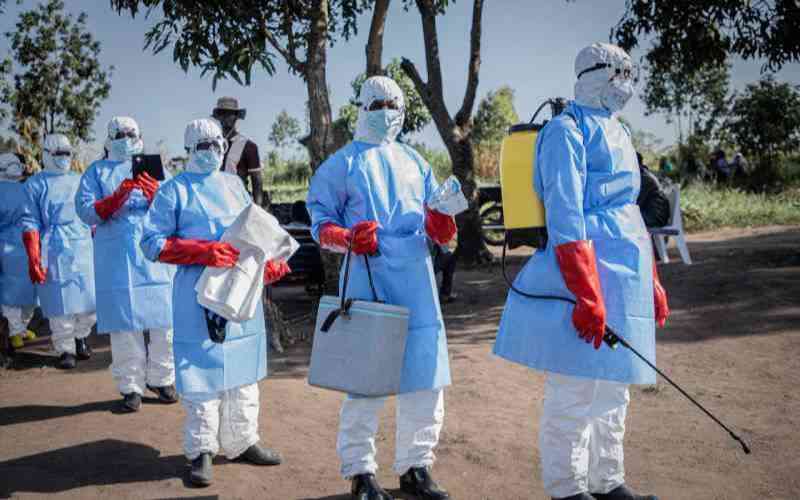
Unlike the 2018-2020 epidemic, which was fought using a licensed Ebola vaccine and targeted ring vaccination campaigns, health workers responding to the current outbreak have had to battle the virus without an approved vaccine specifically designed for the Bundibugyo strain. Instead, response efforts have depended on intensive surveillance, contact tracing, rapid isolation of patients, infection prevention measures and safe burials while researchers race to test experimental vaccines.Although the Bundibugyo virus was first identified in western Uganda in 2007, previous outbreaks were limited in size. The current epidemic has rewritten the history of the disease, becoming by far the largest outbreak ever associated with the strain and exposing significant gaps in global preparedness for less common Ebola viruses.The outbreak has remained largely concentrated in eastern DRC, with Ituri Province continuing to account for the highest number of infections. However, transmission has spread into several neighbouring provinces as insecurity, displacement and attacks on health workers continue to hamper response operations.Health officials have repeatedly warned that the official case count may underestimate the true scale of the epidemic because some infections and deaths continue to occur outside the formal health system, making laboratory confirmation difficult.The prolonged outbreak has also heightened concern across East Africa. While Uganda successfully contained imported cases linked to the epidemic and declared its outbreak over after completing 42 days without a new infection, neighbouring countries including Kenya and South Sudan remain on heightened alert because of frequent cross-border movement.Scientists are currently evaluating experimental vaccines and treatments against the Bundibugyo strain, but none has yet been licensed for widespread use. Until effective medical countermeasures become available, public health experts say containing the outbreak will continue to rely on rapid detection of cases, aggressive contact tracing and sustained community engagement.As the epidemic enters its 77th week, health authorities warn that maintaining international funding and operational support will be essential to prevent further spread and bring one of the longest and largest Ebola outbreaks in history under control.








 join
join