
 The Standard Group Plc is a multi-media organization with investments in media
platforms spanning newspaper print
operations, television, radio broadcasting, digital and online services. The
Standard Group is recognized as a
leading multi-media house in Kenya with a key influence in matters of national
and international interest.
The Standard Group Plc is a multi-media organization with investments in media
platforms spanning newspaper print
operations, television, radio broadcasting, digital and online services. The
Standard Group is recognized as a
leading multi-media house in Kenya with a key influence in matters of national
and international interest.

Garissa and Wajir record 1,678 dengue fever cases
The Ministry of Health says it has recorded 1,583 cumulative reported dengue cases in Garissa County, with five suspected deaths reported as of August 26, 2026.
Four of the suspected deaths were reported in Garissa Township, while one was recorded in Hagadera.
Wajir County has recorded 95 laboratory-confirmed cases, bringing the total number of reported dengue cases in the two counties to 1,678.
According to the Ministry of Health, the cases in Garissa are distributed across Dadaab, which has recorded 1,276 cases, followed by Garissa Township with 251 cases and Fafi with 56 cases.
In Wajir, Wajir East accounts for 85 cases, representing 89.5 per cent of the confirmed cases.
The remaining 10 cases are distributed across Eldas, Wajir West, Wajir North, Wajir South, Tarbaj and Khorof Harar.
Children and adolescents aged between six months and 15 years account for 46 of Wajir’s confirmed cases, representing 48.4 per cent.
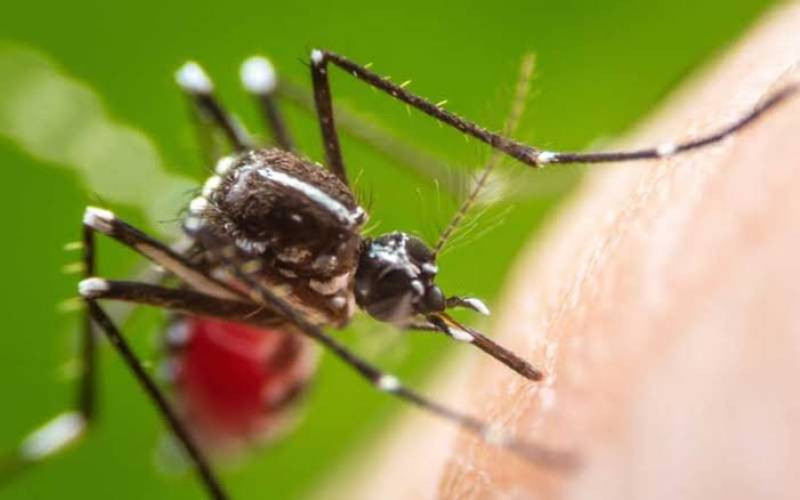
Dengue is mainly transmitted through infected Aedes mosquitoes, which commonly bite during the day and breed in small collections of stagnant water.
The Ministry says no new cases have been reported since the latest county update, but warned that continued surveillance remains important.
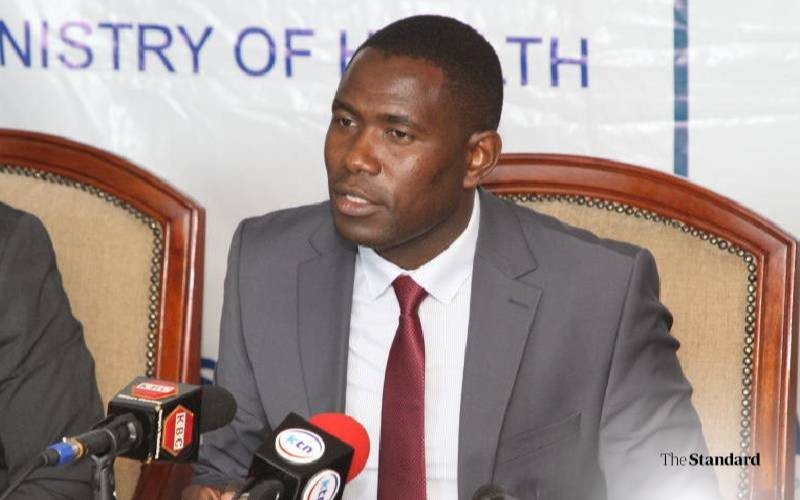
“Although no new cases have been reported since the latest county updates, sustained surveillance remains essential before interruption of transmission can be verified,” the Ministry said in a statement.
As part of measures to curb the spread of the disease, members of the public have been advised to empty, scrub and tightly cover water-storage containers at least once a week.
They have also been urged to dispose of bottles, tins, tyres and other items that can collect water, as well as clear blocked drainage systems.
The Ministry further advised residents to use mosquito repellents, wear long clothing and use window and door screens, especially during the day, while taking extra measures to protect children from mosquito bites.
Members of the public have also been urged to seek medical care promptly if they develop symptoms such as fever, severe headache, pain behind the eyes, muscle or joint pain, nausea, vomiting or a rash.
Those experiencing severe abdominal pain, persistent vomiting, bleeding, breathing difficulties, extreme weakness, restlessness or rapid deterioration have been advised to seek urgent medical attention.
The Ministry has also advised patients to use paracetamol for fever as directed by health professionals and avoid aspirin or ibuprofen, which may increase the risk of bleeding.
The Ministry says it is closely monitoring dengue fever in in the two counties and has strengthened national and county-level measures to contain transmission and protect affected communities.
Among the measures taken is the full activation of the Public Health Emergency Operations Centre, supported by continued coordination meetings at county and sub-county levels.
The Ministry has also enhanced surveillance, active screening, investigation and prompt reporting of suspected cases, with health facilities in affected areas placed on high alert.
Dengue samples from suspected cases are being referred to the national reference laboratory for confirmation, alongside investigations and classification of severe cases and suspected deaths.
The Ministry has also strengthened case management and infection prevention and control measures in affected health facilities.
Risk communication and community engagement have also been stepped up, with a focus on eliminating mosquito breeding sites, preventing daytime mosquito bites and encouraging early healthcare seeking.








 join
join