
 The Standard Group Plc is a multi-media organization with investments in media
platforms spanning newspaper print
operations, television, radio broadcasting, digital and online services. The
Standard Group is recognized as a
leading multi-media house in Kenya with a key influence in matters of national
and international interest.
The Standard Group Plc is a multi-media organization with investments in media
platforms spanning newspaper print
operations, television, radio broadcasting, digital and online services. The
Standard Group is recognized as a
leading multi-media house in Kenya with a key influence in matters of national
and international interest.

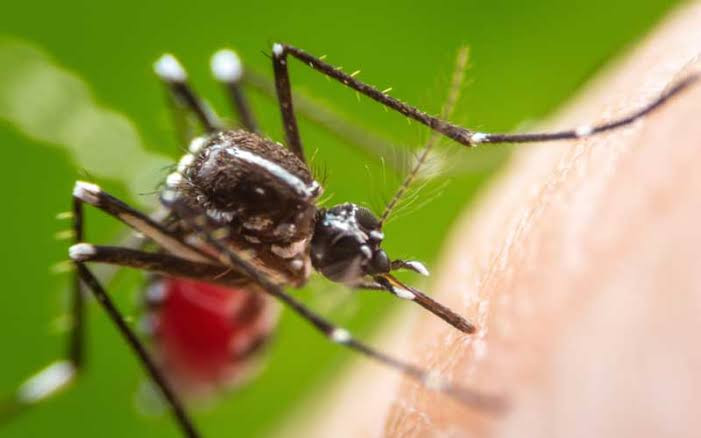
Kenya records an average of 16,675 dengue cases annually, with the Coastal region remaining a major hotspot for transmission, Health Cabinet Secretary Aden Duale says.
According to Duale, the mosquitoes predominantly bite during the day and breed in stagnant water found around homes and other residential areas.
"Common breeding sites include water storage containers, tanks, drums, flower pots, discarded plastics, old tyres, clogged gutters, puddles and other water-holding receptacles," Duale said in a statement on Tuesday.
The CS said poor environmental sanitation, inadequate solid-waste management, irregular garbage collection and unsafe water storage practices were contributing to the spread of the mosquitoes and increasing the risk of dengue transmission.
Dengue is endemic in Kenya throughout the year, particularly in areas below 2,300 metres above sea level. Transmission intensifies during the rainy season, with surveillance data showing the highest number of cases between April and June.
"The Coastal region, particularly Mombasa, Kilifi and Kwale counties, remains a major transmission zone. However, recurrent outbreaks in Garissa and Mandera have also highlighted the growing vulnerability of arid and semi-arid areas," he added.
Between January and May 2026, Mombasa recorded the highest number of cases at 3,989, followed by Garissa with 2,274 cases, Mandera with 974, Lamu with 445 and Kilifi with 339 cases.
- Why the referral system is choking major hospitals as patients suffer
- Duale: Three suspected Ebola cases tested negative, surveillance upped
- WHO warns of rising Ebola threat as Kenya tightens response efforts
- Kenya preparedness amid global Ebola threat
Keep Reading
Duale said the rising number of cases required strengthened prevention, preparedness and response measures to contain transmission and prevent the disease from spreading to new areas.
Residents have also been advised to keep water storage containers covered, clean water containers and household water points regularly, unblock gutters and drains, and eliminate hidden sources of stagnant water.
Currently, the ministry is also mobilising communities in endemic areas to improve environmental sanitation while sensitising healthcare workers on early diagnosis, recognition of warning signs and appropriate case management.







 join
join