×

The Standard e-Paper
Fearless, Trusted News
 The Standard Group Plc is a
multi-media organization with investments in media platforms spanning newspaper
print operations, television, radio broadcasting, digital and online services. The
Standard Group is recognized as a leading multi-media house in Kenya with a key
influence in matters of national and international interest.

Audio By Vocalize
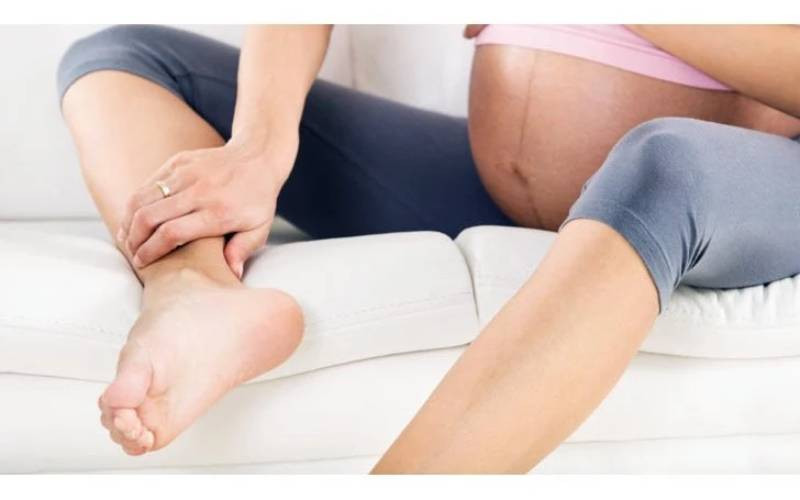
When Elsie Achieng was seven months pregnant with her fourth child, her legs began to swell. She had started antenatal care early in the pregnancy, but it was a visit to a pharmacy that revealed her blood pressure was high.
She was referred to Kisumu General Hospital and admitted. Four days later, an ultrasound confirmed that her baby had died in the womb.
It was not the first time Achieng had experienced a pregnancy loss. She had previously lost twins during her first pregnancy and another baby in her second. Her third pregnancy resulted in the birth of a healthy child after a specialist identified her hypertension and placed her on medication.
“In all, I have had four pregnancies with one child because of high blood pressure,” she said.
Her experience highlights the risks associated with high blood pressure during pregnancy, a group of conditions that can cause serious complications for both mothers and their babies.
Known as hypertensive disorders of pregnancy (HDP), these conditions include chronic hypertension, gestational hypertension, pre-eclampsia, eclampsia and pre-eclampsia that develops in women who already have chronic hypertension.
They are among the leading causes of maternal and newborn complications and deaths. A Ministry of Health policy brief estimates that hypertensive disorders account for 15 to 20 per cent of reported maternal deaths in Kenya, while pre-eclampsia alone affects an estimated 5.6 to 6.5 per cent of pregnancies.
Understanding the different conditions
Although the conditions fall under the same category, they are not interchangeable.
Chronic hypertension refers to high blood pressure that exists before pregnancy or is diagnosed before 20 weeks of pregnancy.
Gestational hypertension develops after 20 weeks in a woman who previously had normal blood pressure, without the proteinuria or other systemic features associated with pre-eclampsia.
Pre-eclampsia is a multisystem disorder that usually develops after 20 weeks of pregnancy. It involves new-onset high blood pressure and may affect organs such as the kidneys, liver and brain. It can also affect the placenta, which supplies oxygen and nutrients to the growing baby.
Protein in the urine is one possible sign, but it is not required in every case. Under Kenya's 2026 Basic Obstetric Protocols, pre-eclampsia can also be diagnosed where there is evidence of maternal organ dysfunction or other severe features.
Eclampsia is a serious complication in which a woman with pre-eclampsia develops seizures. The seizures can occur during pregnancy or after delivery and require emergency medical attention.
How do these conditions affect mothers and babies?
Stay informed. Subscribe to our newsletter
The danger of hypertensive disorders of pregnancy is that they can affect several vital organs and interfere with the functioning of the placenta.
In the mother, severe disease can cause kidney and liver injury, neurological complications, blood-clotting problems, stroke and seizures. A serious complication of pre-eclampsia is HELLP syndrome, which involves the breakdown of red blood cells, elevated liver enzymes and low platelet levels.
For the baby, problems with the placenta can restrict the supply of oxygen and nutrients. This may lead to poor growth in the womb, low birth weight, premature delivery or stillbirth.
The timing of the condition also matters.
A study conducted at Kenyatta National Hospital and cited in the Ministry's policy brief found that women with early-onset pre-eclampsia had poorer outcomes than those who developed the condition later in pregnancy.
Early-onset disease was associated with about five times higher odds of stillbirth and eight times higher odds of neonatal death. The women also had about six times higher odds of remaining in hospital for more than seven days.
The risks may extend beyond childbirth. Women with a history of pre-eclampsia have an increased risk of developing chronic hypertension and cardiovascular disease later in life.
One of the challenges in managing hypertensive disorders of pregnancy is that high blood pressure may develop without obvious symptoms.
Some women with pre-eclampsia may not feel unwell, even when the condition is becoming serious. This makes routine antenatal checks particularly important.
When symptoms occur, warning signs can include persistent or severe headaches, blurred vision or seeing spots, pain in the upper abdomen, nausea and vomiting, and swelling of the face and hands.
Swelling of the ankles can also occur during normal pregnancy and, on its own, does not establish a diagnosis of pre-eclampsia. However, sudden or unusual swelling, particularly when accompanied by other warning signs, should be assessed by a healthcare professional.
The Ministry's policy brief notes that headaches and blurred vision may be mistaken for malaria or stress, while swollen ankles may be dismissed as a normal part of pregnancy. Such misconceptions can delay care-seeking.
A persistent headache, changes in vision, or upper abdominal pain during pregnancy should prompt urgent medical assessment. Women should not wait for several symptoms to appear before seeking help.
The absence of symptoms, however, does not mean a woman is free from risk.
The simplest way to detect high blood pressure during pregnancy is through regular blood pressure measurement. The Ministry recommends that healthcare workers assess a woman's risk of pre-eclampsia at her first antenatal care contact and measure her blood pressure at every subsequent visit.
Urine testing can help identify proteinuria, while blood tests and other clinical assessments may be used to check whether organs such as the kidneys and liver are affected.
A single normal blood pressure reading does not rule out the possibility of developing a hypertensive disorder later in pregnancy. Repeated monitoring is therefore necessary.
Can these conditions be prevented and treated?
Not every case of a hypertensive disorder of pregnancy can be prevented. However, identifying women at increased risk early allows healthcare workers to offer appropriate preventive interventions and closer monitoring.
Risk factors for pre-eclampsia include a previous history of the condition, chronic hypertension, kidney disease, diabetes, multiple pregnancy, obesity and a family history of pre-eclampsia.
For women assessed as being at high risk, healthcare workers may recommend low-dose aspirin and calcium supplementation where indicated and in line with national guidelines. These interventions should be prescribed by a qualified healthcare provider following an assessment of the woman's risk.
Once hypertension or pre-eclampsia develops, treatment depends on the condition's severity, the mother's health and the stage of pregnancy.
Women may require medicines to control blood pressure, regular monitoring of their health and the baby's wellbeing, and hospital admission where necessary.
Magnesium sulphate is used to prevent seizures in women with severe pre-eclampsia and to manage eclampsia. It does not replace medicines used to control dangerously high blood pressure.
In some cases, doctors may recommend delivery when continuing the pregnancy poses a greater risk to the mother or baby. The timing and method depend on the clinical assessment and the stage of pregnancy.
Importantly, delivery does not mean a woman is immediately out of danger. Blood pressure can remain high or complications can develop after childbirth, making postpartum monitoring and follow-up essential.
Why are women still being missed in Kenya?
Despite the availability of national guidelines, the Ministry says implementation remains inconsistent.
About 66 per cent of pregnant women in Kenya attend at least four antenatal care visits. However, the policy brief notes that many women do not begin care early enough for timely risk assessment and preventive interventions.
Even among women who attend clinics, blood pressure measurement and urine protein testing are not always consistently conducted or documented.
The brief also identifies limited awareness of the conditions among communities and some healthcare workers, inadequate training and mentorship, inconsistent access to clinical guidelines and weaknesses in referral systems.
Women with severe hypertension or pre-eclampsia may need urgent specialised care. Delays in transport, communication between facilities and referral can therefore increase the risk of complications.
Preliminary, unpublished surveillance data from the Pregnancy Risk, Infant Surveillance and Measurement Alliance (PRISMA) in Western Kenya indicate that approximately one in 13 pregnant women experienced a hypertensive disorder of pregnancy. This is a finding from the study's surveillance population, not a national prevalence estimate.
The Ministry's policy brief sets out three main priorities: identifying women at risk early, ensuring they receive appropriate treatment and following them up during pregnancy and after delivery.
This includes assessing the risk of pre-eclampsia at the first antenatal visit, ideally before 16 weeks, and ensuring blood pressure and urine protein checks are part of routine antenatal care.
The Ministry also calls for regular training and mentorship of healthcare workers, as well as reliable supplies of blood pressure machines, urine dipsticks and essential medicines used in the prevention and management of hypertensive disorders.
Other priorities include strengthening referral pathways, improving emergency transport and ensuring women with severe disease are assessed and treated without delay.
Community Health Promoters are expected to help educate families about pregnancy danger signs, encourage early antenatal attendance and follow up women identified as being at high risk or already affected by the conditions, including after childbirth.
The Ministry further recommends tracking key indicators through the Kenya Health Information System and reviewing deaths associated with hypertensive disorders through the Maternal and Perinatal Death Surveillance and Response framework.
For Achieng, her experience of pregnancy losses before eventually having a healthy child after receiving specialist care is a reminder of the importance of taking high blood pressure seriously.
Her account illustrates the risks of hypertension during pregnancy, although it does not establish that each of her losses was caused by pre-eclampsia.
For other women, early antenatal attendance, regular blood pressure checks, recognition of danger signs and timely referral can make a critical difference.
Hypertensive disorders of pregnancy are not a single condition, and their effects vary. But identifying them early and providing appropriate care can reduce the risk of severe complications and help save mothers and babies.





Subscribe to our newsletter and stay updated on the latest developments and special offers!