×

The Standard e-Paper
Fearless, Trusted News
 The Standard Group Plc is a
multi-media organization with investments in media platforms spanning newspaper
print operations, television, radio broadcasting, digital and online services. The
Standard Group is recognized as a leading multi-media house in Kenya with a key
influence in matters of national and international interest.

Audio By Vocalize
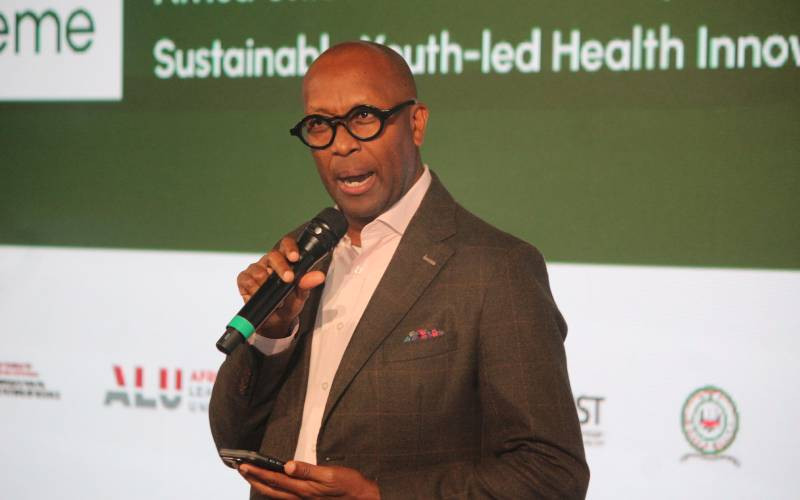
Africa’s health sector is grappling with a mismatch between trained graduates seeking jobs and health facilities facing staffing shortages, raising questions about the relevance of training and the capacity of health systems to absorb young professionals.
Amref International University Vice-Chancellor Professor Joachim Osur says many health graduates remain unemployed because they lack additional skills required by employers, while others struggle to turn innovative ideas into viable businesses.
Speaking during a convening of nine institutions of higher learning and the MasterCard Foundation, Osur said the Africa Health Collaborative was working to bridge the gap between training, employment and entrepreneurship.

“A lot of young people who are trained in health courses don't necessarily get jobs. Not because the training is not okay, but because there are additional things that employers are looking for,” said Osur, who chairs the collaborative executive steering committee.
The partnership aims to create three million jobs across Africa by 2030 through direct employment and businesses established by young entrepreneurs.
Osur said limited access to mentors, seed funding and investors continued to frustrate young innovators seeking to develop solutions to healthcare challenges.
“One thing they have told us is that nobody even listens to them,” he said, adding that innovators often struggled to find mentors to refine their ideas and funding to test whether their solutions were viable.
He said the collaborative was seeking to connect innovators with mentors, seed funders and investors to help promising ventures develop and expand.
Amref Health Africa Group Chief Executive Officer Professor Githinji Gitahi said innovations must address practical healthcare needs rather than focus on technology without a clear benefit to communities.
“We won't focus on innovation; we will focus on service delivery,” Gitahi said.
He cited drone technology used to identify areas at high risk of malaria transmission, allowing authorities to target mosquito breeding sites before infections spread. Other innovations are exploring improved wound treatment and digital tools for collecting and sharing health information.
Gitahi said the partnership would provide innovators with opportunities to test their solutions through universities and existing health programmes, although some ideas would require further development before implementation.
On Kenya’s Ebola response, Gitahi said the country had achieved 99.5 per cent contact tracing following the imported case. However, he identified border surveillance and sustained infection prevention measures as areas requiring attention.
He also raised concern over infections among healthcare workers, saying health facilities needed to maintain appropriate protective equipment and infection prevention procedures even when there was no active outbreak.
Meanwhile, the Ministry of Health has called for better coordination between training institutions and employers to address the mismatch between unemployed graduates and staffing needs in health facilities.
Stay informed. Subscribe to our newsletter
Speaking on behalf of Principal Secretary Mary Muthoni, Director of Primary Health Care Joel Gondi questioned why some employers continued to retrain graduates after recruitment instead of ensuring that training prepared them for the workplace.
“Why are we not making them anew from the beginning?” Gondi asked, challenging institutions to align training with the skills employers require.
The ministry cited four short courses introduced for final-year Kenya Medical Training College students covering soft skills, applied primary healthcare, youth advocacy and health entrepreneurship as part of efforts to improve graduate readiness.
Kenya is targeting 50,000 dignified jobs for young people within its primary healthcare ecosystem through workforce development, entrepreneurship and innovation.
The partners said closer coordination between universities, employers, health facilities and communities would be necessary to ensure graduates find meaningful employment and that innovations respond to actual healthcare needs.








Subscribe to our newsletter and stay updated on the latest developments and special offers!








 join