×

The Standard e-Paper
Kenya’s Boldest Voice
 The Standard Group Plc is a
multi-media organization with investments in media platforms spanning newspaper
print operations, television, radio broadcasting, digital and online services. The
Standard Group is recognized as a leading multi-media house in Kenya with a key
influence in matters of national and international interest.
The Standard Group Plc is a
multi-media organization with investments in media platforms spanning newspaper
print operations, television, radio broadcasting, digital and online services. The
Standard Group is recognized as a leading multi-media house in Kenya with a key
influence in matters of national and international interest.

Audio By Vocalize
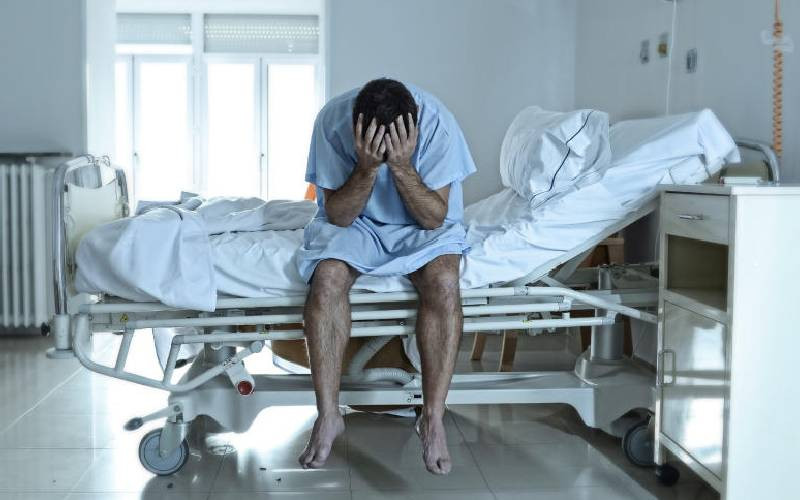
The growing mental health crisis in Kenya remains one of the key challenges affecting families, workplaces, schools, communities, and the country’s social and economic well-being
According to national estimates, one in every four Kenyans is likely to suffer from a mental health condition at some point during their lifetime
Despite the growing crisis, stakeholders continue to raise concern over major gaps in addressing mental health, including inadequate budgetary allocation by the government.
According to Clifford Biko, Programmes Director at Grace World Foundation, failure to invest in mental health continues to negatively affect economic and social development
“Mental health disorders account for approximately 13 per cent of the total disease burden in Kenya, yet budgetary allocation towards mental health remains below 0.1 per cent of the national health budget, as established by the 2019 National Taskforce on Mental Health,” he stated
He added that, “the 2019 National Taskforce on Mental Health further established that for every one shilling invested in mental health, the country receives approximately Sh5 in economic and social returns through improved productivity, reduced healthcare costs and stronger social well-being.”
Stakeholders say the burden of mental illness in the country is evident in the rising cases of suicide, femicide and gender-based violence, alcohol and substance abuse.
According to studies, cited by the National Taskforce on Mental Health (2025), 50 per cent of all mental disorders begin by the age of 14 years while nearly 75 per cent manifest by the age of 24 years.
“This underscores the urgent need to prioritise teen and youth mental wellness through early identification, intervention, counselling, and psychological psychosocial support”, said Biko.
Reports also highlight an urgent need for integrated mental health and rehabilitation systems within Kenya’s Justice and correctional systems.
The Taskforce on Mental Health (2025) estimates that up to 60% of all persons in remand prisons suffer from one form of mental disorder or another.
They further noted that the economic burden of mental illness in Kenya remains largely underestimated, with mental disorders continuing to affect national productivity, workforce efficiency, household incomes, education outcomes, and overall economic growth.
Stakeholders further noted that mental health is a human rights issue.
Article 43 of the Constitution of Kenya guarantees every Kenyan the right to the highest attainable standard of health, including mental health care. However, the Kenya National Commission on Human Rights (KNCHR) in one of its 2011 reports, documented widespread neglect, underfunding, stigma discrimination and deplorable conditions in mental health facilities across the country.
Stay informed. Subscribe to our newsletter
The report highlighted overcrowded and deteriorating facilities, inadequate staffing, poor sanitation, limited access to treatment and systemic exclusion of person’s living with mental illness from quality care and dignity.
The report further emphasized that mental health patients should not be viewed as objects of pity or charity, but as citizens with full human rights entitled to dignity, treatment, inclusion and protection from discrimination.
Stakeholders have further highlighted the urgent need, stating that, “as a country we must acknowledge mental health as a national emergency, invest more resources in prevention and treatment, decentralized services to community and primary healthcare levels and collectively work to end stigma and discrimination against persons living with mental illness. We must especially protect our children and youth by prioritizing early intervention, emotional well-being, counseling, mentorship in supportive community systems”.
“It is no longer about competition, who shines best or even started first, but it’s about partnerships which bring credible, sustainable, solutions within our communities”, said Princess Mutisya, the Executive Director, Graceworld Foundation.


Subscribe to our newsletter and stay updated on the latest developments and special offers!






 join
join