×

The Standard e-Paper
Kenya's Bold Newspaper
 The Standard Group Plc is a multi-media organization with investments in media
platforms spanning newspaper print operations, television, radio broadcasting,
digital and online services. The Standard Group is recognized as a leading
multi-media house in Kenya with a key influence in matters of national and
international interest.
The Standard Group Plc is a multi-media organization with investments in media
platforms spanning newspaper print operations, television, radio broadcasting,
digital and online services. The Standard Group is recognized as a leading
multi-media house in Kenya with a key influence in matters of national and
international interest.

Audio By Vocalize
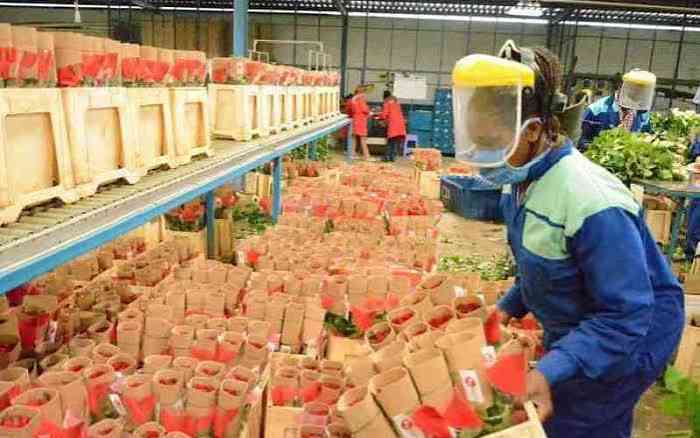
Following a devastating two-day aviation workers' strike at the Jomo Kenyatta International Airport (JKIA), the Kenya Flower Council (KFC) is now calling for the urgent establishment of a National Aviation Contingency Protocol for Perishable Exports.
The organisation, according to the council, will ensure that, even where Labour or operational disputes arise, there are defined contingency arrangements to export critical perishable goods such as flowers and vegetables.
This follows the two-day strike by aviation workers, which paralysed operations at JKIA, adversely affecting exports and passenger flights.
During the period, which affected the normal export chain, over 1,000 tonnes of cargo worth millions of shillings were caught up and are still to be cleared due to a massive backlog.
According to KFC CEO Clement Tulezi, repeated disruptions at the airport risked sending damaging messages to international buyers, with Kenya as a major player.
He said that while the country produced world-class flowers, it could not always guarantee they would leave the country on schedule, a move that would affect the market.
Tulezi proposed that the contingency protocol should include priority cargo handling, cold-chain continuity, cargo clearance, aircraft servicing, alternative routing arrangements, backlog management procedures, and real-time communication with exporters.
“While the restoration of normal airport operations is welcome, the Kenya Flower Council must state clearly that the disruption was avoidable, and its economic consequences should never have been allowed to reach this magnitude,” he said.
Tulezi further noted that Kenya's dependence on JKIA for time-sensitive horticultural exports made such arrangements an economic necessity rather than an option.
“The Government should further establish a permanent aviation-sector industrial relations mechanism bringing together the relevant government agencies, airport authorities, airlines, Labour representatives and key users of aviation infrastructure,” he said.
He added that the strike was avoidable as the matters that have now been agreed could have been addressed without subjecting the country's exporters, travellers, businesses and workers to two days of severe disruption.
“We estimate that about 1,000 tonnes of cargo are caught in the backlog at the airport, with even more product held back on farms and in pack houses,” he said.
Tulezi further noted that competitor countries were continuously improving their production systems, freight connectivity and market access.
He said that every unnecessary disruption therefore created an opportunity for another country to take an order, a programme or a customer that previously belonged to Kenya.
Stay informed. Subscribe to our newsletter
“The country's global reputation has taken decades to build, and it must not be put at risk by disputes that can be settled around a negotiating table,” he said.

Subscribe to our newsletter and stay updated on the latest developments and special offers!












 join
join