
 The Standard Group Plc is a multi-media organization with investments in media
platforms spanning newspaper print
operations, television, radio broadcasting, digital and online services. The
Standard Group is recognized as a
leading multi-media house in Kenya with a key influence in matters of national
and international interest.
The Standard Group Plc is a multi-media organization with investments in media
platforms spanning newspaper print
operations, television, radio broadcasting, digital and online services. The
Standard Group is recognized as a
leading multi-media house in Kenya with a key influence in matters of national
and international interest.


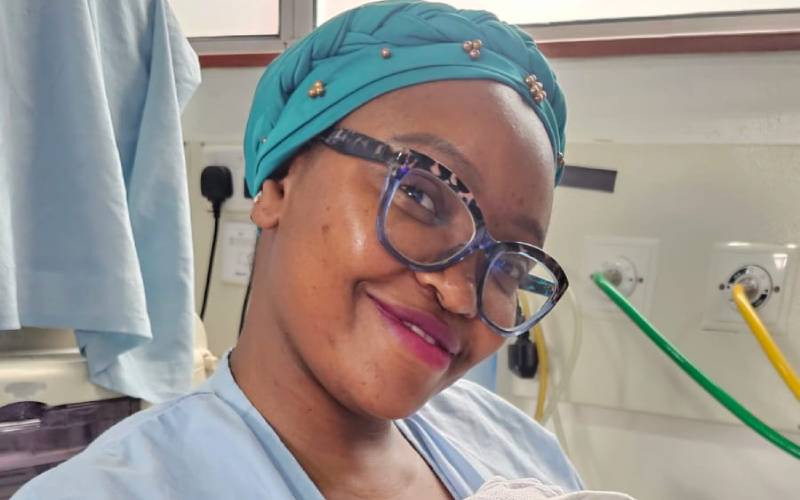
When Janet Mweni began struggling to walk and climb stairs in 2024, she knew something was wrong.
At 24, the young woman who had once enjoyed an active life found herself walking in pain and unable to sit comfortably because of the speed at which her heart was beating.
What followed was a difficult search for treatment, marked by hospital visits, unaffordable bills and desperate fundraising as her family struggled to get her specialised cardiac care.
Mweni eventually underwent a double valve replacement, but only after her family and well-wishers managed to raise money for the operation.
“My family didn’t have money,” Mweni said, recalling how the cost of treatment forced her to stop seeking care at one point.
Her experience mirrors the challenges facing many Kenyans living with heart conditions, with medical specialists warning that the cost of cardiac care, long-term medication and shortage of specialists continue to make treatment difficult.
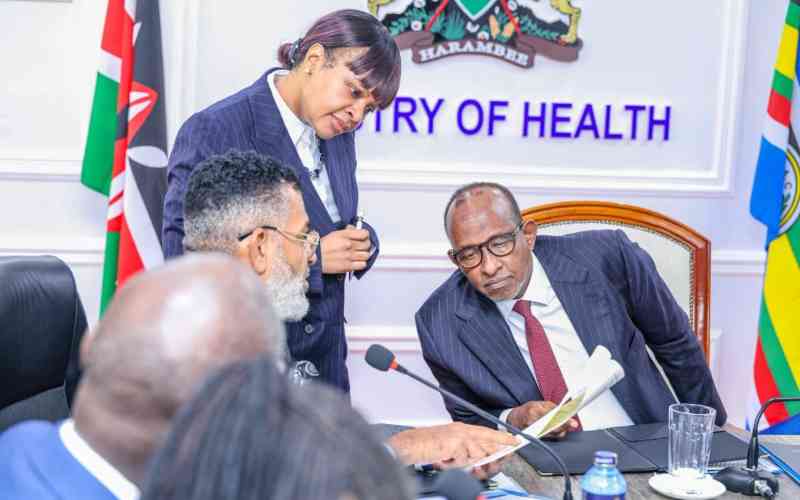
Dr Kemuntu Linda, Secretary General of the Kenya Medical Association, said the cost of managing chronic conditions remains one of the biggest gaps in cardiac care.
She said while there have been improvements in coverage for some surgical conditions under the Social Health Authority, patients suffering from chronic illnesses such as hypertension, diabetes and chronic heart conditions continue to face high costs, particularly for medicines required over long periods.
“One of the gaps that Kenya Medical Association and Kenya Cardiac Society highlight is the cost of care,” Dr Kemuntu said.
Mweni narrates that the struggle did not end after her surgery. Following the double valve replacement, she was placed on medication, including blood thinners, which she was told she would need to take for life.
During her recovery, nurses and healthcare assistants encouraged her to pursue training as a healthcare assistant. She completed the course and recently finished her attachment.
She now hopes to secure employment and use her experience to help other patients.
“I’m helping them at least because they helped me,” she said.
Her case comes as health experts call for greater investment in cardiac care, warning that access to treatment remains uneven across the country.
According to Dr Kemuntu, Kenya has about 70 to 80 cardiologists, covering both adult and paediatric care.
The number remains too low, she said, with some counties having no cardiologist or cardiothoracic surgeon. Patients are therefore forced to travel to Nairobi, Eldoret, Mombasa and other major centres for specialised treatment, adding transport and accommodation costs to already expensive medical bills.
“There are many counties that don’t have a cardiologist; they don’t have a cardiothoracic surgeon, adults and paediatrics,” Dr Kemuntu said.
She urged county governments to invest in training doctors in cardiac care so patients can access specialised treatment closer to home.
Dr Kemuntu also called for the establishment of a national centre of excellence for cardiac diseases, saying a dedicated public facility could improve treatment outcomes and access to specialised care.
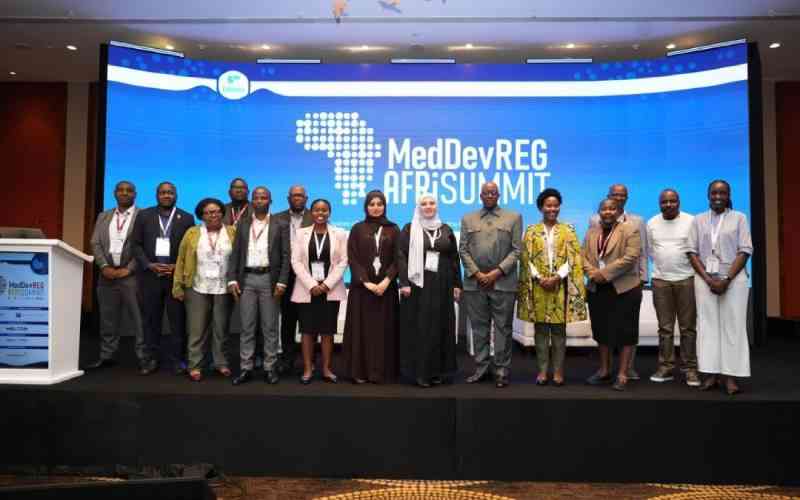
Lillian Muga, the Kenya Cardiac Society chief executive officer, said the healthcare system continues to face gaps in financing and specialist care, with cardiac surgery remaining beyond the reach of many families.
“There are conditions that require surgery. The surgeries are probably very expensive. They require a lot of resources that the majority of people are not able to afford,” Muga said.
Muga said although the number of cardiologists and cardiothoracic surgeons is increasing, the country still has a significant shortage of specialists.
The experts are also calling for greater emphasis on prevention and early detection, particularly for adults at risk of cardiovascular diseases.
Dr Kemuntu said many adult heart conditions are linked to lifestyles characterised by prolonged sitting and inadequate physical activity.
She recommended at least 30 minutes of exercise three to four days a week, alongside annual health checks for blood pressure, blood sugar and other risk factors.
Muga similarly urged Kenyans to undergo regular screening, warning that some cardiovascular conditions can develop without obvious symptoms.
Hypertension, she said, is often referred to as a silent killer and can contribute to more serious cardiovascular complications.
“The best thing is always to go for early screening, have your blood pressure checked now and then,” Muga said.
She cautions that cardiac disease is not only an adult problem.
Dr Kemuntu said some children are born with congenital heart conditions, making early diagnosis and treatment critical.
She urged expectant mothers to seek antenatal care early and said children born with heart conditions should receive timely medical attention because many conditions can be managed.
“A lot of the heart conditions can actually be managed, and the child can go on to live a good lifestyle,” she said.
Despite growing awareness, the specialists say Kenya is still far from closing the cardiac care gap.











 join
join