×

The Standard e-Paper
Kenya’s Boldest Voice
 The Standard Group Plc is a
multi-media organization with investments in media platforms spanning newspaper
print operations, television, radio broadcasting, digital and online services. The
Standard Group is recognized as a leading multi-media house in Kenya with a key
influence in matters of national and international interest.

Audio By Vocalize
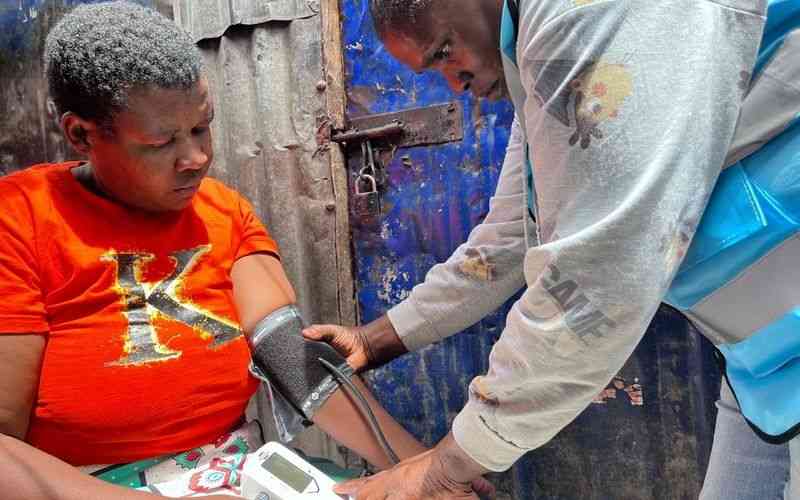
Nearly one in three community health promoters surveyed in Nairobi and Kiambu reported symptoms of anxiety, while more than one in five reported symptoms of depression, exposing the mental health burden facing workers tasked with helping vulnerable families navigate illness, poverty and limited access to healthcare.
The findings, published in an April 2026 policy brief by the Strengthening Health Systems by Addressing Community Health Workers’ Mental Wellbeing and Agency (SHINE) study, reveal a troubling contradiction: those caring for communities are struggling under the emotional and financial demands of their work.
Researchers surveyed 1,236 community health promoters (CHPs) in Nairobi’s Viwandani and Korogocho informal settlements and Kiambu County’s Lari and Gatundu between 2023 and 2025. They found that 30.6 per cent screened positive for anxiety symptoms, 22.4 per cent for depression and 12.7 per cent for stress at moderate levels or above.
These were screening results, not clinical diagnoses. However, Nairobi recorded substantially higher rates than Kiambu. Anxiety affected 33.8 per cent of Nairobi respondents against 18.9 per cent in Kiambu, while depression stood at 26.4 per cent and 8.2 per cent respectively.
Caroline Kabaria, an associate research scientist at the African Population and Health Research Center, said promoters’ mental wellbeing was shaped by the intersection of demanding work, personal circumstances and the hardships experienced by households they serve.
The study combined surveys with interviews involving 66 national and county government decision-makers and participatory exercises involving 90 promoters. Participants identified unpredictable workloads, inadequate compensation, reporting demands, weak supervisory support, financial difficulties and safety concerns as major sources of distress.
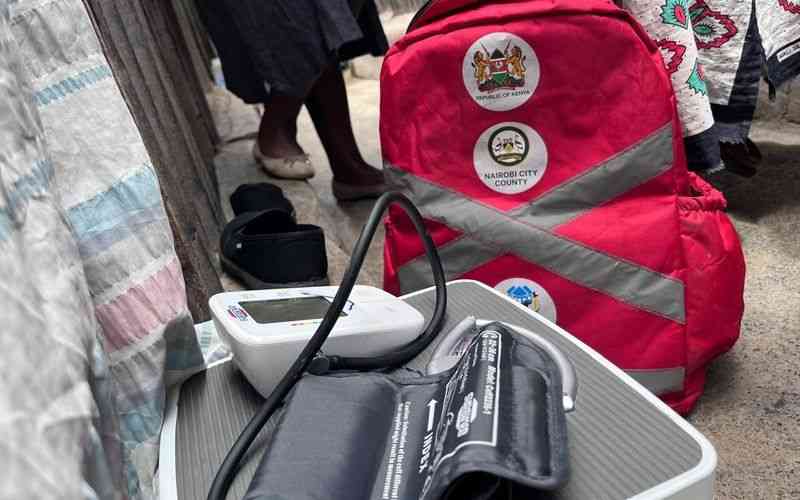
Only eight per cent of Nairobi promoters considered their workload manageable, compared with 24 per cent in Kiambu. Just 12 per cent in Nairobi said they could complete tasks on time, against 34 per cent in Kiambu.
For some, responsibilities extend well beyond scheduled household visits.
“You finish the day exhausted, then at 11 pm a mother calls because her child has a fever. You do not sleep. The next morning your supervisor asks why your eCHIS targets are not yet uploaded,” a Viwandani promoter told researchers.
The electronic Community Health Information System (eCHIS) is intended to support reporting, but system downtime, data-syncing failures and phone malfunctions can force promoters to repeat tasks. Meanwhile, emergencies involving patients often demand attention outside official working hours.
Although policy limits promoters’ work to eight days monthly, researchers found that supporting patients through referrals and multiple health facilities could stretch their responsibilities beyond formal expectations.
“You cannot just abandon someone like that,” promoters explained during the study’s validation workshops.
Such commitment comes at a cost. Kenya has approximately 107,000 promoters, each serving about 100 households. Despite receiving a monthly stipend of Sh5,000, between 93 and 97 per cent of respondents considered their compensation inadequate or unfair. Between 92 and 94 per cent regularly spent personal money on transport, airtime and helping community members.
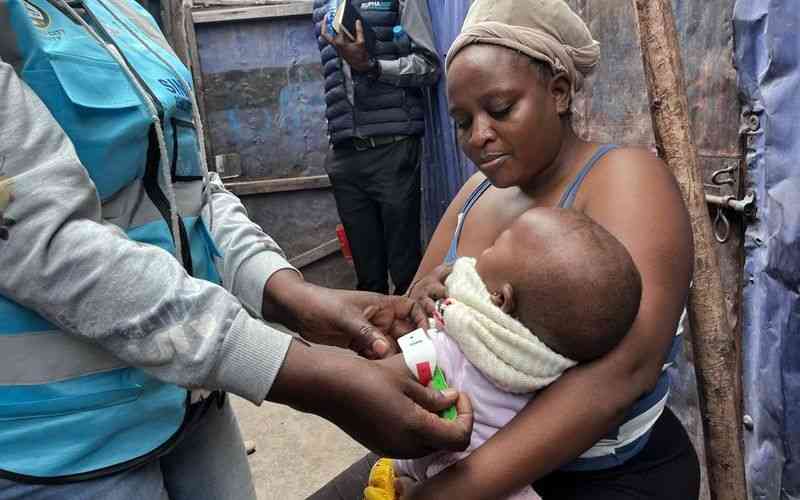
A Korogocho promoter described the consequences during a life-history interview.
“When the stipend delays, my husband asks what I am doing all day. I have used my own fare to take a sick neighbour to the clinic, and now I cannot pay for my child’s school lunch,” the promoter said.
Stay informed. Subscribe to our newsletter
The pressure is particularly pronounced in informal settlements, where poverty, overcrowding and inadequate sanitation complicate household visits. Flooding in 2024 displaced families, damaged routes and increased exposure to disease, affecting promoters alongside the communities they serve.
Women also reported safety concerns. The CHP described inappropriate comments during household visits and the absence of safe reporting channels.
“When you go alone to a household, sometimes a man will say things that frighten you. There is nowhere to report it that feels safe, so you keep it inside,” she said.
Researchers also found that some promoters felt excluded from training and decision-making. Supervisory arrangements compounded the problem, although one community health assistant (CHA) should support ten promoters, some assistants were responsible for as many as 100. Meetings frequently prioritised performance targets over workers’ emotional wellbeing.
Dr Stephen Mulupi, head of research at LVCT Health and principal investigator of SHINE, said the project sought to identify workplace pressures affecting promoters’ daily lives.
The study has informed a pilot intervention involving 500 promoters and 50 assistants. Its four components include mental health literacy, peer-led self-care based on the World Health Organization’s Doing What Matters in Times of Stress, improved supervisory skills and supportive text messages linking workers to mental health services.
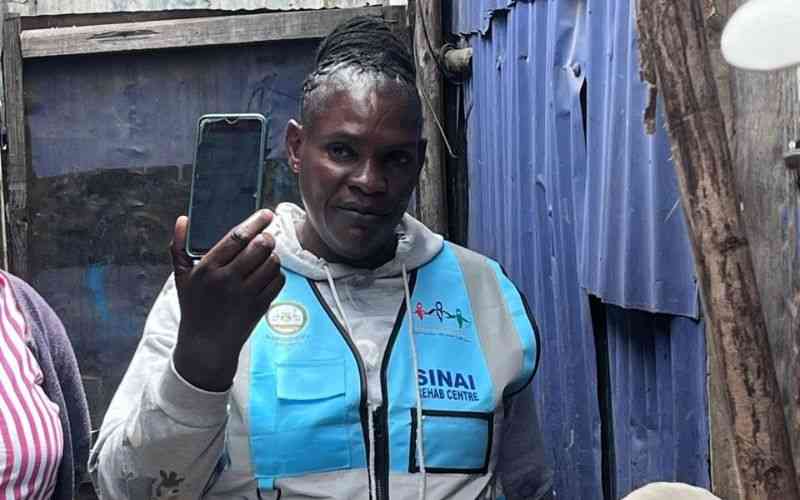
Veronica Muthengi’s experience in Viwandani illustrates the emotional toll of supporting families facing severe hardship.
During a follow-up visit involving Bendatta Mwelu’s child, who had been hospitalised with meningitis, Muthengi confronted the limits of what she could offer a struggling household.
“When I start eating, I remember that family and how difficult things are for them. I feel sad because I have not been able to give them anything to eat,” she said.
Her experience reflects the wider findings: promoters often become deeply involved in families’ lives without having the resources to address their needs or manage the emotional consequences.
The SHINE brief calls on the Ministry of Health to incorporate workers’ wellbeing into Kenya’s Community Health Strategy, including mental health training and dedicated wellbeing indicators. It recommends involving county mental health professionals in routine community health activities, supervision and referrals.
County governments are urged to pay stipends promptly, assess their adequacy, maintain manageable supervisory ratios and prevent duties from exceeding formal responsibilities. The report also recommends confidential mechanisms for reporting harassment and gender-based violence, alongside formal welfare and peer-support structures.
For researchers, the intervention offers a starting point, but individual coping techniques cannot substitute for institutional reforms.
Reliable compensation, manageable workloads, safe working conditions and accessible mental health services are essential to protecting the workforce on which primary healthcare depends.
The findings leave a fundamental question for Kenya’s health system, who cares for the people expected to care for everyone else?
Subscribe to our newsletter and stay updated on the latest developments and special offers!


 Prefer the Standard on Google