×

The Standard e-Paper
Join Thousands Daily
 The Standard Group Plc is a
multi-media organization with investments in media platforms spanning newspaper
print operations, television, radio broadcasting, digital and online services. The
Standard Group is recognized as a leading multi-media house in Kenya with a key
influence in matters of national and international interest.
The Standard Group Plc is a
multi-media organization with investments in media platforms spanning newspaper
print operations, television, radio broadcasting, digital and online services. The
Standard Group is recognized as a leading multi-media house in Kenya with a key
influence in matters of national and international interest.

Audio By Vocalize
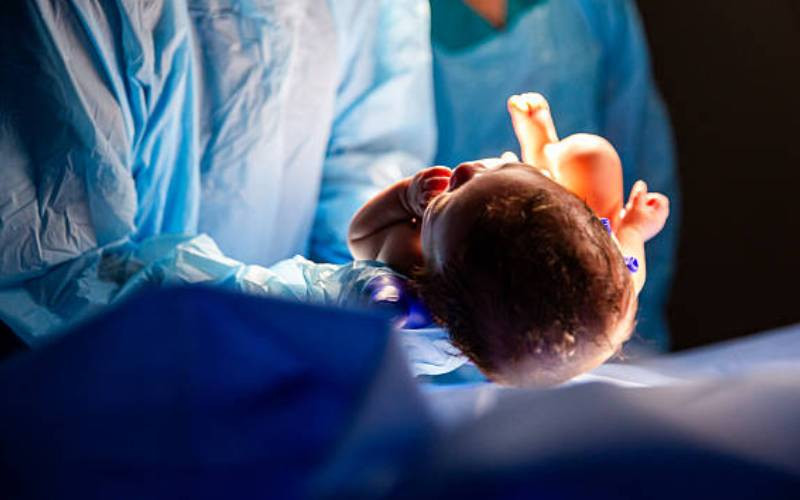
Nearly 18 in every 1,000 babies born in Kilifi County are stillborn, according to a new multinational study that has found women who have previously lost a baby face more than three times the risk of another stillbirth, underscoring the need for earlier identification and closer monitoring of high-risk pregnancies.
The findings, released by the Pregnancy Care Integrating Translational Science, Everywhere (PRECISE) Network, are based on research involving about 5,700 pregnant women in Kenya, Mozambique and The Gambia between 2019 and 2022.
The study recorded an overall stillbirth rate of 29.2 per 1,000 births across the three countries, while Kilifi registered 17.8 stillbirths per 1,000 births.
Researchers said the findings demonstrate why women with a history of stillbirth require specialised care even before they conceive again.
"A woman who has experienced a previous stillbirth should receive close follow-up even before becoming pregnant again, particularly if underlying conditions such as hypertension, diabetes or malnutrition are present. Early antenatal care, more frequent monitoring and a clear birth plan can help reduce risks in future pregnancies," said Dr Angela Koech, co-principal investigator of the study at the Aga Khan University's Centre of Excellence in Women and Child Health, East Africa.
The study identified previous stillbirth, severe high blood pressure, bleeding during pregnancy and poor foetal growth as the leading factors associated with pregnancy loss.
Women who had previously experienced a stillbirth were found to be more than three times as likely to lose another baby compared to those with no such history.
Researchers attributed the heightened risk to recurring maternal conditions, including chronic hypertension, diabetes, sickle cell disease and blood-clotting disorders, as well as persistent socioeconomic and healthcare access challenges that continue across pregnancies.
The study also revealed that while almost 89 per cent of stillbirths occurred at 28 weeks of pregnancy or later, nearly 11 per cent happened between 20 and 27 weeks of gestation, losses that are not captured under the standard international reporting threshold.
"Almost 11 per cent of stillbirths occurred between 20 and 27 weeks, losses that would be invisible under the standard 28-week reporting threshold," said Dr Hannah Blencowe, a maternal, perinatal and child health researcher.
She said the findings suggest the burden of stillbirth may be underestimated, with earlier pregnancy losses receiving little attention despite their emotional and clinical significance.
The report comes against the backdrop of a persistently high stillbirth burden across Africa. According to the Africa Centres for Disease Control and Prevention, a baby is stillborn somewhere on the continent every 30 seconds.
In 2023 alone, nearly one million third-trimester stillbirths were recorded in Africa, accounting for 52 per cent of the estimated 1.9 million late-gestation stillbirths reported globally.
Nearly half of all stillbirths across the continent occur during labour, pointing to gaps in foetal monitoring, timely referrals and access to quality emergency obstetric care, despite many of the deaths being considered preventable.
Stay informed. Subscribe to our newsletter
Beyond the loss of a baby, researchers said stillbirth often leaves families facing profound emotional, social and physical consequences. Many women experience prolonged grief, depression, anxiety, stigma and isolation, while some also suffer complications arising from difficult deliveries.
The study recommends strengthening pre-conception care, early antenatal attendance and personalised monitoring for women at higher risk of pregnancy complications.
It also calls for better management of chronic maternal conditions, improved referral systems and psychological support for bereaved families.
Researchers noted that implementing these measures could significantly reduce preventable stillbirths and improve maternal and newborn outcomes as Kenya works to lower its stillbirth burden and improve the quality of maternal healthcare.

Subscribe to our newsletter and stay updated on the latest developments and special offers!










 join
join