 The Standard Group Plc is a multi-media organization with investments in media
platforms spanning newspaper print
operations, television, radio broadcasting, digital and online services. The
Standard Group is recognized as a
leading multi-media house in Kenya with a key influence in matters of national and
international interest.
The Standard Group Plc is a multi-media organization with investments in media
platforms spanning newspaper print
operations, television, radio broadcasting, digital and online services. The
Standard Group is recognized as a
leading multi-media house in Kenya with a key influence in matters of national and
international interest.

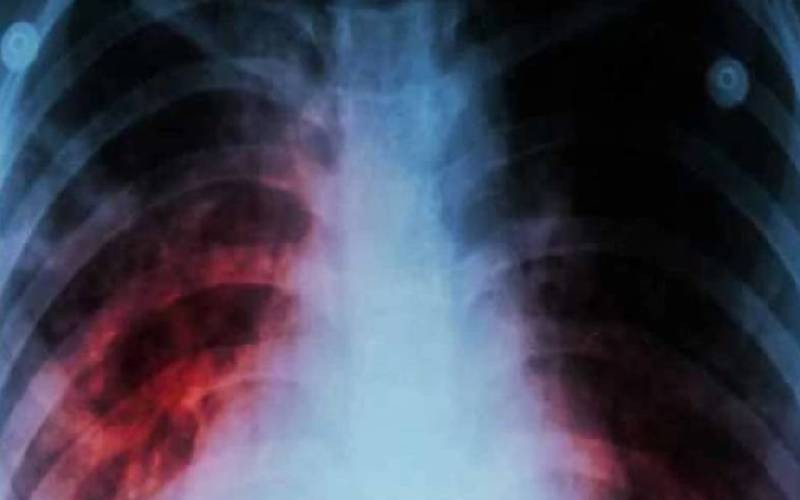
Tuberculosis (TB) is a contagious bacterial infection caused by Mycobacterium tuberculosis. It most commonly affects the lungs and spreads through the air when an infected person coughs, sneezes or speaks. Tiny droplets carrying the bacteria can be inhaled by others, allowing the infection to take hold.
Although pulmonary TB is the most recognised form, the disease does not always remain in the lungs. According to the World Health Organisation (WHO), the bacteria can travel through the bloodstream or lymphatic system to other parts of the body, including the spine, brain, kidneys, joints and bones.
When TB spreads to the vertebrae, it is known as spinal tuberculosis or Pott’s disease. Dr Juma Bwika, a pulmonologist, explains that this form typically begins as a lung infection before silently migrating to the bones of the spine. Over time, the bacteria destroy the vertebrae, weakening the spine’s structural support and placing dangerous pressure on the spinal cord.
Spinal TB is classified as extra-pulmonary TB, a disease that occurs outside the lungs. Medical data indicate that extra-pulmonary TB accounts for roughly 10 to 15 per cent of all TB cases, with skeletal TB among the most common forms. Within the skeleton, the spine is the most frequently affected site. “The vertebrae are responsible for supporting the body’s weight and protecting the spinal cord,” Dr Bwika explains, noting that when infection eats away at these bones, they can collapse. That collapse may compress nerves, affecting movement and sensation in the limbs.”
One of the greatest dangers of spinal TB is how quietly it develops. Symptoms often emerge gradually and may appear mild at first.
Children and adults can experience persistent back pain, fatigue, low-grade fever, night sweats, weight loss or irritability. Because these signs resemble common conditions such as muscle strain or poor posture, they are frequently overlooked.
“Early X-rays can even look normal,” Dr Bwika notes. In many low-resource settings, limited access to advanced imaging such as MRI scans further delays diagnosis. By the time clear abnormalities are detected, significant damage may already have occurred. If left untreated, spinal TB progressively destroys bone tissue and increases pressure on the spinal cord. This can result in spinal deformities, including a pronounced forward curvature of the back. In severe cases, patients may develop weakness, numbness or paralysis of the legs due to nerve compression.
Yet the outlook is far better when the condition is identified early. “If spinal TB is caught in time, it can be treated successfully with antibiotics for six to 18 months,” says Dr Bwika. Most patients recover without major disability if treatment begins before serious spinal damage sets in.
The burden of TB remains high globally. The World Health Organisation reports that more than 90 per cent of TB cases occur in developing countries, particularly in Africa and South Asia. In Kenya, tens of thousands of new TB cases are recorded each year, with incidence rates exceeding 200 cases per 100,000 people.
Overcrowding, undernutrition and limited access to healthcare continue to fuel transmission. Certain populations face heightened risk. Children, whose immune systems are still developing, may progress more rapidly from infection to severe disease. Individuals living with HIV or other immune-compromising conditions are also more vulnerable to both pulmonary and spinal involvement.
Communities affected by conflict or displacement face additional challenges. Overcrowded living conditions, poor sanitation and disruptions to health services increase both exposure to TB and delays in diagnosis.
Diagnosing spinal tuberculosis requires careful clinical assessment supported by imaging and laboratory testing. A tuberculin skin test or blood test may indicate prior exposure to TB bacteria. Imaging usually begins with spinal X-rays, though early disease may not be visible. Magnetic resonance imaging (MRI) is considered the most sensitive tool for detecting spinal lesions and soft tissue damage. In some cases, a biopsy is needed to confirm the presence of TB bacteria.
Treatment centres on a combination of antibiotics, typically including isoniazid, rifampicin, pyrazinamide and ethambutol, taken for at least six months. Adhering strictly to the full course is critical to eliminate infection and prevent drug resistance.
Surgery is reserved for specific situations, such as large abscesses, severe spinal deformity or worsening neurological symptoms. Surgical procedures may remove infected tissue, stabilise the spine or relieve pressure on the spinal cord.
Recovery, however, extends beyond medication. Physiotherapy and rehabilitation play a crucial role in restoring strength, mobility and posture. Early rehabilitation can prevent contractures, a condition where muscles stiffen and joints lose flexibility.




