×

The Standard e-Paper
Fearless, Trusted News
 The Standard Group Plc is a
multi-media organization with investments in media platforms spanning newspaper
print operations, television, radio broadcasting, digital and online services. The
Standard Group is recognized as a leading multi-media house in Kenya with a key
influence in matters of national and international interest.
The Standard Group Plc is a
multi-media organization with investments in media platforms spanning newspaper
print operations, television, radio broadcasting, digital and online services. The
Standard Group is recognized as a leading multi-media house in Kenya with a key
influence in matters of national and international interest.

Audio By Vocalize
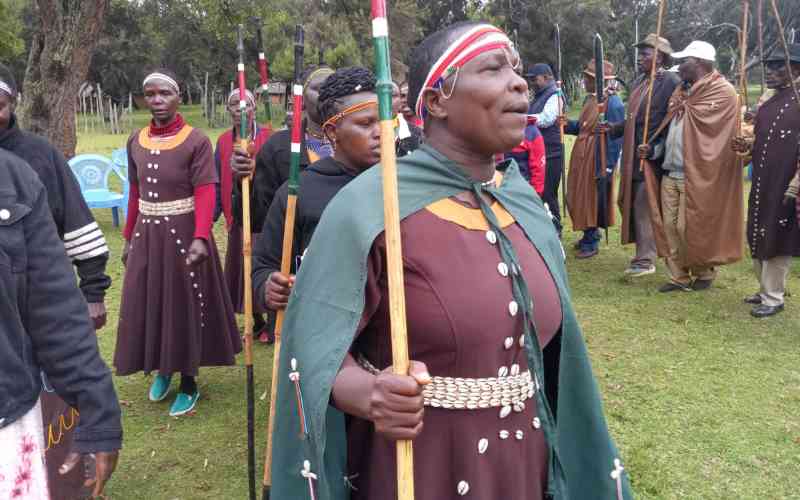
The Ogiek community has been urged to embrace cultural and eco-tourism as sustainable ways of generating income, preserving its rich heritage and protecting ancestral land.
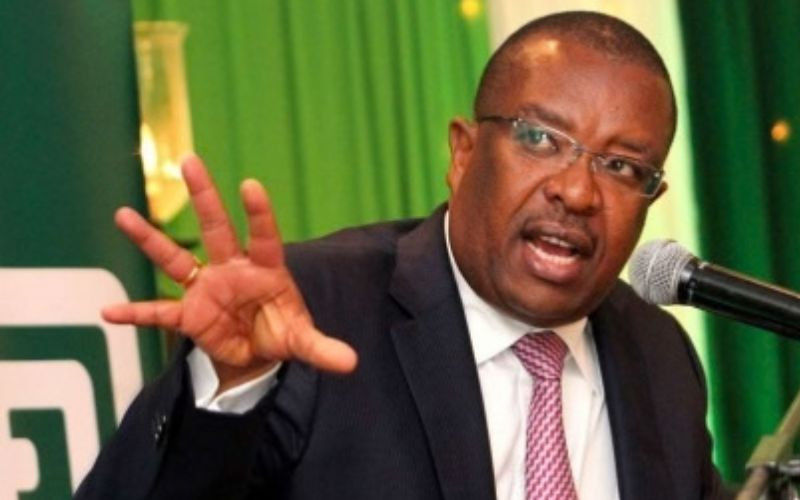
Bungoma Public Service Board chairman Fredrick Wanyonyi said the community could turn its cultural heritage into an economic enterprise by adopting innovative tourism initiatives such as open-air living museums.
Wanyonyi said the Ogiek's traditional practices, performances and close relationship with nature presented opportunities for the community to attract tourists while improving livelihoods.
“I’m totally impressed by the rich cultural displays, the exciting traditional performance and linking them to tourism creates economic opportunities for the community,” Wanyonyi said.
Speaking during celebrations to mark the International Day of the World's Indigenous Peoples at Chepkitale in Mt Elgon Constituency, Wanyonyi said the Ogiek's cultural heritage was a valuable asset that, if properly developed and linked to tourism, could create new economic opportunities for the community.
He also commended the community for its efforts to protect and conserve its land, natural resources and water, saying its relationship with the environment could serve as an example to other communities.
“Our next generation depends on the way we handle and take care of the environment. It is encouraging that the Ogiek are champions of protecting the ecosystem within their jurisdiction. This is worth emulating by other communities,” he said.
Wanyonyi also lauded the Ogiek for pursuing legal avenues to reclaim their ancestral land, saying land ownership was closely tied to the community's identity and wellbeing.
“I appreciate this community as one of the communities that have championed for their wellbeing through legal procedures, and the victory to reclaim the ancestral land is critical,” he said.
The official also promised to raise concerns over the poor road network in the area with relevant authorities.
“The road linking the community with the rest of the world is impassable after being washed away by rains. It requires to be fixed,” he said.
The United Nations marks August 9 as the International Day of the World's Indigenous Peoples. The day commemorates the first meeting of the UN Working Group on Indigenous Populations, held in Geneva in 1982.
The UN estimates that about 476 million Indigenous people live in 90 countries. Although they account for less than six per cent of the world's population, they represent at least 15 per cent of the world's poorest people and are associated with about 5,000 distinct cultures and the majority of the world's estimated 7,000 languages.
Subscribe to our newsletter and stay updated on the latest developments and special offers!






 join
join