×

The Standard e-Paper
Join Thousands Daily
 The Standard Group Plc is a
multi-media organization with investments in media platforms spanning newspaper
print operations, television, radio broadcasting, digital and online services. The
Standard Group is recognized as a leading multi-media house in Kenya with a key
influence in matters of national and international interest.

Audio By Vocalize
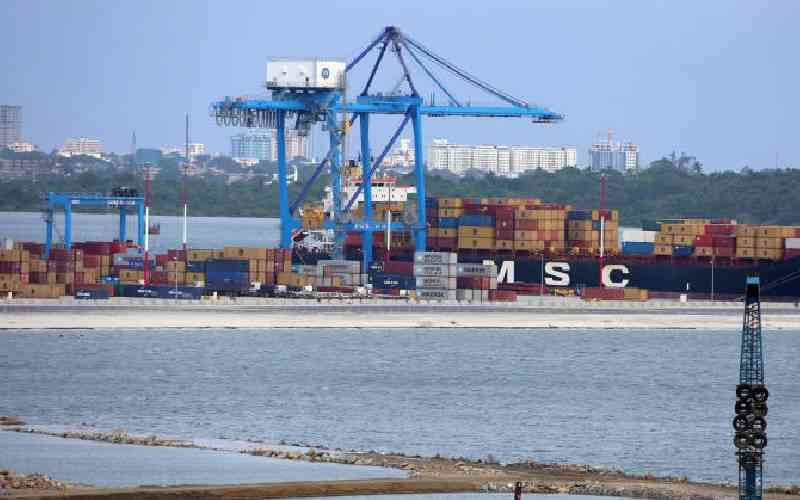
Kenya's maritime sector has seen increased cargo volumes and growing interest from international shipping lines.
But industry players warn that inadequate port capacity, operational inefficiencies and poor hinterland connectivity could undermine the country's ambition to become a leading maritime and logistics hub in East and Central Africa.
The Kenya Ships Agents Association (KSAA), which represents shipping lines whose vessels call at Kenyan ports, says the growing number of vessels calling at the ports of Mombasa and Lamu presents significant economic opportunities.
However, it insists that sustained investment in infrastructure, improved port operations and better coordination among industry stakeholders are necessary to accommodate the growing demand.
According to the association's 2026 year-end media brief, the Port of Mombasa handled approximately 45.45 million metric tonnes of cargo in 2025, compared with 40.99 million tonnes in 2024.
Container traffic also increased to approximately 2.11 million Twenty-foot Equivalent Units (TEUs), and this year is expected to see even higher volumes.
At the Port of Lamu, cargo throughput increased significantly from 74,380 metric tonnes to 799,161 metric tonnes, while container traffic reached 55,687 TEUs, even though the port still lacks adequate inland infrastructure to move cargo directly to the hinterland markets.
KSAA Chief Executive Elijah Mbaru said the growth demonstrates increasing interest from international shipping lines, but warns that existing infrastructure is struggling to keep pace with demand.
Mbaru said the Port of Mombasa is operating close to its full capacity, calling on the government to accelerate investment in both physical infrastructure and operational systems.
"Efficient port operations are critical to Kenya's trade competitiveness. Our focus remains on addressing operational bottlenecks, strengthening coordination among port stakeholders and advocating for practical solutions that improve vessel turnaround times, cargo clearance and the overall efficiency of the logistics chain," he stated.
He also identified inadequate road and railway connections as major obstacles to the efficient movement of cargo from the ports to regional markets.
The association has welcomed the ongoing extension of Berth 19 B at the Port of Mombasa, which is expected to increase handling capacity by 300,000 TEUs. It says further investment in cargo-handling equipment, additional berth capacity and evacuation systems will be necessary to prevent congestion and improve vessel turnaround times to avoid Vessel Delay Surcharges (VDS).
The concerns come amid growing pressure on shipping agents and other players in the maritime industry over the cost and efficiency of doing business in the country owing to delays in processing cargo.
"Cargo growth is a success story, but sustaining that growth requires continuous investment in capacity before congestion becomes a constraint," he added.
Stay informed. Subscribe to our newsletter
Mbaru said the development of the supporting infrastructure around Lamu Port remains critical, adding that the progress of the Lamu -Garissa and Garissa-Isiolo roads and port access infrastructure will unlock the full potential of the Lamu Port South Sudan Ethiopia Transport (Lapsset) corridor, further grow cargo volumes and ensure its movement to regional markets.
KSAA chairman Roger Dainty said the industry continues to face challenges, including additional charges imposed on shipping agents by non-governmental agencies, regulatory concerns involving the Kenya Maritime Authority (KMA) and inefficiencies in port operations.
Dainty said the association has held several engagements with government agencies to address the challenges, expressing optimism that increased consultation will help resolve some of the concerns.
He also raised alarm over the decline in Mombasa's international port rankings, saying urgent interventions are needed to restore its competitiveness.
Dainty expressed support for increased private-sector participation in port operations, arguing that this could improve efficiency and service delivery.
"A competitive maritime sector can only be achieved through strong collaboration between government, regulators, port operators, shipping lines and shipping agents. We actively engaged with the national government and its bodies ... and other stakeholders to address operational challenges and support industry growth," he stated.
Industry players say delays in vessel turnaround are particularly costly, with shipping companies continuing to incur operational expenses while their vessels wait to berth or complete port operations.







Subscribe to our newsletter and stay updated on the latest developments and special offers!