×

The Standard e-Paper
Home To Bold Columnists
 The Standard Group Plc is a
multi-media organization with investments in media platforms spanning newspaper
print operations, television, radio broadcasting, digital and online services. The
Standard Group is recognized as a leading multi-media house in Kenya with a key
influence in matters of national and international interest.
The Standard Group Plc is a
multi-media organization with investments in media platforms spanning newspaper
print operations, television, radio broadcasting, digital and online services. The
Standard Group is recognized as a leading multi-media house in Kenya with a key
influence in matters of national and international interest.

Audio By Vocalize
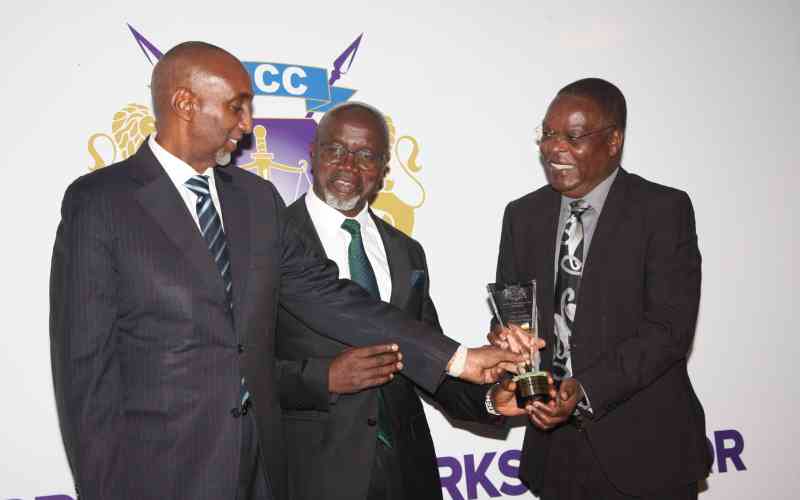
Ethics and Anti-Corruption Commission (EACC) CEO Abdi Mohamud, Court of Appeal Judge Patrick Kiage, and EACC Chairman David Oginde during the anti-corruption workshop for media practitioners at the Sarova Stanley Hotel in Nairobi on April 14, 2026. [Jenipher Wachie, Standard]
The Ethics and Anti-Corruption Commission (EACC) has defended its performance amid mounting public pressure for more convictions in graft cases, as calls for integrity intensify across the public and private sectors.
Speaking at an anti-corruption workshop for media practitioners at the Sarova Stanley Hotel on Tuesday, EACC Chief Executive Officer Abdi Mohamud said the commission had recovered Sh7.4 billion in illegally acquired and unexplained assets since 2023 and prevented a further Sh10.7 billion in potential losses.
Over the same period, 72 cases resulted in convictions, compared with 66 acquittals, while 24 were withdrawn. A further 133 asset recovery suits are before the courts, with an estimated value of Sh25.7 billion that the agency aims to return to the public.
Despite these figures, Mohamud acknowledged a gap between the commission’s record and public perception.
"Despite all that, when we conduct our annual surveys, we find corruption increasing. All stakeholders in this area must have a conversation on whether we are employing the right strategy to deal with this problem," he said.
Beyond prosecutions, the commission said it is deploying integrity tests, corruption risk assessments, and institutional reviews across national and county governments as part of a broader strategy to curb graft.
Journalists under pressure
The protection of journalists, particularly crime and court reporters, emerged as a dominant theme at the workshop, against a backdrop of retaliatory attacks on media houses and reporters pursuing accountability stories.
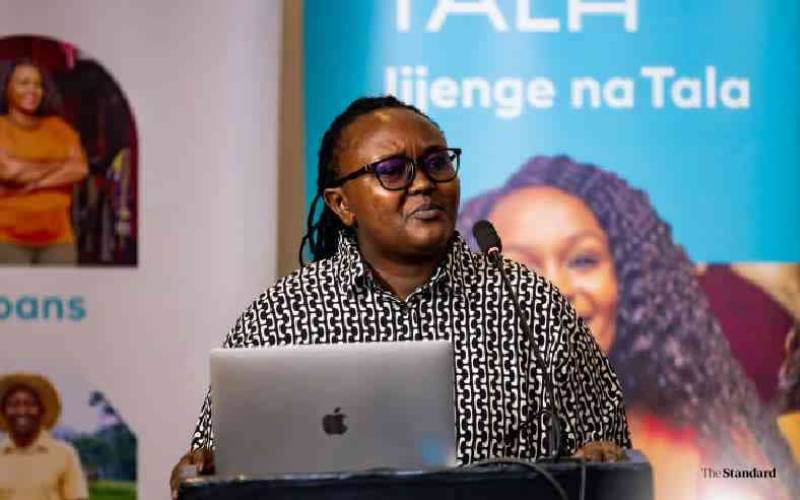
Kenya Editors Guild President Zubeida Kananu warned of the growing use of costly litigation to silence the media.
"We are witnessing a rise in SLAPPs; Strategic Lawsuits Against Public Participation, where wealthy individuals and entities use the courts to tie up newsrooms in endless, expensive litigation, effectively gagging us before the first sentence of an investigation is even published," she said.
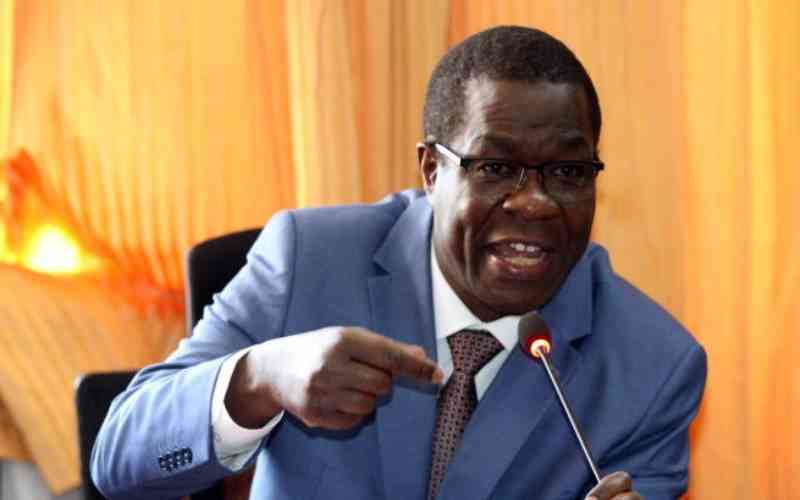
Court of Appeal, crimes division, judge Patrick Kiage said interference with the media undermines the broader fight against corruption, which he described as a threat to Kenya’s development.
"The media hold a mirror for society. If we see how dirty we are, we shouldn't kill the mirror bearer or smash the mirror. We should clean ourselves," he said.
Also present were EACC chairperson David Oginde, Media Council of Kenya CEO David Omwoyo, and Africa Editors Forum president Churchill Otieno.
Stay informed. Subscribe to our newsletter





Subscribe to our newsletter and stay updated on the latest developments and special offers!






 join
join