×

The Standard e-Paper
Home To Bold Columnists
 The Standard Group Plc is a
multi-media organization with investments in media platforms spanning newspaper
print operations, television, radio broadcasting, digital and online services. The
Standard Group is recognized as a leading multi-media house in Kenya with a key
influence in matters of national and international interest.

Audio By Vocalize
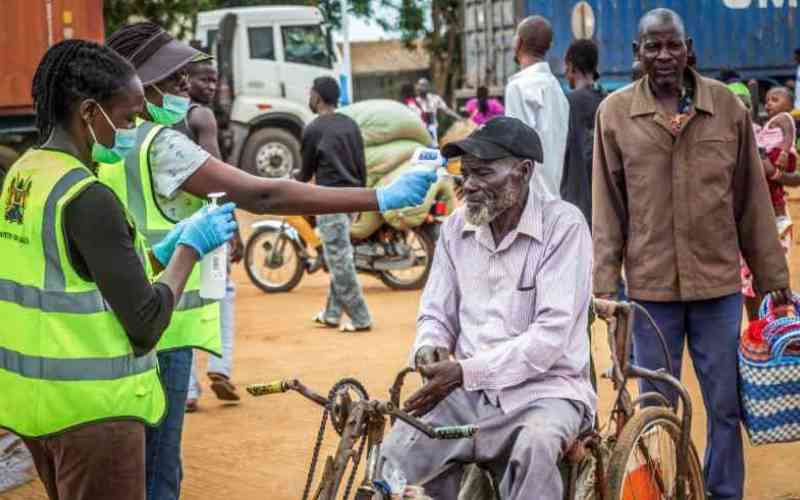
Kenya is stepping up Ebola preparedness at Jomo Kenyatta International Airport and three western border crossings following an imported case of Bundibugyo Ebola virus disease and further infections among contacts, with regional health body ECSA-HC rolling out a seven-point package to strengthen the country’s response.
The East, Central and Southern Africa Health Community (ECSA-HC), working with the Ministry of Health, launched the regional preparedness package in Nairobi on October 22, targeting JKIA, Busia, Malaba and Lwakhakha border points.
The intervention seeks to strengthen traveller screening, disease surveillance, emergency response and protection of frontline health workers amid rising cases of the virus in the Democratic Republic of Congo (DRC).
The package includes assessments to identify gaps at entry points, emergency simulation exercises, harmonised screening and referral procedures, digital surveillance, 21-day traveller follow-up, infection prevention measures and improved laboratory readiness.
ECSA-HC Director General Dr Ntuli A. Kapologwe said border preparedness was critical in preventing the disease from spreading between countries.
“Ebola can cross a country, and a continent, in days, by road and by air. A Point of Entry is the first line of defence, and it is only as strong as the people, procedures and information flows behind it,” he said.
The regional organisation has been implementing cross-border Ebola preparedness measures since May 2026 through the World Bank-funded Health Emergency Preparedness, Response and Resilience Programme.
Following a rise in cases in the DRC in August, ECSA-HC intensified interventions targeting 30 high-risk points of entry along 16 major mobility corridors across 10 countries. By October 22, activities had reached nine entry points along the Zambia-DRC, Zambia-Zimbabwe and Rwanda-DRC borders.
Kenya was prioritised following the imported case and subsequent infections among contacts, prompting the regional body to direct additional support to four strategic entry points.
Dr Daniel Lang’at, head of disease surveillance at the Kenya National Public Health Institute, said prevention was the country's immediate priority.
“If we focus on preventing the disease, this is our priority now; we can be able to contain the virus. We believe this package that has been launched today will support our efforts as a country,” he said.
Port health officials said screening had been intensified for travellers entering through airports, land borders and maritime points. Suspected cases are isolated for further assessment and referral under established procedures.
The package will also train frontline personnel on the safe use of personal protective equipment and strengthen procedures for collecting, packaging and transporting samples for testing.
Community informants will be incorporated into event-based surveillance to help identify and report unusual events that could signal a public health threat.
Stay informed. Subscribe to our newsletter
ECSA-HC said the programme was designed to complement Kenya’s existing preparedness plans and surveillance systems, while improving coordination between neighbouring countries.
The regional body is working with national health authorities and partners, including the World Health Organisation, Africa CDC and the International Organisation for Migration, to strengthen preparedness against cross-border health threats.








Subscribe to our newsletter and stay updated on the latest developments and special offers!