×

The Standard e-Paper
Smart Minds Choose Us
 The Standard Group Plc is a
multi-media organization with investments in media platforms spanning newspaper
print operations, television, radio broadcasting, digital and online services. The
Standard Group is recognized as a leading multi-media house in Kenya with a key
influence in matters of national and international interest.

Audio By Vocalize
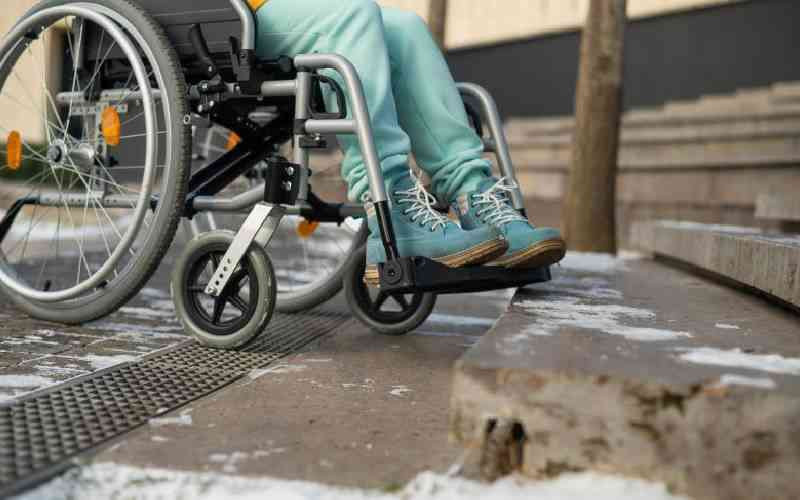
The KRA’s draft regulations on tax exemption for persons living with disabilities (PLWDs) reveal just how misunderstood this category of citizens is.
Let me start by stating that no one looks at disability as a privilege card. At least no one I know. I will use my own experience to explain why I find the proposed framework so detached from the realities of those living with a disability.
I received a hearing-loss diagnosis after years of uncertainty and misdiagnosis. The delay came at a cost. By the time I finally got answers, the loss was already advanced. The recommended intervention? Hearing aids.
My first pair cost Sh140,000. I was between jobs, and it took several months to afford them. My basic insurance at the time could not cover for the devices, the numerous audiology tests or the programming required to make the devices work. The delay meant my hearing deteriorated further.
In the middle of all this, I was also job hunting. It was a herculean task. Interviews were particularly difficult because I struggled to communicate with panel members.
After one disastrous interview, I was almost ready to give up altogether when three opportunities came through. Two were attractive communications roles with established PR firms, while the third was in a field I had only minored in.
I chose the latter. Its back-office nature meant fewer interactions requiring the level of hearing and communication that the other two fast-paced roles demanded. I chose my wellbeing. It was the right decision for my health, but a professional and financial compromise. That too was a cost to my condition,
One year later, tests showed I needed a different set altogether. My condition was classified as severe bilateral hearing loss. The new set would cost Sh375,000. Not to worry, I had insurance, right? Wrong. My regular Clinic told me SHA would not cover for the devices. I subsequently learned that SHA applied only to children below 18, with a once in a lifetime cover. I was on my own.
My audiologist encouraged me to sign up for a disability certificate which might make me eligible for tax relief. I paid for the required tests to support the medical report I needed from a county facility. That is where I encountered the percentages theory. My assessment came to 19 per cent. I needed 25 per cent to qualify for consideration for a disability certificate, before I could even apply for tax exemption.
I remember looking at that 19 per cent report, conflicted. Here I was, holding two different government documents: one suggesting I was not “disabled enough” to qualify for certification, while the other, a medical assessment, classified my hearing loss as severe and recommended more advanced hearing aids.
KRA’s draft proposes different levels of tax exemption based on the classification and severity of disability. For hearing impairment, moderate to severe hearing loss attracts an exemption of 50 per cent of the eligible amount, while profound hearing loss qualifies for 100 per cent exemption on the first Sh150,000 earned.
But who decided that severity classification alone is an adequate measure of the financial implications of disability? Where does it account for assistive technology, specialised healthcare, repeated assessments, accessible communication and the opportunities people with supposedly “less severe” disabilities must sacrifice? Could my 19 per cent assessment, for instance, get me a discount on the hearing aids I desperately needed?
The proposed requirements for additional specialist reports, assessments at government facilities, an employer’s letter explaining the nature of an employee’s disability and its effect on their work, as well as physical appearances before an assessment committee, only compound the problem. Must people keep proving what they live with at every turn?
Like everyone else who is gainfully employed, persons living with disabilities are raising families, supporting loved ones, pursuing home ownership and trying to build a future. They do all this while navigating additional costs and barriers that others may never have to consider. Where is the fairness in a framework that fails to recognise this reality?
Stay informed. Subscribe to our newsletter
KRA has invited the public to submit views. I hope it listens. All PLWDs ask for is a tax policy that promotes equity. Tax relief should ease the economic burden of disability, not create another test for them to pass.





Subscribe to our newsletter and stay updated on the latest developments and special offers!