×

The Standard e-Paper
Join Thousands Daily
 The Standard Group Plc is a
multi-media organization with investments in media platforms spanning newspaper
print operations, television, radio broadcasting, digital and online services. The
Standard Group is recognized as a leading multi-media house in Kenya with a key
influence in matters of national and international interest.
The Standard Group Plc is a
multi-media organization with investments in media platforms spanning newspaper
print operations, television, radio broadcasting, digital and online services. The
Standard Group is recognized as a leading multi-media house in Kenya with a key
influence in matters of national and international interest.

Audio By Vocalize
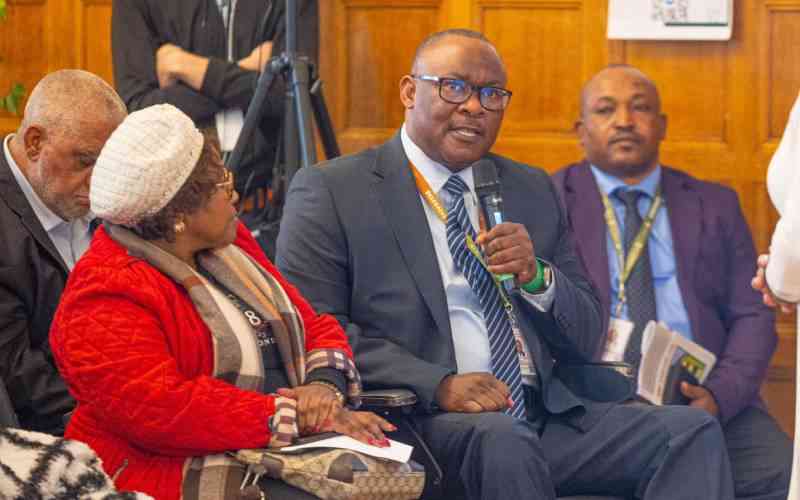
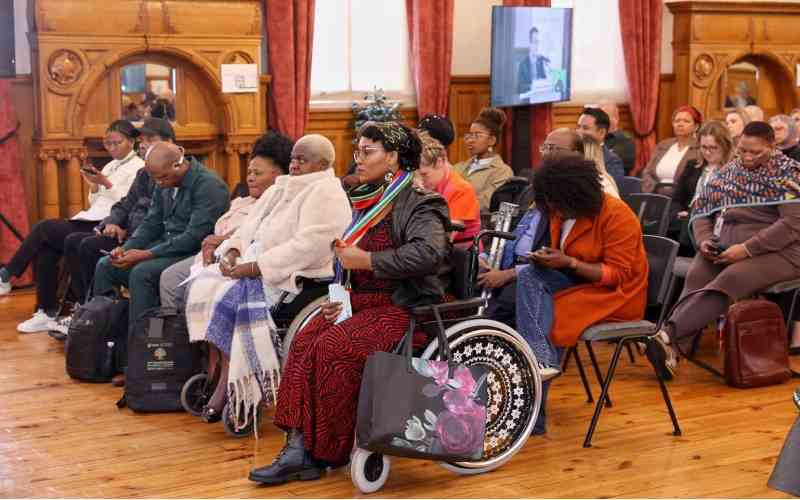
Legislators attending the 69th Commonwealth Parliamentary Conference (CPC) in Cape Town have raised concerns over what they described as persistent government failures to protect and promote the rights of persons living with disabilities, despite laws and policies intended to guarantee their inclusion.
During a session on how parliaments can legislate for disability inclusion, lawmakers from across the Commonwealth highlighted challenges ranging from weak implementation of disability laws and discrimination in employment to limited access to public services, business opportunities and accessible infrastructure.
The legislators said the gap between legislation and implementation continues to leave many persons with disabilities facing poverty, exclusion and discrimination.
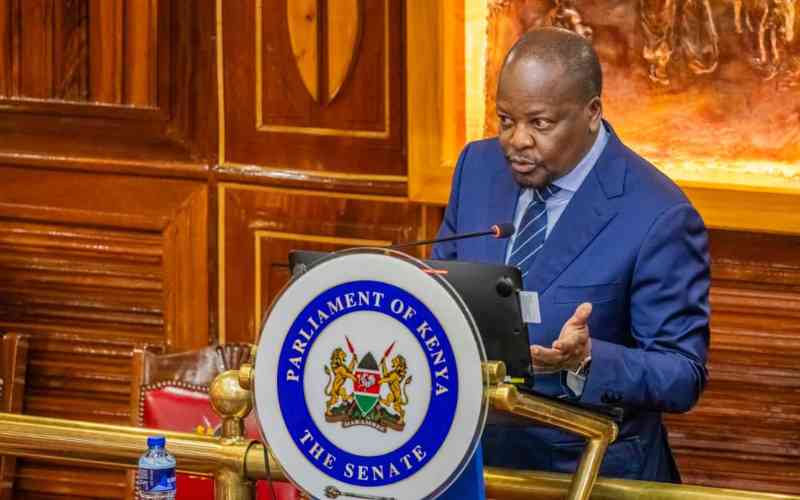
Westlands MP Tim Wanyonyi acknowledged that the country had made progress in establishing laws to protect persons with disabilities but said enforcement remained a major concern.
“We have seen cases where PLWDs have been excluded from appointments to senior government positions. Such decisions kill the spirit of inclusivity,” Wanyonyi told the conference.
He said qualified persons with disabilities were sometimes overlooked when government positions were being filled, despite having the necessary qualifications.
“We have PLWDs who have the qualifications for positions in government but are bypassed in appointments,” he said.
Wanyonyi also highlighted concerns over the retirement age of public servants with disabilities. He said some disabled employees were being retired at 60 despite legislation allowing them to serve until 65.
“I have handled many cases involving disabled public servants forced to retire at 60, contrary to the law that allows them five more years,” he said.
The legislator further raised concerns over access to jobs and government procurement opportunities, saying existing affirmative-action provisions were not being adequately implemented.
“The law clearly states that at least 30 per cent of government tenders should be reserved for PLWDs, but that does not happen in many government departments,” Wanyonyi said.
He criticised explanations sometimes given by government officials during parliamentary oversight hearings that persons with disabilities either did not apply for available positions or lacked the capacity to undertake government contracts.
While Wanyonyi noted that Parliament had made progress in improving accessibility within its buildings, he said many public and private institutions remained difficult or impossible for persons with disabilities to access.
He called for stronger enforcement of existing accessibility laws rather than relying solely on the enactment of new legislation.
South African lawmakers echoed the concerns, with Tsehofatso Chauke criticising what she described as inadequate legislative and policy support for persons with disabilities.
Stay informed. Subscribe to our newsletter
“It is embarrassing that South Africa, a country perceived as a developed state, has no laws to address issues affecting PLWDs. They have left such unfortunate people on their own,” Chauke said.
She also pointed to inadequate funding for the government department responsible for disability affairs, arguing that limited resources hinder efforts to meet the needs of persons with disabilities.
“I am lucky that, as a blind legislator, I can easily access essential services, but other ordinary disabled people cannot access basic needs,” she said.
Chauke attributed the continuing challenges to inadequate political commitment and weak implementation of policies.
Chairing the session, Marlene Le Roux urged Commonwealth legislators to use parliamentary oversight and lawmaking to strengthen disability inclusion.





Subscribe to our newsletter and stay updated on the latest developments and special offers!








 join
join