×

The Standard e-Paper
Kenya's Bold Newspaper
 The Standard Group Plc is a multi-media organization with investments in media
platforms spanning newspaper print operations, television, radio broadcasting,
digital and online services. The Standard Group is recognized as a leading
multi-media house in Kenya with a key influence in matters of national and
international interest.
The Standard Group Plc is a multi-media organization with investments in media
platforms spanning newspaper print operations, television, radio broadcasting,
digital and online services. The Standard Group is recognized as a leading
multi-media house in Kenya with a key influence in matters of national and
international interest.

Audio By Vocalize
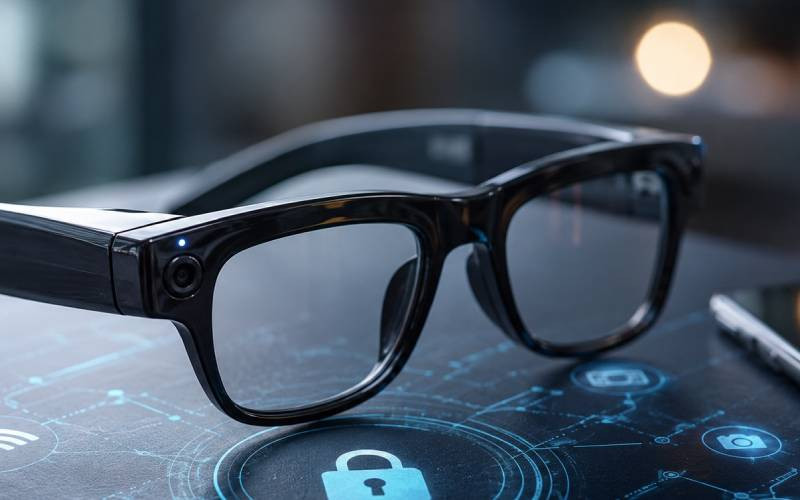
Privacy concerns have grown in East Africa over the use of smart glasses as experts warn that wearable devices are advancing faster than regulation and public awareness.
Cybersecurity specialists say the technology, which combines cameras, microphones and artificial intelligence tools, is becoming more common in everyday life and raising questions about how personal data is captured in public spaces.
“Smart glasses are no longer niche gadgets or futuristic devices,” said Allan Juma, Lead Cyber Security Engineer at eset.com, adding that awareness, regulation and governance are lagging.
Industry figures show EssilorLuxottica and Meta sold more than seven million Ray-Ban and Oakley smart glasses in 2025, reflecting growing global adoption.
The devices allow users to capture images and video while also processing information in real time through built-in artificial intelligence features.
Privacy campaigners say the shift is creating new challenges for bystanders in public spaces.
“People can now potentially identify strangers, gather personal information about them and distribute recordings instantly across digital platforms,” Juma noted, warning that bystanders face rising exposure risks.
Concerns have also been raised following international media reports on the misuse of wearable recording devices in public settings, including cases involving covert filming and online sharing of content.
Experts say the risks extend beyond privacy, noting that smart glasses are connected devices that rely on cloud services and wireless networks.
“If a device is compromised, attackers can potentially access everything the wearer sees and hears,” Juma explained.
Legal experts note that Kenya’s Data Protection Act, 2019, provides a framework for handling misuse of personal data, including unauthorised use of images.
Uganda has also indicated plans to review its data protection laws to address emerging artificial intelligence technologies.
Authorities and experts are urging greater public awareness about the use of recording-enabled devices in shared spaces such as transport hubs, offices and public venues.
“The reality is that smart glasses are already changing the boundaries of privacy,” Juma observed.
Stay informed. Subscribe to our newsletter



Subscribe to our newsletter and stay updated on the latest developments and special offers!








 join
join