×

The Standard e-Paper
Kenya's Bold Newspaper
 The Standard Group Plc is a multi-media organization with investments in media
platforms spanning newspaper print operations, television, radio broadcasting,
digital and online services. The Standard Group is recognized as a leading
multi-media house in Kenya with a key influence in matters of national and
international interest.
The Standard Group Plc is a multi-media organization with investments in media
platforms spanning newspaper print operations, television, radio broadcasting,
digital and online services. The Standard Group is recognized as a leading
multi-media house in Kenya with a key influence in matters of national and
international interest.

Audio By Vocalize
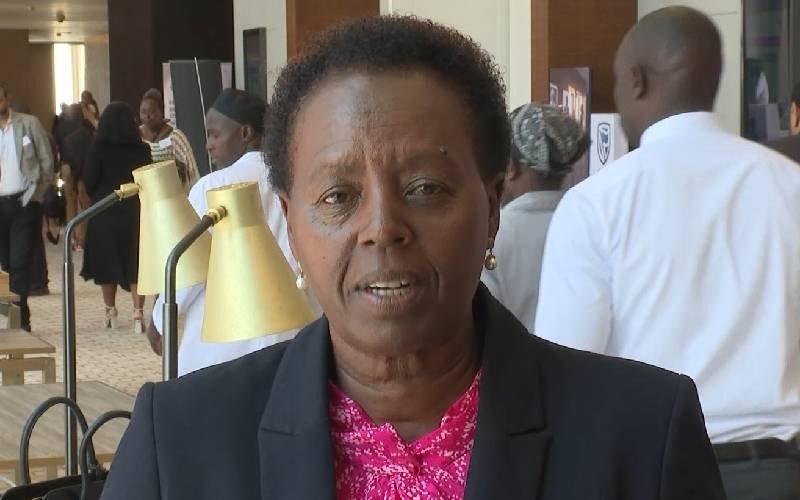
East African sector players have called on businesses to build the capability of digital and artificial intelligence within their organisations.
While gathering in Nairobi, the meeting comprised senior business leaders who explored how African organisations can navigate AI-driven business transformation and the future of work.
Organised by SeamlessHR and KPMG East Africa, the meeting also shared insights, including how AI is affecting jobs and skills, how companies can improve productivity, how HR and technology teams can work more closely together, and how leaders can use data to make better decisions.
The exclusive roundtable further focused on how artificial intelligence is changing the way organisations work, make decisions, and grow.
Among the participants were CEOs, managing directors, chief human resources officers, chief technology officers, finance leaders, and senior government representatives.
The aim was to share practical insights on how businesses can adapt to new technology and prepare their people and systems for change.
Jane Karuku, Group Managing Director and CEO of EABL, in her remarks, said AI is no longer a future issue, but a present reality that is already changing how organisations operate across the East African region.
While highlighting the need for stronger partnerships between advisory firms and technology providers to help organisations move from strategy to action, Ms Karuku said businesses must continuously build the capability of digital and AI in their organisations.
“Businesses must keep building the capability of their employees and the total organisation from board to the bottom of the pyramid to make sure that these tools are used efficiently and in line with the regulations in a country and policies within the organisation,” she said.
Her remarks were echoed by Ladi Asuni, Partner, Technology Advisory, KPMG West Africa, who said organisations in Africa are at a turning point.
According to him, the decisions leaders make now about technology, people, and data will determine how competitive they are in the next decade.
“Investing in AI, tools and technology to help your business to pivot to the next level is going to be critical. So that one single investment that business owners will be making in terms of making the processes more efficient, hiring the right people that then help them be sustainable,” he said.
Andrew Njonjo, Head of Enablement for business and commercial clients at Stanbic Bank, said hiring the right people, internal chain management and having executive buy-in from the top makes more sense for everyone else to want to jump in on.
Stay informed. Subscribe to our newsletter
Adding to this, Irfan Keshavjee, Chairman, SeamlessHR East Africa, said: “The future of work in Africa will depend on how well organisations understand their people data and translate it into action. Technology must make work simpler, not more complex, and help leaders build stronger, more responsive teams.”


Subscribe to our newsletter and stay updated on the latest developments and special offers!









 join
join