×

The Standard e-Paper
Read Offline Anywhere
 The Standard Group Plc is a multi-media organization with investments in media
platforms spanning newspaper print operations, television, radio broadcasting,
digital and online services. The Standard Group is recognized as a leading
multi-media house in Kenya with a key influence in matters of national and
international interest.
The Standard Group Plc is a multi-media organization with investments in media
platforms spanning newspaper print operations, television, radio broadcasting,
digital and online services. The Standard Group is recognized as a leading
multi-media house in Kenya with a key influence in matters of national and
international interest.

Audio By Vocalize

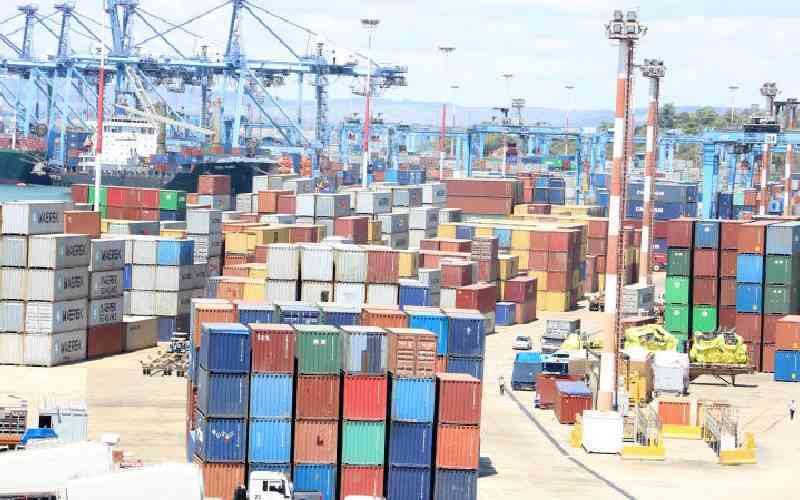
For years, traders within the East African Community (EAC) have grappled with barriers that stifle the seamless movement of goods and people. These traditional hurdles, which range from police roadblocks and lengthy border clearance procedures to protectionist import restrictions on agricultural produce, have long hampered deeper regional integration.
However, as the EAC tries to resolve these legacy issues, a new frontier of complexity has emerged; the rise of professional and digital services. New challenges are emerging, including disjointed regulatory frameworks and inconsistent licensing, restricting trade in services.

Subscribe to our newsletter and stay updated on the latest developments and special offers!










 join
join