×

The Standard e-Paper
Fearless, Trusted News
 The Standard Group Plc is a
multi-media organization with investments in media platforms spanning newspaper
print operations, television, radio broadcasting, digital and online services. The
Standard Group is recognized as a leading multi-media house in Kenya with a key
influence in matters of national and international interest.
The Standard Group Plc is a
multi-media organization with investments in media platforms spanning newspaper
print operations, television, radio broadcasting, digital and online services. The
Standard Group is recognized as a leading multi-media house in Kenya with a key
influence in matters of national and international interest.

Audio By Vocalize

Members of the National Assembly have raised alarm over a Sh6.6 billion funding shortfall in the school feeding programme targeting vulnerable children in arid and semi-arid areas (ASALs).
Lawmakers sitting in the Public Investments Committee on Governance and Education heard that the National Council for Nomadic Education in Kenya (Naconek) requires Sh8.3 billion annually to sustain the programme but has only been allocated Sh1.7 billion in the current budget.
The legislators warned that the shortfall could expose thousands of learners to the risk of dropping out of school, especially amid the ongoing drought.
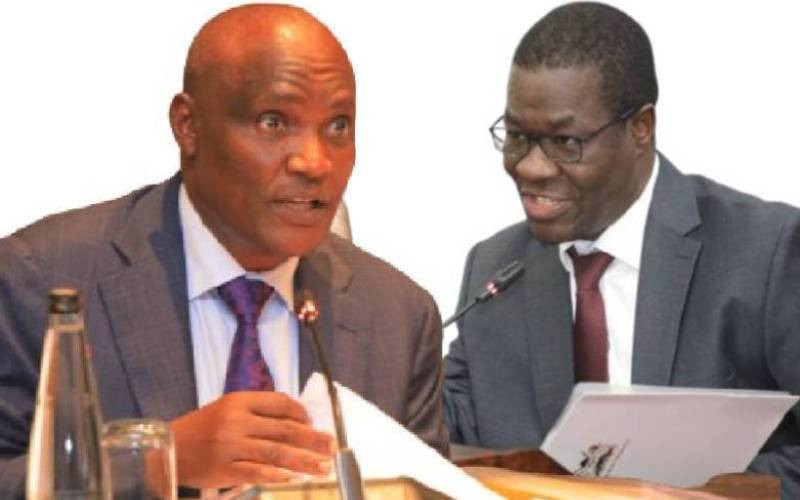
Naconek Chief Executive Officer Harun Yussuf, appearing before the committee, said the underfunding would severely disrupt service delivery and could trigger unprecedented school dropouts.
“We have a serious gap in the school feeding programme. The cost of feeding a child is Sh22 per day for about 51 days, requiring approximately Sh8.3 billion, but we have only been allocated Sh1.7 billion,” said Yussuf.
He was responding to queries arising from the Auditor-General’s reports for the 2021–22, 2022–23 and 2023–24 financial years.
Yussuf told MPs that the council is working with the National Treasury to streamline capitation but, in the meantime, will scale down to providing porridge as a stop-gap measure.
Beyond food provision, Naconek also faces major infrastructure gaps, particularly in the construction of modern school kitchens.
Yussuf noted that while parents in many parts of the country support school feeding initiatives, communities served by the council often lack the capacity to build proper facilities.
“It is the responsibility of government to establish kitchens at school level, but we do not have the budget for that. We have only piloted clean energy cooking in six schools and are expanding to 14 more, but funding remains inadequate,” he said.
Lawmakers acknowledged the challenges and called for increased funding and policy support to sustain the programme.
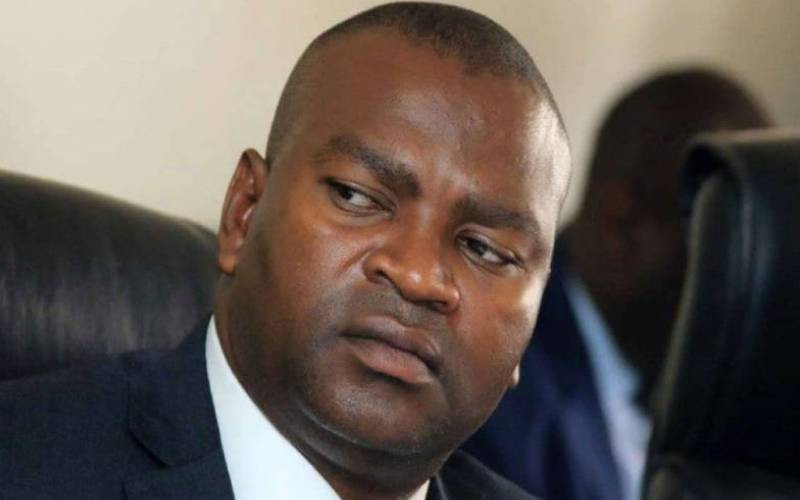
Sotik MP Julius Sigei said school feeding programmes are a lifeline for learners in marginalised communities.
“These are people who have been neglected for a long time. We must enhance resources to uplift them while ensuring safety standards are not compromised,” he said.
Narok Woman Representative Rebecca Tonkei warned that expecting poor communities to build modern kitchens could push children out of school.
“These are very poor communities. If you ask parents in such areas to build modern kitchens, children will drop out of school. We must support them to ensure learners can eat in a clean and safe environment,” she said.
Stay informed. Subscribe to our newsletter
Lunga Lunga MP Chiforomodo added that quality standards should not be compromised.
“These are Kenyan children and must have access to clean, modern kitchens. The council should seek more resources to meet these standards,” he said.
The committee also questioned irregular disbursement of funds, which has reportedly led to delays in food deliveries in some regions.
MPs noted that the Auditor-General had flagged cases where schools went for months without receiving food, undermining the programme’s effectiveness.
Kasipul MP and committee chair Boyd Were said the House team would make recommendations to address both funding and operational gaps.
“This matter is before the committee, and we will make recommendations to ensure you receive adequate funding to resolve these challenges,” he said.
To address chronic underfunding, MPs proposed granting Naconek greater autonomy to improve efficiency and resource mobilisation.
Bomachoge Chache MP Alpha Miruka said Parliament could push for increased funding and involve senior officials in the Education Ministry to resolve the crisis.
“I think the issue of resources is critical. As a committee, we can recommend increased funding and even involve the Education Cabinet Secretary and Principal Secretary to ensure these concerns are addressed,” he said.
Lawmakers also warned that budget cuts have undermined efforts to support vulnerable learners.
They are now pushing for reforms to ensure consistent funding, improved infrastructure, and stronger oversight of the programme.
Without urgent intervention, MPs cautioned, funding gaps could reverse gains made in improving access to education in marginalised and nomadic communities, where school feeding programmes remain a key driver of enrolment and retention.

Subscribe to our newsletter and stay updated on the latest developments and special offers!








 join
join