×

The Standard e-Paper
Join Thousands Daily
 The Standard Group Plc is a
multi-media organization with investments in media platforms spanning newspaper
print operations, television, radio broadcasting, digital and online services. The
Standard Group is recognized as a leading multi-media house in Kenya with a key
influence in matters of national and international interest.
The Standard Group Plc is a
multi-media organization with investments in media platforms spanning newspaper
print operations, television, radio broadcasting, digital and online services. The
Standard Group is recognized as a leading multi-media house in Kenya with a key
influence in matters of national and international interest.

Audio By Vocalize
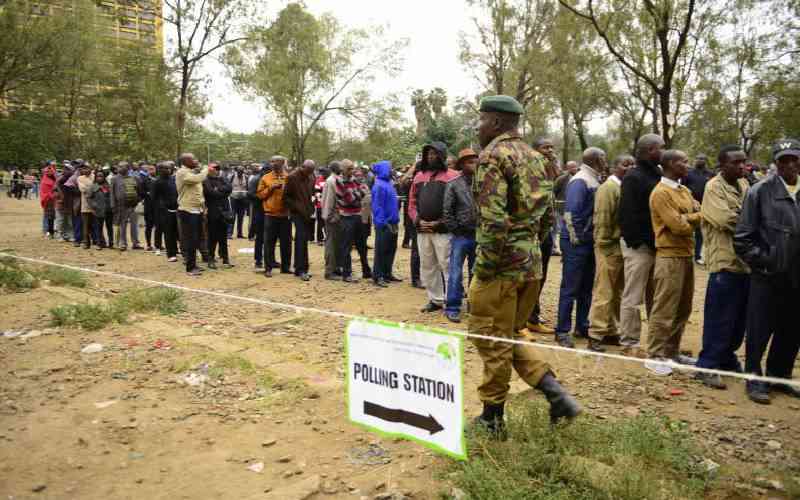
The Diaspora Bicameral Parliamentary Framework (DBPF) caucus is now pushing for the introduction of 15 diaspora constituencies through implementation of the long overdue boundaries review and delimitation exercise.
To ensure equality of the vote and full inclusion of all Kenyan citizens in the 2027 general elections, the caucus has called for the fast tracking of the exercise to put an end the “disenfranchisement of diaspora voters” who are mostly required to travel back to Kenya to vote.
Apart from 15 diaspora constituencies in the National Assembly, one diaspora seat in the Senate, The DBPF also seeks the establishment of a secure digital and online voting system to ensure a broad equitable participation.
“DBPF Caucus respectfully calls upon the Independent Electoral and Boundaries Commission (IEBC) to commence the boundary review process, Parliament to support diaspora enfranchisement in line with constitutional obligations, and State Department for Diaspora Affairs to champion electoral modernisation, including secure online voting,” said the caucus’ chairperson Ephraim Mwaura.
The group says Kenya cannot continue relying on diaspora remittances while excluding their voices from legislative decision-making process.
“Representation must follow the citizen, wherever they reside, and the creation of diaspora constituencies ensures that their voices are heard without the burden of long-distance travel.”
Diaspora remittances now exceed Sh1 trillion annually, making them Kenya’s most stable and reliable source of foreign exchange. These disbursements have stabilized the Kenyan shilling through steady foreign-currency inflows, strengthened national forex reserves, sustained household consumption, reduced poverty and supported the banking sector through increased deposits and liquidity.
They have also fueled real estate construction and SME investment, provided counter-cyclical protection during crises such as COVID-19, reduced reliance on external borrowing, supported national development priorities in education, health, and entrepreneurship, and enhanced Kenya’s global economic integration through investment, skills transfer, and international partnerships.
Mwaura explained that establishment of diaspora constituencies should allow voters to be reassigned to polling stations within their regions of residence, ensuring meaningful and equitable participation.
For this to happen, Mwaura says, boundary delimitation must be conducted in a timely manner, completed transparently, and formally gazetted well ahead of the 2027 General Election.
Any further delay, he warns, would perpetuate the disenfranchisement that diaspora citizens have faced for more than a decade.
Subscribe to our newsletter and stay updated on the latest developments and special offers!











 join
join