×

The Standard e-Paper
Fearless, Trusted News
 The Standard Group Plc is a
multi-media organization with investments in media platforms spanning newspaper
print operations, television, radio broadcasting, digital and online services. The
Standard Group is recognized as a leading multi-media house in Kenya with a key
influence in matters of national and international interest.
The Standard Group Plc is a
multi-media organization with investments in media platforms spanning newspaper
print operations, television, radio broadcasting, digital and online services. The
Standard Group is recognized as a leading multi-media house in Kenya with a key
influence in matters of national and international interest.

Audio By Vocalize
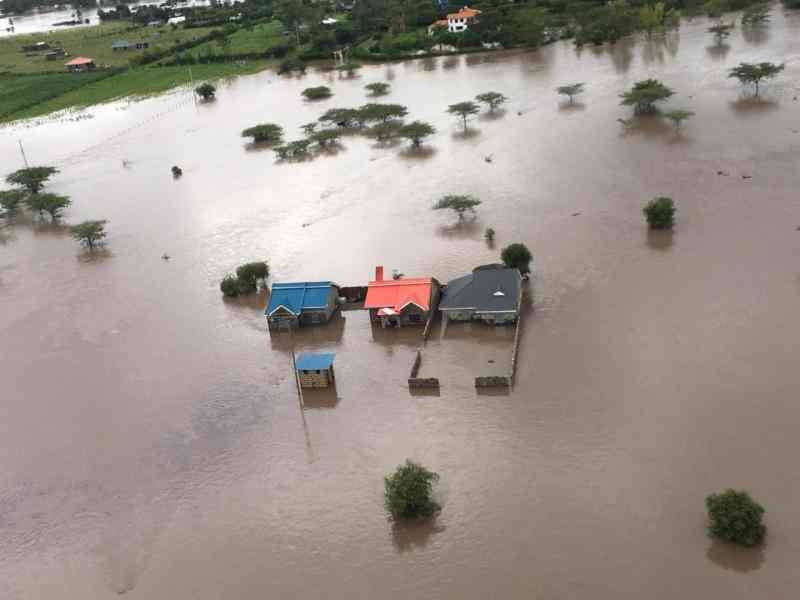
Every few years, Mother Nature sends a warning on global warming and climate change. This year, it has sent several signals. Recently, catastrophic floods killed 1,355 people near the border of Nepal and China. Hundreds of others are still missing and hopes of finding survivors are fading. Many climate scientists are not surprised that the disaster occurred, arguing that climate change likely triggered the glacier collapse that led to the floods.
Closer to home, the Kenya Meteorological Department has flagged elevated risks of El Niño bringing above-normal rainfall across much of the country from October onwards. Accordingly, they predict extreme effects of the heavy rains, including flooding. For the business community in Kenya, these warnings should be a call to act and should not be ignored. One way to manage this risk is to insure businesses.
Between 1997 and 1998, El Niño rains caused heavy flooding in Kenya. There was devastating destruction of roads, buildings, and crops. Supply chains were disrupted and communities displaced. Losses ran into billions of shillings. The businesses that survived physical destruction did not survive the financial aftermath. All this happened due to under-preparedness and lack of information.
Decades later, despite the huge expansion of technology, unlimited information, and visible signals, the pattern of under-preparation persists. Insurance remains one of the most neglected tools in managing business risks.
In Kenya, Insurance penetration remains very low, around 3 per cent of GDP. Most small and medium enterprises operate without insurance. When the rains come and a warehouse floods, stock is destroyed, or a key access road becomes impassable for weeks, the uninsured business owner absorbs all the loss. Many never recover. Despite this, and the low penetration rates, the insurance products have matured significantly to cover such losses.
Several insurance products exist across several categories. Property and asset insurance covers physical damage to business premises, equipment, and inventory, which are the most vulnerable during flooding events. On the other hand, business interruption insurance covers lost revenue during periods when businesses cannot operate normally. Logistics and transport operators should review their goods-in-transit cover, particularly for routes known to flood or become inaccessible during heavy rains. Businesses with significant physical assets in flood-prone areas should review their existing policies to confirm whether damage is covered by natural calamities, including floods.
While the El Niño forecast is not 100 per cent certain, and the rains may be milder than anticipated, it is important to note that risk management is not about certainty. It is about ensuring that when the worst-case scenario presents itself, the business has the financial capacity to absorb it and continue.
The cost of a policy premium pales in comparison to the existential threat of wiping out years of balance sheet growth in a single afternoon. If Kenyan businesses are to survive and thrive through upcoming rainy seasons, financial risk transfer must become as fundamental as locked doors and security guards. It is time to secure cover before the dark clouds gather.
Mr Omanga is a member of the Institute of Risk Managers East Africa Chapter.
Subscribe to our newsletter and stay updated on the latest developments and special offers!


 Prefer the Standard on Google









 join
join