×

The Standard e-Paper
Fearless, Trusted News
 The Standard Group Plc is a
multi-media organization with investments in media platforms spanning newspaper
print operations, television, radio broadcasting, digital and online services. The
Standard Group is recognized as a leading multi-media house in Kenya with a key
influence in matters of national and international interest.
The Standard Group Plc is a
multi-media organization with investments in media platforms spanning newspaper
print operations, television, radio broadcasting, digital and online services. The
Standard Group is recognized as a leading multi-media house in Kenya with a key
influence in matters of national and international interest.

Audio By Vocalize
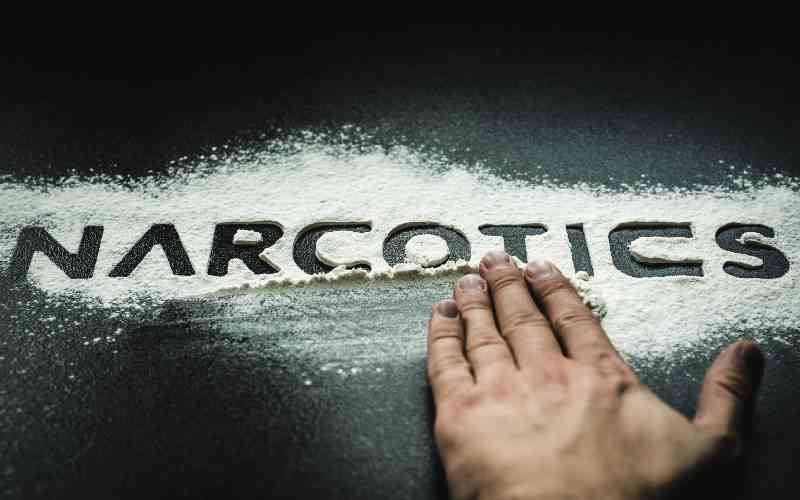
Kenya’s renewed fight against alcohol and drug abuse has entered a decisive phase. The Judiciary’s designation of special courts to handle narcotics-related cases is not merely an administrative adjustment; it is a powerful statement of intent.
It signals that the country is serious about dismantling drug networks and holding traffickers accountable, while aligning squarely with President William Ruto’s recent proclamation that the war on drugs must be prosecuted with urgency, coordination, and resolve.
For years, enforcement agencies have made commendable strides in intercepting illicit drugs, arresting suspects, and disrupting supply chains. However, complex narcotics cases have dragged on in overburdened courts, undermining deterrence and emboldening criminal networks.
By creating specialised courts with the capacity and focus to fast-track these cases, the Judiciary has delivered a strong shot in the arm to the drug supply suppression pillar of our national strategy.
According to the National Authority for the Campaign Against Alcohol and Drug Abuse’s (Nacada) latest national survey, approximately one in every six Kenyans aged 15 to 65 years uses alcohol or another drug, translating to millions of lives being directly affected.
Alcohol remains the most abused substance, while the use of cannabis, miraa, prescription drugs, and emerging synthetics continues to rise. These numbers are not abstract statistics; they represent families under strain, workplaces losing productivity, and communities grappling with preventable harm.
At Nacada, we have consistently emphasised that supply suppression must be matched with equally robust demand reduction strategies. Arresting traffickers is essential, but if those already dependent on substances have nowhere to turn for help, the demand that fuels illegal markets persists. In that vacuum, new suppliers inevitably emerge.
Recent nationwide inspections of treatment and rehabilitation facilities revealed both progress and troubling gaps. While 135 facilities are now fully accredited, offering nearly 3,800 inpatient beds, the majority are privately owned and financially out of reach for many Kenyans.
We also found an acute shortage of public outpatient services and an alarming lack of specialised rehabilitation options for women and adolescents, two of the most vulnerable groups in our society. These gaps weaken demand reduction efforts and, by extension, blunt the long-term impact of enforcement.
This is why the President’s directive to establish a rehabilitation centre in every county is not just a policy ambition; it is a strategic necessity. When counties invest in accessible treatment, counselling, and reintegration services, they do more than restore individual lives. They reduce repeat offending, lower relapse rates, and shrink the consumer base that sustains illegal supply chains.
The designation of special narcotics courts, therefore, presents an opportunity that must be fully seized. It allows Kenya to synchronise justice with recovery. Traffickers face swift and certain consequences, while individuals struggling with addiction are channelled toward care, not perpetual criminalisation. This balanced approach strengthens public confidence and delivers more sustainable outcomes.
The fight against alcohol and drug abuse is ultimately about the kind of country we want to build. Nacada remains steadfast in advancing a comprehensive strategy that integrates supply suppression, demand reduction, and harm prevention.
The Judiciary’s action, backed by Dr Ruto’s clear commitment, gives this strategy renewed momentum. Now, all stakeholders, national and county governments, the justice system, and communities must play their part.
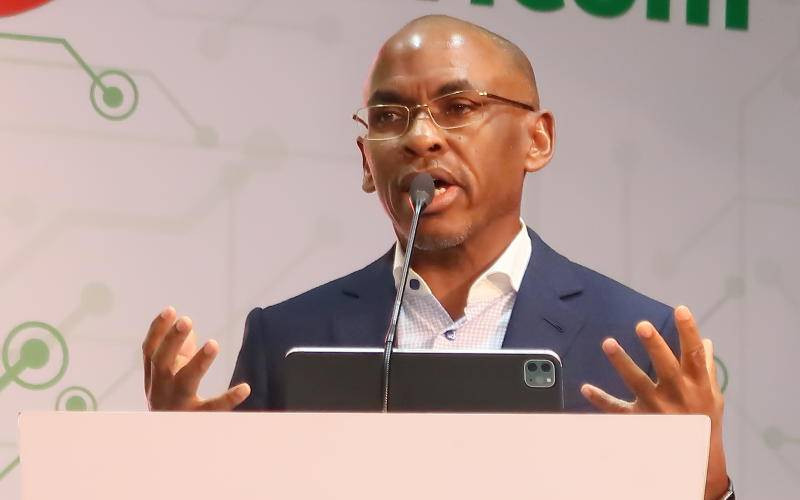
Dr Omerikwa is Chief Executive Officer, Nacada
Stay informed. Subscribe to our newsletter
Subscribe to our newsletter and stay updated on the latest developments and special offers!









 join
join