×

The Standard e-Paper
Fearless, Trusted News
 The Standard Group Plc is a
multi-media organization with investments in media platforms spanning newspaper
print operations, television, radio broadcasting, digital and online services. The
Standard Group is recognized as a leading multi-media house in Kenya with a key
influence in matters of national and international interest.

Audio By Vocalize
For a long time, shopping in Swahili at many market centres in Mt Kenya region would have attracted wide stares.
It wasn’t by design. Many of those areas remained insulated from outside languages, especially in non-academic day-to-day life.
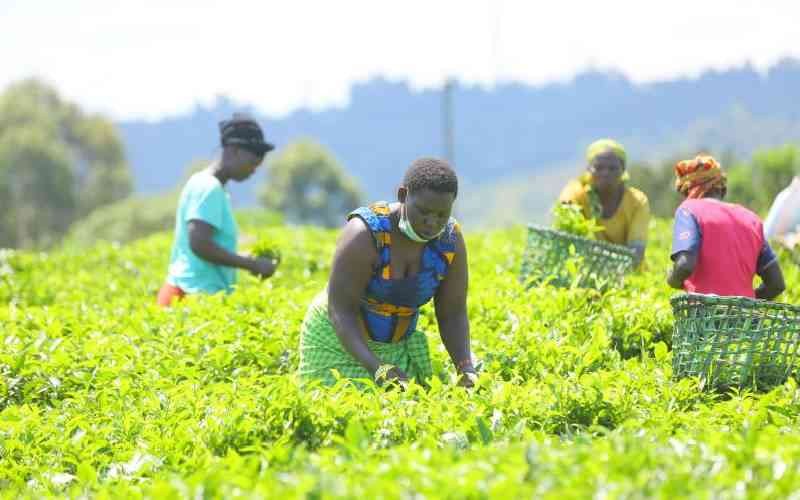
But shortage of tea harvesting labour suddenly disrupted the old order. The first influx of labourers offloaded by multinational tea factories found a safe haven in tea-growing regions in Kiambu, Murang’a, Nyeri, Kirinyaga, Embu and Meru. Today, some come from as far as across the borders.
With their children enrolled in public primary schools, even interactions among youngsters have changed considerably since then.
Tea pickers earn as high as Sh17 a kilo in Meru and as low as Sh13 in some areas, especially in Kiambu and Murang’a. The average picking rate for the East of the Rift Valley tea zone is about Sh15.
“It is a hide-and-seek game between growers. You pay low, you suffer the shortages. Absent farmers pay the highest rates because they have no option,” says Willy Mbugua of Mataara Factory.
Why there is a labour shortage amidst high unemployment rates is intriguing. One reason could be that young local men shun this labour, leaving it to women. According to Mbugua, this has given rise to widespread immigration of labourers from Western Kenya and, recently, from Uganda, Rwanda and Burundi.
“We are happy because this has stabilised the rates and improved reliability,” he adds. “I had a reliable Ugandan family on my farm for six years, and my harvest has never been higher.”
The farmer said his harvest plummeted when the Ugandan family left, and he hired a Kenyan from another part of the country.
KTDA used to oppose an increase in monthly payment rates from Sh15, arguing that this would lead to a sharp increase in harvesting rates.
What has remained unexplained is why factories have suddenly stopped promoting machine tea harvesting, which would cut costs and improve take-home for farmers.
Anne Nyathira of Ndarugu Factory says farmers' low absorption of harvesting machines was due to high entry costs of over Sh15,000 and quality issues, which could diminish your produce.
“I think factories could help if they promoted the absorption of machines by financing buyers,” says Nyathira.
Stay informed. Subscribe to our newsletter
Subscribe to our newsletter and stay updated on the latest developments and special offers!


 Prefer the Standard on Google