×

The Standard e-Paper
Kenya’s Boldest Voice
 The Standard Group Plc is a
multi-media organization with investments in media platforms spanning newspaper
print operations, television, radio broadcasting, digital and online services. The
Standard Group is recognized as a leading multi-media house in Kenya with a key
influence in matters of national and international interest.
The Standard Group Plc is a
multi-media organization with investments in media platforms spanning newspaper
print operations, television, radio broadcasting, digital and online services. The
Standard Group is recognized as a leading multi-media house in Kenya with a key
influence in matters of national and international interest.

Audio By Vocalize
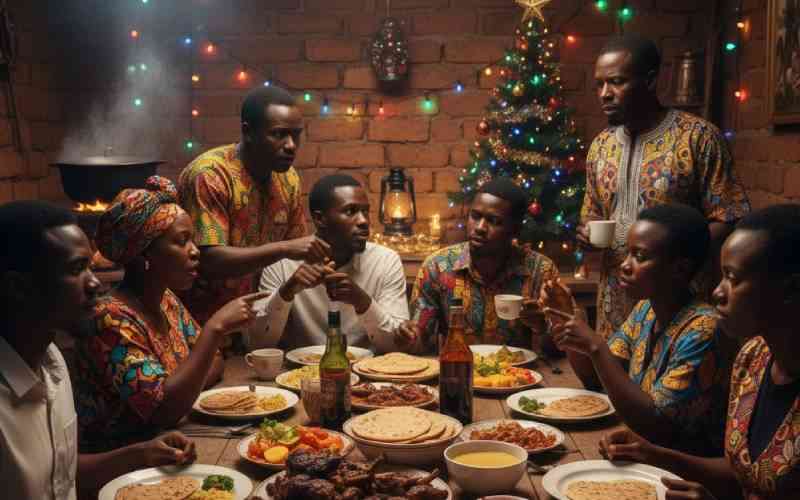
In Kenya, Christmas is not merely a holiday; it is a homecoming ceremony, a lifestyle audit, and a performance review rolled into one. The moment you step off the bus or park your car at the homestead, your parents switch roles. You may have survived Nairobi traffic, rent, and deadlines, but nothing prepares you for the festive season back home.
Below are ten types of Kenyan parents you are almost guaranteed to encounter during the Christmas season.
1. The evaluator
This role is usually assigned to the mother, and she executes it with professional precision. She needs no forms or questionnaires; she simply looks at you. "Mbona umekonda hivi?" Before you can answer, she has already concluded that city life is mistreating you. She inspects your weight, appetite, sleep patterns, job stress, and even the tone of your voice. Your phone habits are suspicious; your late nights are alarming. By the third day, she knows your entire life story and is convinced you are either overworked, heartbroken, umekaliwa na bibi, or hiding something serious.
2. The financial fleecer
This parent welcomes you warmly and ensures you eat well. Then, quietly, the requests begin. School fees for a grandchild who just "needs a small push. Shopping money for Christmas. A church contribution. Fuel money. Pesa ya chama. Before you know it, your December bonus has vanished into "parental needs. When you finally return to the city, your wallet is literally empty, and you are calling a friend to help you get back on your feet.
3. The interrogator
Usually, the father or a senior uncle who has been briefed about your arrival. He waits patiently until everyone is seated, then casually asks, "Sasa wewe una miaka ngapi?" At 35, the interrogation begins. Why are you still unmarried? When should the family expect a daughter-in-law? When will the grandchildren arrive? He is not joking. He is planning his legacy, and your single status is a delay in the family timeline-and a source of quiet distress.
4. The wife tester
If you arrive home with a wife, congratulations: you have entered the practical examination phase. Two days after Christmas, your wife is woken at 5 am to "help kidogo". She must fetch water, till the land, cook kienyeji chicken using firewood while braving moshi, wash utensils, and still smile respectfully. This is not cruelty; it is quality assurance. Your mother needs confirmation that the wife can survive village life, just in case, and, more importantly, keep her son intact.
5. The comparison champion
This parent has a neighbour's child for every occasion. "So-and-so's son bought land and built a very good house." "So-and-so's daughter recently got married and had a very good wedding." Even when you are doing well, someone else is doing better. The comparisons are meant to "motivate" you into following in the footsteps of the neighbour's children.
6. The criticiser
She is never delighted with your progress or achievements. Your job is good, but not good enough; you should look for a better one. Your house is nice-but in the wrong place, and it needs upgrading. Your partner is polite-but "anaweza jituma zaidi; she does not need to stay idle in the house." Nothing escapes her scrutiny. Compliments are rare, and when they appear, they are quickly followed by a devastating "lakini..."
7. The church ambassador
Stay informed. Subscribe to our newsletter
Christmas comes with a spiritual syllabus. You must attend all services: Christmas Eve, Christmas Day, Thanksgiving, and any additional prayers announced along the way. Your presence in church is proof that your parents raised you well-and that the village should respect them.
8. The village broadcaster
Nothing remains confidential. The moment you arrive at the homestead, the entire village is informed. Within 30 minutes of settling in, aunties and former primary school classmates are knocking, demanding chai and updates. Privacy takes a full holiday during Christmas.
9. The traditionalist
Your mother will remind you that "hapa kwetu" we use a three-stone jiko, not a gas stove. City habits are suspicious, modern ideas are questioned, and tradition must be respected-especially when it inconveniences you. Christmas becomes a cultural refresher course. If you insist on doing things the modern way, you will be branded a wayward child.
10. The emotional blackmailer
As you prepare to leave, he sighs deeply. "Unarudi lini tena?" "Umetuacha tena sisi wazee."
"Unataka kutuacha upweke na unaona vile tunaishi hapa?" Suddenly, your departure feels like abandonment. You leave with guilt, leftovers and instructions to call frequently. You also realise that even the shopping you brought home was finished before your holiday ended.

Subscribe to our newsletter and stay updated on the latest developments and special offers!










 join
join