×

The Standard e-Paper
Home To Bold Columnists
 The Standard Group Plc is a
multi-media organization with investments in media platforms spanning newspaper
print operations, television, radio broadcasting, digital and online services. The
Standard Group is recognized as a leading multi-media house in Kenya with a key
influence in matters of national and international interest.
The Standard Group Plc is a
multi-media organization with investments in media platforms spanning newspaper
print operations, television, radio broadcasting, digital and online services. The
Standard Group is recognized as a leading multi-media house in Kenya with a key
influence in matters of national and international interest.
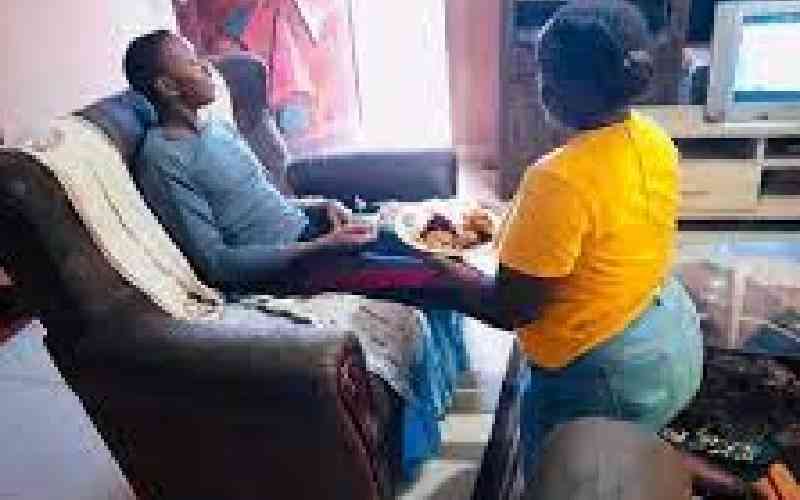
Countless times, I have met people who arrogantly maintain that in their culture they do not engage in certain activities. Inevitably, some of those cultural practices that they so much respect are dangerous, unnecessary and uncouth not only to individuals but also to society. For example, female genital mutilation is still practiced in some communities. Burying the dead seated is another cringe-worthy culture to note.
A huge red flag and a tired topic of discussion on bad cultures is gender inequality especially in communities such as mine. Being born a Lembus (sub-tribe of Tugen, Kalenjin) can be a blessing in disguise. Our male counterparts are responsible and hardworking men. However, they should stop calling women children. It is normal for Kalenjin men to refer to their wives and kids as children, claiming they are all responsible for their needs. It is so demeaning and archaic to put a grown up woman at such a level, considering that bearing children alone for these men proves my point.
Subscribe to our newsletter and stay updated on the latest developments and special offers!







 join
join