×

The Standard e-Paper
Smart Minds Choose Us
 The Standard Group Plc is a
multi-media organization with investments in media platforms spanning newspaper
print operations, television, radio broadcasting, digital and online services. The
Standard Group is recognized as a leading multi-media house in Kenya with a key
influence in matters of national and international interest.
The Standard Group Plc is a
multi-media organization with investments in media platforms spanning newspaper
print operations, television, radio broadcasting, digital and online services. The
Standard Group is recognized as a leading multi-media house in Kenya with a key
influence in matters of national and international interest.

Audio By Vocalize

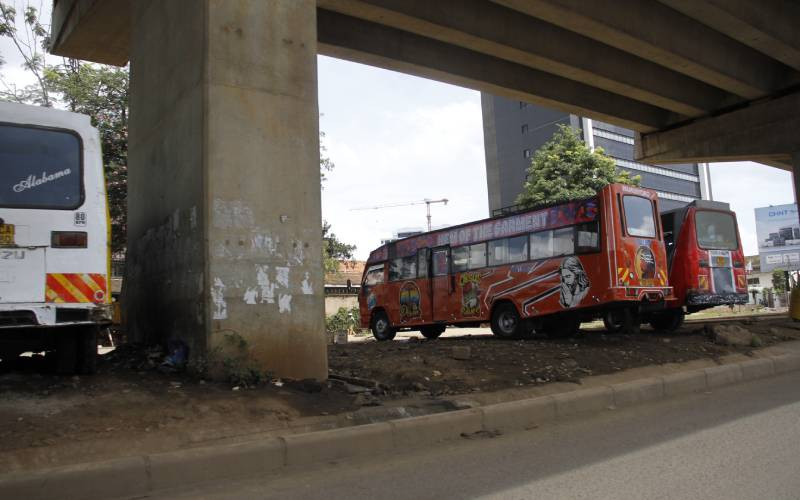
The ongoing fuel crisis and nationwide matatu go-slow have begun taking a heavy toll on the education sector, with several schools across the country recording low attendance, delayed learning, and in some cases complete closure as parents and teachers struggle with the disruptions.
A spot check conducted on Monday morning painted a grim picture of how the transport paralysis is rippling through classrooms, exposing the vulnerability of schools and families already weighed down by the rising cost of living.
At Jabali Christian School in Imara Daima, learning did not take place at all. The institution remained closed, with the gate guard turning away visitors and declining to comment on the situation.
Elsewhere, schools attempted to continue operating despite significant disruptions.
At Mukuru Community Centre, only a fraction of the learners reported to school, mainly those living within walking distance.
However, lessons continued as teachers from the surrounding area showed up for duty.
“The response was positive with almost all children present, but only the ones from around the area,” said the headteacher at Mukuru Community Centre.
“Pupils and teachers who use public transport could not get to school, but business is going on as usual, as the classes are already in session.”
At Embakasi Primary and Junior School, the situation was slightly better, though far from normal.
Senior teacher Kenneth Gichuru said the school had managed to record between 80 and 85 per cent attendance, largely from learners residing nearby.
“Teachers came hoping the day would be okay. Around this area, chaos is anticipated anytime, but learning is going to continue as we monitor the situation and come up with a solution by the end of the day or whenever necessary,” he said.
Outside school gates, anxious parents were seen picking up children or making arrangements to return home amid fears that the transport crisis could worsen as the day progressed.
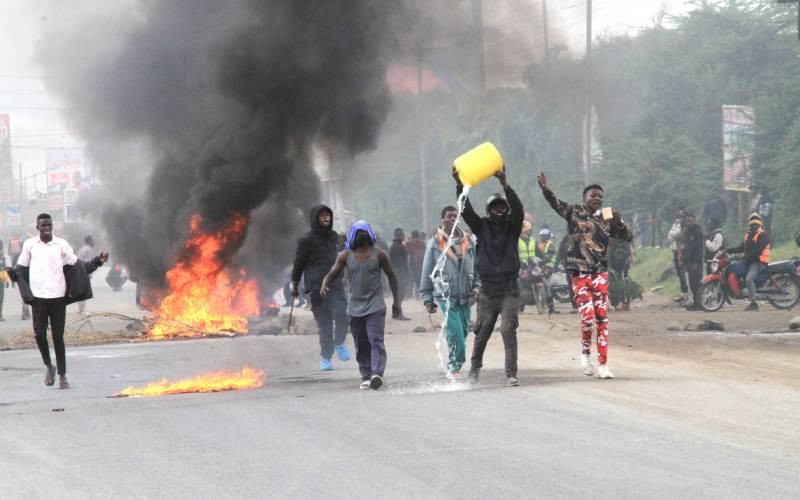
The disruption reflects a wider national crisis sparked by soaring fuel prices, which have triggered protests, transport disruptions, and mounting frustration among Kenyans grappling with the high cost of living.
Embakasi Central MP Mejjadonk described the situation as unfortunate, saying children had become unintended victims of the economic turmoil.
Stay informed. Subscribe to our newsletter
“The matatu strike is going to affect almost every sector of the economy. It is unfortunate that our kids have also gotten involved in the same,” he said.
“It is not a good picture, but we hope and pray the government intervenes and comes up with proper cautionary measures.”
Private schools, many of which rely heavily on transport services and privately sourced supplies, now say they are operating under immense financial strain.
Dr Paul Wanjohi, Director of the Sharp Education Centre and Chairman of faith-based private schools, warned that the fuel crisis was threatening not only daily school operations but also the affordability of education itself.
“We have all been affected by the rising fuel cost,” he said. “Private schools across the country have been adversely affected by the rising cost of not only fuel, but also the cost of living.”
According to Dr Wanjohi, the increased prices have pushed up the cost of food, instructional materials, transport, and staff operations, leaving many schools unable to sustain budgets prepared at the beginning of the year.
“What we had prepared at the beginning of 2026 has now become null and void because the prices of basic commodities have gone up,” he said.
He warned that many private schools may be left with no option but to increase fees to cushion themselves from mounting operational costs, a move he fears could force more parents to withdraw children from the institutions.
“If many private schools increase fees, some children may drop out while others may move to public schools that are already overcrowded,” he noted.
Dr Wanjohi also called on the government to reduce taxes on educational materials and cushion private schools from high operational costs, arguing that the sector plays a critical role in supporting access to education.
As the transport crisis deepens, some schools are already considering reverting to blended learning models similar to those adopted during the Covid-19 pandemic.
Dr Wanjohi revealed that schools had begun deploying online lessons for learners unable to attend physically.
“When we realised that some learners had not come to school, we organised our ICT department to ensure they continue learning from home,” he said.
However, he cautioned that online learning cannot fully replace classroom interaction, particularly for younger learners who benefit from physical engagement with teachers.
Education stakeholders now fear prolonged disruptions could widen inequality between learners who can access alternative learning arrangements and those entirely dependent on physical schooling and public transport.

Subscribe to our newsletter and stay updated on the latest developments and special offers!







 join
join