×

The Standard e-Paper
Stay Informed, Even Offline
 The Standard Group Plc is a
multi-media organization with investments in media platforms spanning newspaper
print operations, television, radio broadcasting, digital and online services. The
Standard Group is recognized as a leading multi-media house in Kenya with a key
influence in matters of national and international interest.
The Standard Group Plc is a
multi-media organization with investments in media platforms spanning newspaper
print operations, television, radio broadcasting, digital and online services. The
Standard Group is recognized as a leading multi-media house in Kenya with a key
influence in matters of national and international interest.

Audio By Vocalize
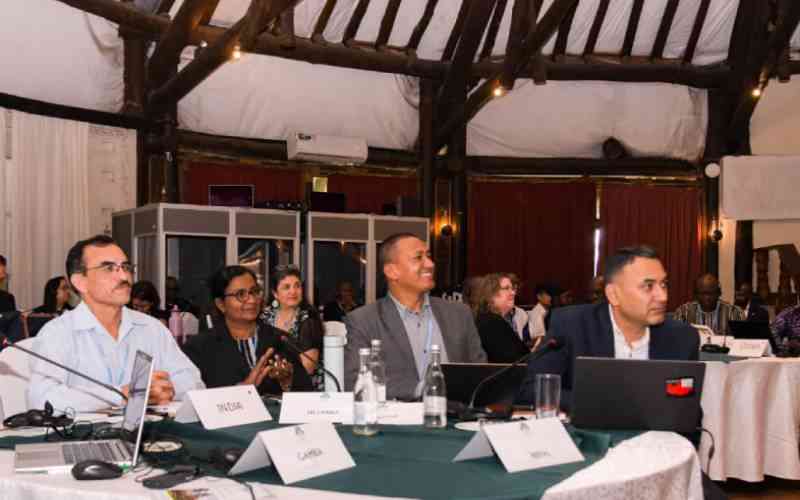
Kenya is cementing its position as a leader in forest conservation and climate diplomacy as Nairobi hosts the inaugural gathering of forest protection nations this week.
The three-day summit, running from Monday to Wednesday at Safari Park Hotel, has drawn delegates from 59 countries implementing the Reducing Emissions from Deforestation and Forest Degradation (REDD+) framework, four donor nations and 14 international climate organisations operating under the United Nations climate architecture.
Environment Cabinet Secretary Deborah Barasa told delegates that Kenya's selection as host was itself a signal of the country's standing in global climate circles.
"Kenya is recognised internationally as a leader in climate action, renewable energy development, ecosystem restoration and environmental diplomacy," noted Barasa.
Kenya arrived at the summit with a list of firsts. The country launched Africa's inaugural National REDD+ Registry, a digital platform designed to track forest-related emissions reductions and carbon credit generation, bringing transparency to a sector long criticised for opaque accounting.
It has also operationalised a National Safeguards Information System to protect the rights of indigenous peoples and local communities affected by climate programmes.
Barasa observed that Kenya had developed REDD+ nesting guidelines, instruments that allow smaller community and private-sector forest projects to plug into the national carbon accounting system, a step seen as critical for Kenya to access markets governed by Article 6 of the Paris Agreement.
At the heart of Kenya's domestic agenda is a target to plant and grow 15 billion trees by 2032, a programme framed as a tool to restore degraded landscapes and rebuild biodiversity.
The summit takes place under mounting international pressure.
The first Global Stocktake under the Paris Agreement underscored the need for countries to halt and reverse deforestation by 2030, and REDD+ sits at the centre of that effort.
With 2030 forest goals approaching, countries have accumulated rich experience on national REDD+ strategies, safeguards information systems, forest reference levels and results-based finance, yet no dedicated global platform for sharing that experience had previously existed.
Barasa pushed back against a framing of forests purely as carbon assets, arguing the stakes were broader.
"Forests are not only carbon sinks; they are sources of livelihoods, biodiversity, water security, cultural heritage and resilience for millions of people around the world," she explained.
Delegates are expected to discuss transparency systems, forest monitoring and climate financing before the summit closes on Wednesday.
Stay informed. Subscribe to our newsletter

Subscribe to our newsletter and stay updated on the latest developments and special offers!










 join
join