×

The Standard e-Paper
Fearless, Trusted News
 The Standard Group Plc is a
multi-media organization with investments in media platforms spanning newspaper
print operations, television, radio broadcasting, digital and online services. The
Standard Group is recognized as a leading multi-media house in Kenya with a key
influence in matters of national and international interest.
The Standard Group Plc is a
multi-media organization with investments in media platforms spanning newspaper
print operations, television, radio broadcasting, digital and online services. The
Standard Group is recognized as a leading multi-media house in Kenya with a key
influence in matters of national and international interest.
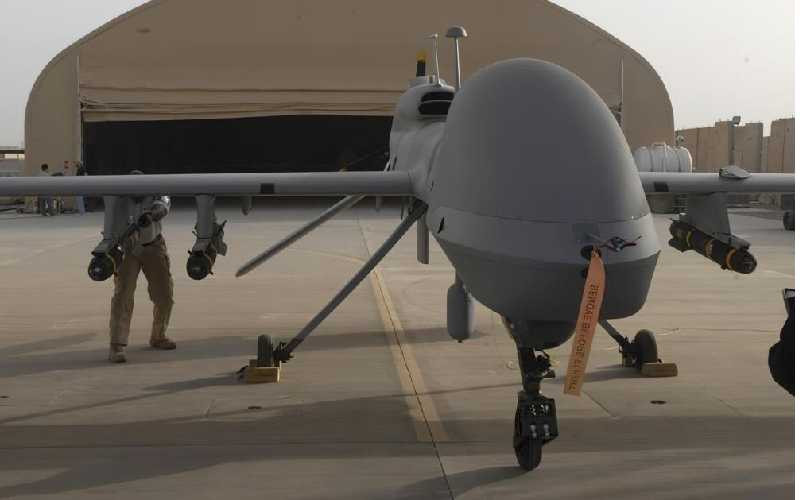
WASHINGTON (AP) - For a year, US officials have been saying that taking out a terrorist threat in Afghanistan with no American troops on the ground would be difficult but not impossible. Last weekend, the US did just that - killing al-Qaida leader Ayman al-Zawahri with a CIA drone strike.
Other high-profile airstrikes in the past had inadvertently killed innocent civilians. In this case, the US carefully chose to use a type of Hellfire missile that greatly minimized the chance of other casualties. Although US officials have not publicly confirmed which variant of the Hellfire was used, experts and others familiar with counterterrorism operations said a likely option was the highly secretive Hellfire R9X - known by various nicknames, including the "knife bomb" or the "flying Ginsu."
Subscribe to our newsletter and stay updated on the latest developments and special offers!










 join
join