×

The Standard e-Paper
Fearless, Trusted News
 The Standard Group Plc is a
multi-media organization with investments in media platforms spanning newspaper
print operations, television, radio broadcasting, digital and online services. The
Standard Group is recognized as a leading multi-media house in Kenya with a key
influence in matters of national and international interest.
The Standard Group Plc is a
multi-media organization with investments in media platforms spanning newspaper
print operations, television, radio broadcasting, digital and online services. The
Standard Group is recognized as a leading multi-media house in Kenya with a key
influence in matters of national and international interest.

Audio By Vocalize
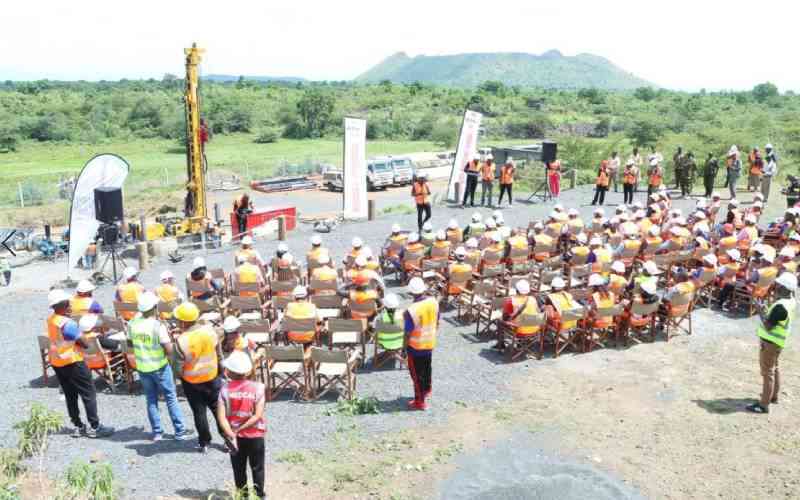
Delegates tour the Mumbi Geothermal Power site during a climate and green industrialisation visit in Kenya’s Rift Valley. [Courtesy]
Kenya is no longer just a country on the frontlines of climate change. It’s becoming Africa’s testing ground for the way out of it.
That ambition was on full display last week as more than 100 parliamentarians from 21 African countries gathered in Nairobi for high-level methane and climate discussions before travelling deep into Kenya’s Rift Valley to witness a new model of African-led green industrialisation taking shape.
At the centre of that vision sits the Sleeping Warrior Special Economic Zone in Elementaita, a 1,517-acre green industrial park combining geothermal energy, carbon capture, clean manufacturing, agro-processing and climate technology ventures. The first phase alone covers about 300 acres.
Delegates tour the Mumbi Geothermal Power site during a climate and green industrialisation visit in Kenya’s Rift Valley. [Courtesy]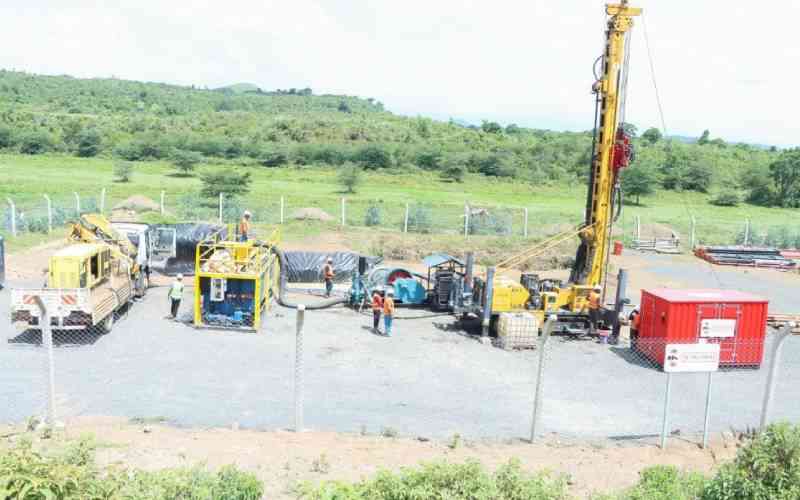
The site is designed as a practical model integrating “clean energy, industrial growth, climate innovation and local employment within one development model.”
That combination is increasingly becoming central to Kenya’s climate strategy.
For decades, Africa’s climate narrative has largely revolved around vulnerability:droughts, floods, food insecurity and climate injustice.
But the country is increasingly trying to shift that narrative toward innovation, green investment and climate technology leadership.
“What you are seeing here is hope,” said Martin Freimüller, co-founder and chief executive of Kenyan carbon capture company Octavia Carbon.
“People think of us as victims. These machines behind us beg to differ.”
Standing beside rows of direct air carbon capture machines designed to remove carbon dioxide directly from the atmosphere, Freimüller described Kenya as potentially “the world’s best place for direct air carbon capture” because of its geothermal resources, favourable geology and engineering talent.
The technology remains rare globally.
Only a handful of direct air capture plants currently operate worldwide, most in Europe and North America. Yet in Elementaita, Kenyan engineers are now building and testing African-developed systems powered largely by renewable geothermal heat.
Octavia Carbon says 99 per cent of its engineering team is Kenyan and that more than 40 Kenyan engineers helped build the machines operating at the site.
Stay informed. Subscribe to our newsletter
The company operates what it describes as the Global South’s first direct air capture and storage plant. The current system removes about 300 tonnes of carbon dioxide annually by pulling carbon from ambient air before liquefying and permanently storing it underground in volcanic rock formations.
Nearby, Cella Carbon Mineral Storage is testing pilot wells capable of storing up to 50,000 tonnes of carbon dioxide annually through mineralisation in basalt rock.
According to project manager Anastasia Wanjohi, that would equal removing approximately 11,000 passenger vehicles from the road every year.
The carbon removal ecosystem emerging in Elementaita is closely tied to geothermal energy development.
Mumbi Limited, a sister company operating within the SEZ, holds a license to explore and develop up to 140 mmegawatts of geothermal energy.
Engineers on site told visiting lawmakers the company’s first deep exploration well targets both thermal and electric energy to power industries operating inside the zone.
“Our target is to drill a well that will give us energy in two forms, thermal and electric energy,” engineer Duncan Kariuki explained during the field visit.
The geothermal project is expected to provide low-cost renewable power to industries ranging from carbon capture firms to green manufacturing companies.
Kenya already generates more than 90 per cent of its electricity from renewable sources, largely geothermal, hydropower and wind.
Now it is trying to leverage that energy advantage to attract climate-focused industries and position itself as a continental green investment hub.
SEZ is described as “one of Kenya’s early mover green industrial park projects” capable of linking renewable energy directly to industrialisation, employment and climate action.
The industrial ambitions extend beyond carbon capture.
The SEZ is also hosting geothermal-powered bio-manufacturing projects such as Silk Origin Ltd, which uses thermal energy to support silk production for pharmaceutical and cosmetic applications. The company has already created more than 100 jobs.
Other proposed investments include a 7.5-megawatt solar plant valued at USD34 million, a green ammonia facility expected to produce 300,000 tonnes of sustainable maritime fuel annually, and negotiations involving semiconductor, lithium battery and solar panel manufacturers.
So far, the SEZ and associated geothermal projects have already created more than 175 jobs.
For Kenya, the implications stretch far beyond climate branding.
The country is increasingly betting that green industrialization could become one of Africa’s next economic frontiers.
“Africa is at the lead in coming up with solutions,” Senator Moses Kajwang' said during the field visit.
But he also warned that financing remains one of the biggest obstacles facing African climate innovators.
“It would be unfair for the young engineers to go to a commercial bank to get a loan,” he said while urging global climate funds to support African-led technologies.
That tension now sits at the heart of Kenya’s climate ambitions.
While the country increasingly markets itself as a hub for climate innovation and green investment, difficult questions remain unresolved.
Experts raised concerns, asking if carbon markets can deliver meaningful local benefits and if surrounding communities will gain affordable electricity and jobs.
And whether Kenya can maintain climate leadership while still struggling with flooding, was the management failures and energy inequality.
Members of parliament acknowledged that projects of this nature raise major policy questions around carbon markets, carbon credit benefit sharing, underground storage regulation, infrastructure readiness and investor oversight.
Still, for many lawmakers visiting Elementaita, the projects represented something larger than a technical experiment.
Nairobi, Women Representative Esther Passaris reflected a growing determination by African countries to participate directly in shaping the global climate economy rather than remaining passive actors within it.
“In Kenya’s Rift Valley, that future is increasingly being built with geothermal steam, basalt rock and African engineering talent,” she observed.

Subscribe to our newsletter and stay updated on the latest developments and special offers!










 join
join