×

The Standard e-Paper
Join Thousands Daily
 The Standard Group Plc is a
multi-media organization with investments in media platforms spanning newspaper
print operations, television, radio broadcasting, digital and online services. The
Standard Group is recognized as a leading multi-media house in Kenya with a key
influence in matters of national and international interest.
The Standard Group Plc is a
multi-media organization with investments in media platforms spanning newspaper
print operations, television, radio broadcasting, digital and online services. The
Standard Group is recognized as a leading multi-media house in Kenya with a key
influence in matters of national and international interest.
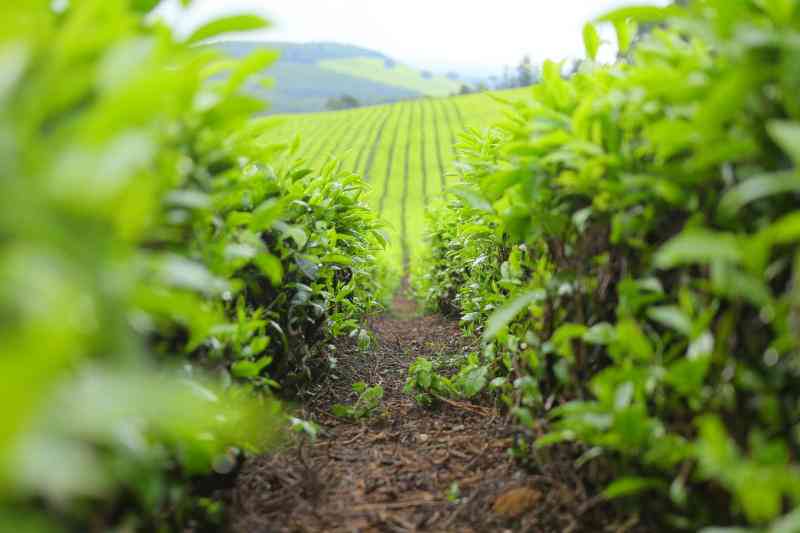
A view of a tea plantation at Kerito Tea Estate in Nyamira County. [Sammy Omingo, Standard]
As the tea industry looks toward the future, the potential for Environmental, Social, and Governance (ESG) impacts to drive sustainable growth and build a more resilient community around the large tea estates is immense. By focusing on environmental sustainability, such as promoting biodiversity conservation and sustainable land management practices, the industry can safeguard the natural resources that are the foundation of its success. Additionally, the industry aims to model environmental stewardship among private and public actors and has in this regard partnered with the Initiative for Sustainable Landscapes ISLA by The Sustainable Trade Initiative - IDH which is steering restoration efforts in the South West Mau Forest ecosystem.
On the social front, initiatives that prioritize community engagement, empowerment of women and youth, and investment in education and healthcare can create a more inclusive and equitable society. By promoting good governance practices, transparency, and accountability, the tea industry can build trust with stakeholders, enhance regulatory compliance, and ensure long-term viability.
Subscribe to our newsletter and stay updated on the latest developments and special offers!










 join
join