×

The Standard e-Paper
Join Thousands Daily
 The Standard Group Plc is a
multi-media organization with investments in media platforms spanning newspaper
print operations, television, radio broadcasting, digital and online services. The
Standard Group is recognized as a leading multi-media house in Kenya with a key
influence in matters of national and international interest.

Audio By Vocalize
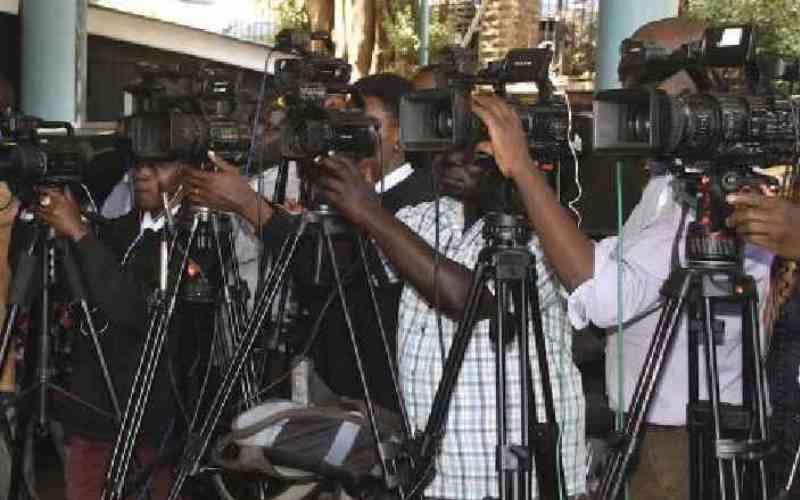
The full cost of an attack on a journalist is not always captured in documented accounts. Beyond the injury, threat or loss suffered by the journalist, there is the possibility that the next story will not be pursued, the next difficult question will not be asked, or the next attempt to expose wrongdoing will be abandoned. These consequences are harder to count, but they matter. When crimes against journalists go unpunished, the damage does not end with the person attacked. The consequences extend to the public, which depends on their work.
Journalism brings information into the public domain so that it can be accessed, examined and subjected to scrutiny. It allows citizens to question decisions, examine the conduct of those in authority and understand events that affect their lives. This work is especially important when the public interest is at stake. A journalist who cannot report freely, or who must weigh the risk of violence against the responsibility to tell a story, works under conditions that can limit what the public gets to know.
This is why this year's International Day to End Impunity for Crimes against Journalists deserves attention beyond the media profession. This year's commemoration theme, “Threats Evolve. Impunity Endures,” captures the problem. The means of attack may evolve, but journalists remain inadequately protected when investigations fail to establish what happened and those responsible are not held to account.
Kenya's own figures demand attention. The Media Council of Kenya documented 47 cases of press freedom violations between July and September 2026. This compares with 17 cases in the corresponding period in 2025 and 24 in 2024. Assaults accounted for 34 of the 47 cases. Among the incidents documented were attacks on four journalists covering the Ol Kalou by-election in July, the assault of eight journalists during the Linda Mwananchi rally in Homa Bay in August, and the abduction of a senior editor with the Standard Group in September.
These figures represent documented violations; they do not show that every case remains unresolved or that every allegation has been adjudicated. Even so, they highlight the serious safety risks journalists face. The report lists alleged perpetrators from several groups, including criminal gangs, political activists, police officers and politicians. Every case must be investigated impartially and decided on the evidence. Even then, while allegations are not proof of guilt, no one implicated in a complaint should be shielded from scrutiny by their position or influence.
As Kenya approaches the 2027 General Election, journalists will be required to cover political campaigns, public picketing and demonstrations and electoral processes in an environment where tensions may arise. Their work helps citizens assess competing claims and follow events that shape the country's future. Protecting journalists is not about placing them above the law. It is about ensuring that they can carry out their duties without violence or unlawful interference, and that any violations are addressed through the proper legal processes.
That responsibility cannot rest with the Media Council of Kenya alone. Law enforcement agencies must investigate reported crimes effectively and impartially. Independent oversight must be accessible where allegations concern officers entrusted with public safety. Prosecutors must assess evidence without improper influence, and courts must determine cases fairly. Media organisations also have a responsibility to assess risks and support journalists facing threats. Each institution has a distinct role, but public interest depends on these responsibilities being fulfilled.
MCK continues to monitor and document press freedom violations, make public interventions and engage relevant institutions on selected cases. But documentation is not a substitute for investigation, just as condemnation is not a substitute for justice. The measure of progress must be whether reported violations receive a credible and timely response and whether those responsible are held accountable where wrongdoing is established.
The test of commitment to press freedom lies not only in what institutions say after an attack, but in what they do next. A journalist should not have to decide whether telling the public something important is worth the risk of being harmed, or whether anyone will care if that harm occurs.
The writer is the Chief Executive Officer of the Media Council of Kenya





Subscribe to our newsletter and stay updated on the latest developments and special offers!