×

The Standard e-Paper
Join Thousands Daily
 The Standard Group Plc is a
multi-media organization with investments in media platforms spanning newspaper
print operations, television, radio broadcasting, digital and online services. The
Standard Group is recognized as a leading multi-media house in Kenya with a key
influence in matters of national and international interest.
The Standard Group Plc is a
multi-media organization with investments in media platforms spanning newspaper
print operations, television, radio broadcasting, digital and online services. The
Standard Group is recognized as a leading multi-media house in Kenya with a key
influence in matters of national and international interest.

Audio By Vocalize

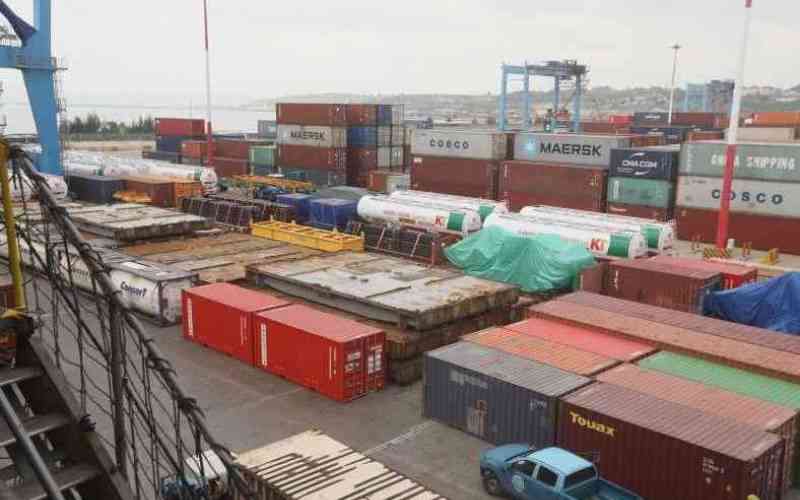
For more than a decade, East Africa has steadily built one of the most compelling regional integration stories on the continent. Governments, working with development partners, have made significant investments in One-Stop Border Posts, and digital customs systems have replaced much of the physical paperwork that once slowed trade. This enables goods to be cleared electronically and processed from centralised points of entry. Coordinated border management and modern customs platforms have helped keep trade moving more efficiently.
Regional agreements have harmonised standards and simplified trade procedures. Along major trade corridors, reforms have gradually reduced the time and cost of moving goods across borders. Efforts to identify and resolve non-tariff barriers (NTBs) have also been strengthened. The impact has been tangible. At several modernized border crossings, clearance times have fallen by as much as 70 per cent, enabling traders to move goods across the region more predictably and at a lower cost. Yet today, this progress is under pressure.
Across the East African Community (EAC) and the Common Market for Eastern and Southern Africa (COMESA), NTBs remain persistent. These are restrictions on trade that take forms other than customs duties. They include import bans, additional charges, fees and levies, repeated product testing, new licensing requirements, and sudden changes in standards. Their effect is to create uncertainty, slow the movement of goods, and increase the cost of doing business.
The numbers tell a concerning story. According to data from the COMESA-EAC-SADC Tripartite Online NTB Elimination Mechanism covering 2008 to 2025, some 928 complaints have been lodged by businesses across the region. While 803 cases have been resolved, 125 remain active. In COMESA alone, 61 complaints are currently unresolved, representing nearly half of all active cases recorded within the tripartite framework.
Equally concerning is the slowdown in resolving cases. According to the EAC Secretariat’s 2025 Non-Tariff Barrier Resolution and Impact Analysis Report, the average time taken to resolve an NTB in the EAC rose from 76 days in 2021 to 274 days in 2024. Such delays threaten the development of regional value chains and undermine efforts to expand intra-regional trade under the African Continental Free Trade Area (AfCFTA), which envisages that simple cases should be resolved within 60 days and more complex cases within 125 days where facilitation is required.
These delays erode trust between trading partners and increase costs for businesses. The economic impact is significant. The EAC Secretariat estimates that non-tariff barriers (NTBs) cost partner states between 1.7 per cent and 2.8 per cent of GDP each year. Where NTBs persist, the value of trade declines.
Business leaders have repeatedly warned about the consequences. The East African Business Council estimates that trade restrictions cost the region roughly $10 billion every year in lost opportunities. At the continental level, the World Bank’s 2020 report, 'The African Continental Free Trade Area: Economic and Distributional Effects', projects that eliminating NTBs could increase intra-African exports by more than 80 per cent and raise incomes by up to $300 billion by 2035. These are not abstract figures. They represent jobs, incomes, and business opportunities that are being lost.
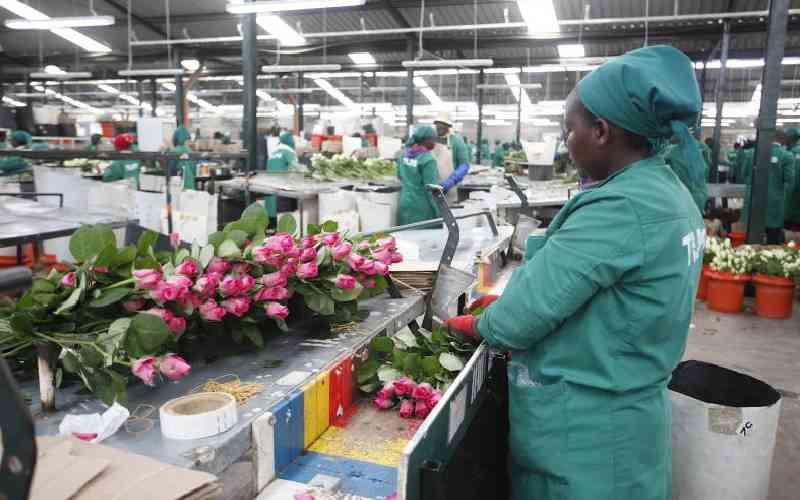
When NTBs persist, businesses feel the effects immediately. Uganda’s egg exports to Kenya dropped sharply in 2022 after Kenya introduced a 25 per cent excise duty and additional levies on imported eggs, measures that traders said disrupted cross-border poultry trade. Similarly, Tanzania’s fertilised egg exports to Kenya declined between 2022 and 2024 amid regulatory disputes affecting poultry products in the EAC. The situation prompted consultations between authorities from both countries in April 2024 to resolve the issue.
In other cases, milk, cement, sugar and processed foods have faced sudden import restrictions or repeated testing requirements, even when they comply with regional standards. Transporters also report multiple road checks and additional charges along key trade corridors.
Why does this keep happening? NTBs often arise from domestic pressures. Governments may seek to protect local farmers during harvest seasons, raise revenue, or shield domestic industries from competition. While such measures may appear politically attractive in the short term, they ultimately harm the wider economy. Consumers pay higher prices. Exporters lose market access. Investors lose confidence. Regional value chains weaken. In this way, Eastern Africa and the wider COMESA region risk moving one step forward and two steps back. This calls for embracing the bigger regional integration picture of trade liberalisation, associated with trade creation, which surpasses trade diversion, hence improving welfare for everyone.
EAC and COMESA already have the legal frameworks and reporting systems needed to address non-tariff barriers. These include the EAC NTB Act of 2017, COMESA regulations, the Tripartite NTB Reporting Mechanism, the EAC NTB reporting application, and the AfCFTA dispute settlement procedures. As digital reporting tools become easier to use, more traders are reporting the obstacles they face. The challenge, therefore, is not the absence of mechanisms but weak implementation and limited political commitment.
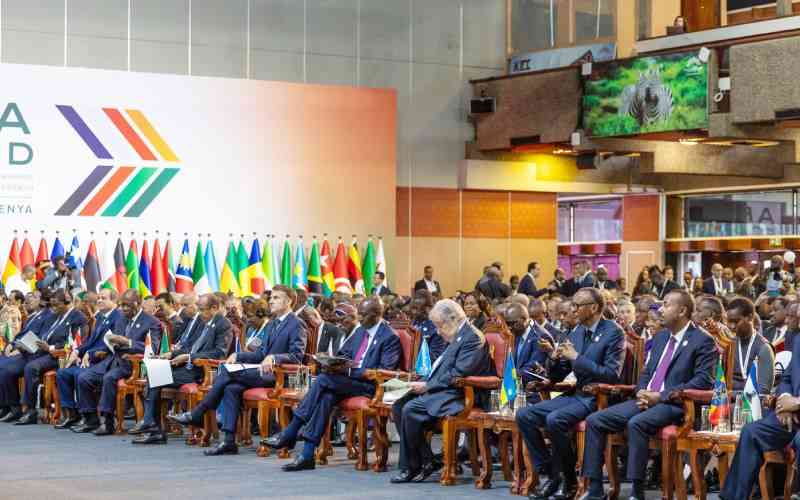
Addressing this requires four practical steps. First, resolution timelines must be enforced so that reported barriers are addressed promptly rather than remaining unresolved for months or years. It is reassuring that EAC Heads of State, during the 25th Ordinary Summit in Arusha on March 7, 2026, directed that all outstanding NTBs reported in the EAC be resolved by the end of June this year.
Second, a transparent regional NTBs Impact Index and scorecard should track how quickly countries resolve reported barriers, how frequently new ones emerge and their impact, strengthening accountability. Third, digital reporting platforms should be fully integrated into national trade systems so that businesses, particularly small and medium enterprises, can report barriers easily and safely. Fourth, the private sector is central to the imposition and resolution of NTBs.





Subscribe to our newsletter and stay updated on the latest developments and special offers!








 join
join