×

The Standard e-Paper
Home To Bold Columnists
 The Standard Group Plc is a
multi-media organization with investments in media platforms spanning newspaper
print operations, television, radio broadcasting, digital and online services. The
Standard Group is recognized as a leading multi-media house in Kenya with a key
influence in matters of national and international interest.
The Standard Group Plc is a
multi-media organization with investments in media platforms spanning newspaper
print operations, television, radio broadcasting, digital and online services. The
Standard Group is recognized as a leading multi-media house in Kenya with a key
influence in matters of national and international interest.

Audio By Vocalize

Hundreds of Kenyans improvised difficult and at times dangerous ways to reach work on Monday after a nationwide matatu strike brought public transport to a standstill.
Across Nairobi and other major towns, commuters walked for hours, squeezed into overcrowded commuter trains, paid inflated boda boda fares, or resorted to risky rides on trucks as they pushed through a day of disruption driven by rising fuel prices and a deepening cost-of-living crisis.
From as early as 4am, bus stages in Nairobi were filled with stranded passengers hoping for matatus that never arrived. Along major roads including Waiyaki Way, Thika Road, Mombasa Road and Jogoo Road, long streams of pedestrians filled highways as many abandoned hopes of finding transport.
In Lower Kabete, frustrated commuters stood in the cold for hours before giving up and either returning home or beginning long walks to their workplaces.
“I have been at the stage since 5am, waiting patiently in the cold. If only the Ubers and Bolts could also come, then it would be better, but none is coming,” said one commuter, who later turned back home after failing to secure transport.
Others, however, had no choice but to continue with their journeys.

One woman said she walked from South C to Kawangware after failing to find any matatu or taxi.
“I have been walking from South C to Kawangware because there is no transport and I still need to get to work. At the end of the day, we have to work and eat,” she said.
Along sections of Thika Superhighway and Mombasa Road, some commuters resorted to hitching rides on cargo trucks and lorries, clinging dangerously as they attempted to beat reporting time.

In several estates, boda boda operators became the only available option, though riders capitalised on the surge in demand by sharply increasing fares. In some areas around Nairobi and its outskirts, a trip that normally costs Sh100 rose to as much as Sh250.

Ride-hailing services such as Uber and Bolt were also overwhelmed, with users reporting unavailable vehicles and steep surge pricing.
“I have been waiting here since 4.30 am. There were no vehicles… I have decided to go back home because it’s getting cold,” said another stranded commuter.
In response to the crisis, the government directed Kenya Railways to deploy additional commuter trains across Nairobi routes and introduced a temporary 10 per cent reduction in rail fares.

The move saw large crowds flock to railway stations as thousands sought limited train services.
The strike was called by the Transport Sector Alliance, which announced a nationwide shutdown involving matatus, trucks, ride-hailing services, school buses and motorcycle operators.
Stay informed. Subscribe to our newsletter
“The Alliance confirms that all transport subsectors have resolved to stand together in one of the largest coordinated industrial actions in Kenya’s history,” the group said in a statement.

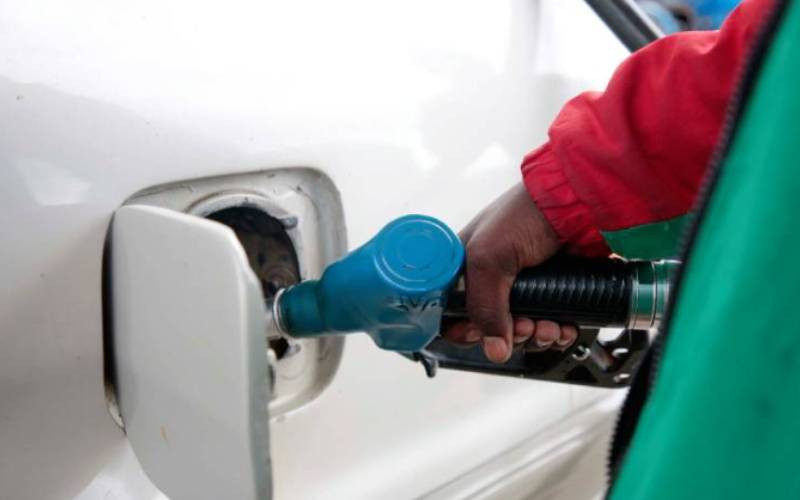
Treasury Cabinet Secretary John Mbadi has warned that the ongoing transport sector paralysis triggered by soaring fuel prices risks deepening pressure on Kenya’s fragile economy, even as public outrage mounts over record pump prices.






Subscribe to our newsletter and stay updated on the latest developments and special offers!








 join
join