×

The Standard e-Paper
Home To Bold Columnists
 The Standard Group Plc is a
multi-media organization with investments in media platforms spanning newspaper
print operations, television, radio broadcasting, digital and online services. The
Standard Group is recognized as a leading multi-media house in Kenya with a key
influence in matters of national and international interest.
The Standard Group Plc is a
multi-media organization with investments in media platforms spanning newspaper
print operations, television, radio broadcasting, digital and online services. The
Standard Group is recognized as a leading multi-media house in Kenya with a key
influence in matters of national and international interest.

Audio By Vocalize
Africa’s biotechnology and biosafety information which had been scattered across multiple agency websites, gazette notices and regulatory documents, making it difficult for users to access and interpret, has been centralised.
This had in the past denied traders, regulators and researchers access to information on issues such as approval decisions for biotech products, including crops and animals, for cultivation, import, export and transit.
The fragmented biosafety regulatory requirements and application procedures led to delays in decision-making, compliance ambiguities, and uncertainty for regulators, researchers, and traders operating across borders.
However, this is set for change with the launch of a continental digital portal designed to make regulatory data easier to access and use. The initiative marks a major step toward strengthening access to credible biotechnology and biosafety information across the continent.
The portal, dubbed ‘Biotech Africa Database’, provides country-specific information on biotech crop approval decisions and summaries of key regulatory requirements for import, export and transit of biotech products.
It also offers, at a glance, a guide to application processes for the movement of biotech products across borders.
Developed by the International Service for the Acquisition of Agri-biotech Applications (ISAAA AfriCenter) and its partners, the product is expected to support informed decision-making, regulatory transparency, regional learning and the responsible deployment of agricultural biotechnology across the continent.
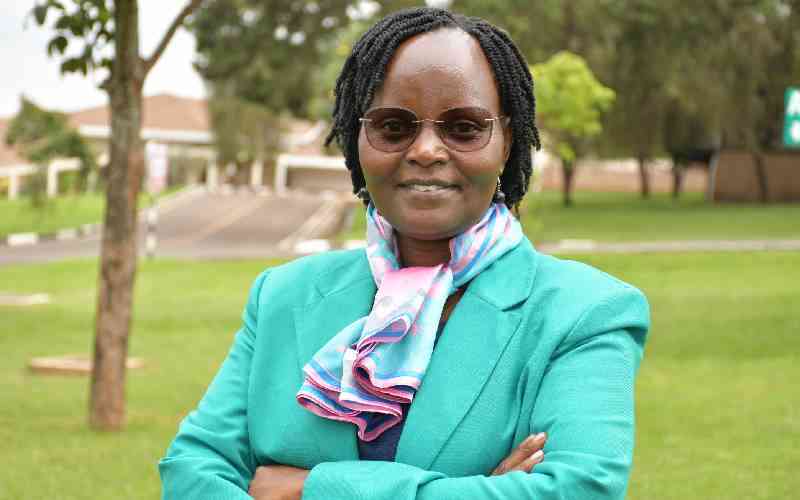
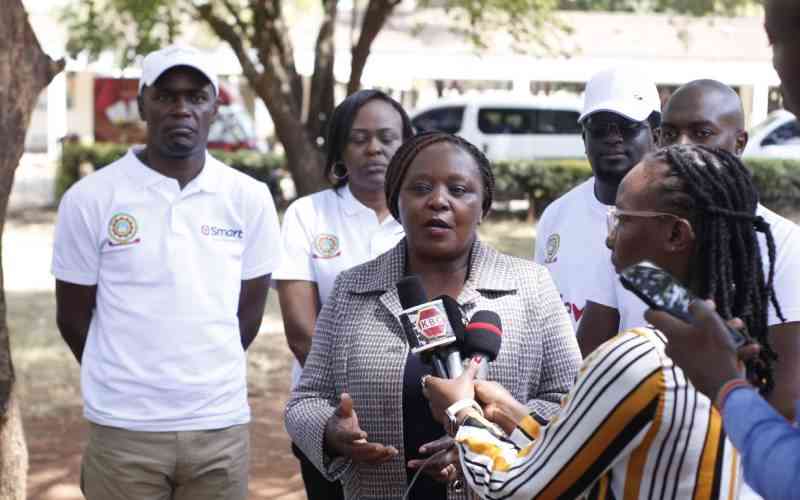
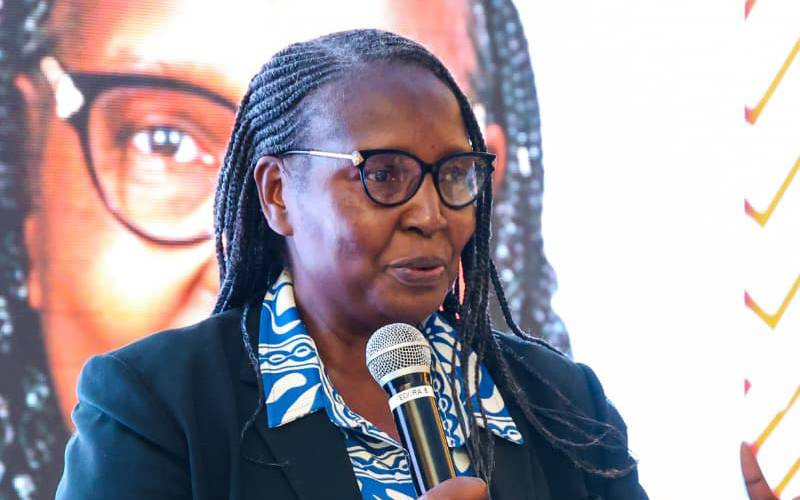
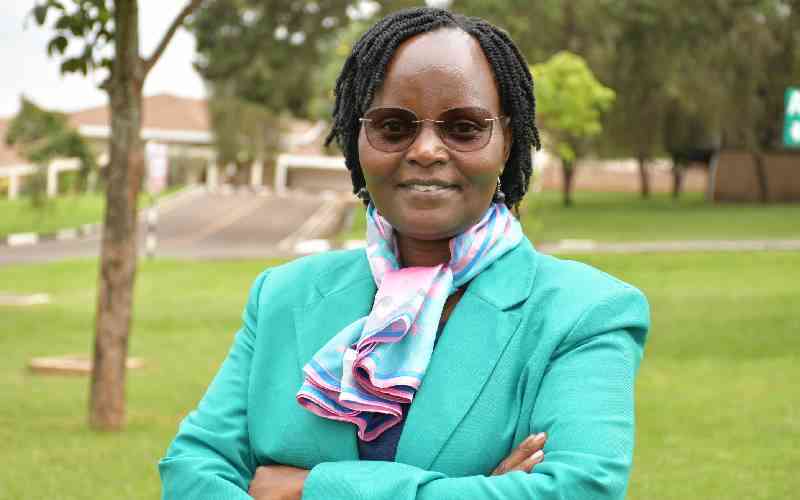
ISAAA AfriCenter director Dr Margaret Karembu sees the move as a solution to the longstanding challenges of accessing biotechnology information, saying that the platform marks a monumental step in leveraging digital data to support regulatory decision-making across Africa.
“The portal provides a consolidated source of accurate and up-to-date information on biosafety approval decisions, regulatory requirements, and guidance on permit acquisition, organised on a country-by-country basis,” she says.
The biotech platform seeks to address this challenge by collating accurate and up-to-date information on biosafety regulations, approval decisions and regulatory processes in one place.
The platform will be particularly useful to traders, regulators, researchers and other stakeholders who require quick and reliable access to regulatory approval decisions and biosafety information.
The deal covers all African countries that have issued approval decisions for the cultivation of biotech crops, as well as approvals for import, export, and transit of products intended for food, feed and processing, and emergency food aid.
These include Burkina Faso, Ethiopia, the Kingdom of Eswatini, Ghana, Kenya, Malawi, Nigeria, Rwanda, South Africa, Sudan, and Zambia. [Nanjinia Wamuswa]
Coverage will continue to expand as additional countries are incorporated during the next phase of implementation. . [Nanjinia Wamuswa]
Stay informed. Subscribe to our newsletter
“Today we have opened a door where data replaces rumours, where a farmer in Kampala (Uganda) sees the same biotech information as a researcher in Kaduna (Nigeria), as a trader in Johannesburg (South Africa) and as a policy maker in Addis Ababa (Ethiopia),” Dr Karembu reveals.
Kenya is among 73 countries currently cultivating or trading in biotech crops. Farmers in the country currently cultivate bollworm-resistant genetically-modified (GM) cotton, which was commercially approved in December 2019.
Kenya’s Biosafety Law allows importation of GMOs through an application as set out in the First Schedule of the Biosafety (Import, Export and Transit) Regulations of 2011, and after the issuance of a written approval.
Globally, over 20 biotech crops are cultivated in 31 countries, with the global area planted with GM crops reaching 218.71 million hectares. An additional 29 countries are importing biotech products or crops for food, feed and processing.
In Africa, six biotech crops have been approved for cultivation in 10 countries – South Africa, Sudan, Malawi, Ethiopia, Kenya, Nigeria, Eswatini, Ghana, Burkina Faso and Rwanda. The approved biotech crops are cassava, cotton, cowpea, maize, potato and soybean.
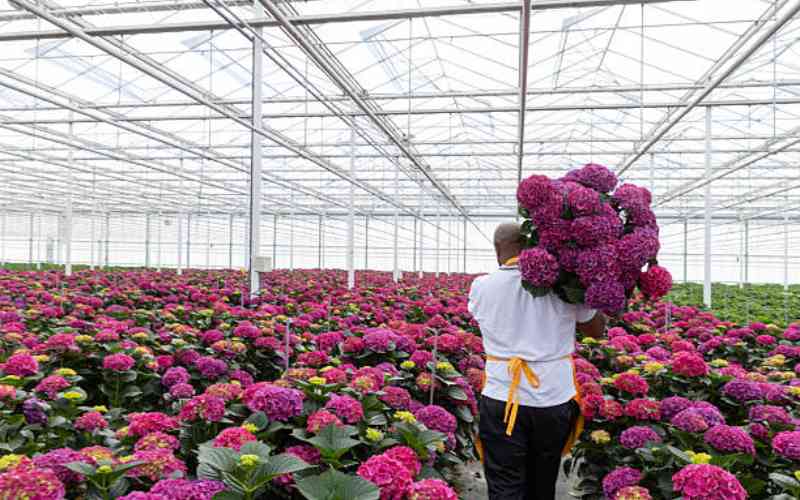
Biotech crops have been improved for traits such as drought tolerance, pest and disease resistance, higher nutrition, increased productivity and herbicide tolerance.
Unfortunately, Dr Karembu explains that misinformation, misrepresentation of facts, and outright falsehoods about biotechnology and biosafety often thrive when accurate information and data are inaccessible, available only to a select few, or when compliance processes are perceived as complex and unclear.
Africa continues to experience the effects of climate change, including prolonged droughts and increasingly unpredictable rainfall patterns.
Combined with endemic and invasive pests, emerging diseases, and post-harvest management challenges that can lead to contaminants such as aflatoxins, food insecurity remains a growing concern across the continent.
“Biotechnology is one of the most versatile tools available to support this transformation. It enables the development of crops and animals that can better withstand environmental and production challenges while improving productivity and resource-use efficiency within a shorter timeframe,” she says.
Africa currently cultivates about 3.98 million hectares of biotech crops, representing close to two per cent of the global biotech crop hectares.
Biotechnology has played a crucial role in alleviating poverty and improving the lives of more than 17 million small-scale farmers in developing countries.
By contributing to higher yields and reducing dependence on costly chemical inputs, biotech crops have helped farmers, their families and communities build more stable and resilient livelihoods.
Efforts will now focus on ensuring the platform tracks developments in real time while securing strong support from regulatory agencies and governments across the continent.





Subscribe to our newsletter and stay updated on the latest developments and special offers!








 join
join