×

The Standard e-Paper
Smart Minds Choose Us
 The Standard Group Plc is a
multi-media organization with investments in media platforms spanning newspaper
print operations, television, radio broadcasting, digital and online services. The
Standard Group is recognized as a leading multi-media house in Kenya with a key
influence in matters of national and international interest.
The Standard Group Plc is a
multi-media organization with investments in media platforms spanning newspaper
print operations, television, radio broadcasting, digital and online services. The
Standard Group is recognized as a leading multi-media house in Kenya with a key
influence in matters of national and international interest.

Audio By Vocalize

The dastardly act by students of Utumishi Girls Senior School of allegedly lighting a fire that led to the death of their 16 colleagues and injuries to many others is the worst news in the education sector in recent memory. It is unimaginable that at least 9 girls would agree to do so without any of them changing their minds or even leaking this information to their friends. The history of school strikes, their causes, and effects are well documented and have been there since independence. The focus of our discussion should, in my view, centre on preventive measures that should be in place to avoid future catastrophes of this nature by examining regulatory bodies that have failed the government. Banks are regulated by the Central Bank, universities by the Commission for University Education, police by IPOA, military by the military Police, the executive arm of government by, among others, the Controller of Budget and the Auditor General, technical education by CIDACC, and constitutional commissions by their commissioners, just to mention a few. Who regulates the Department of Basic Education?
The Basic Education Act, 2013, provides for the establishment of the “Educational Standards and Quality Assurance Council” ESQAC, whose main function is to ensure maintenance of standards and quality of teaching and learning in basic education institutions. This Act provides that an officer of the council has the power to recommend the temporary suspension of the operations of any institution for a specific period until basic standards are met, just like Health Inspectors are empowered to close butcheries, hotels, all other eateries and educational institutions that do not meet set standards of sanitation. Unfortunately, ESQAC has not been established 13 years after this Act was enacted and even after the High Court directed the Cabinet Secretary (CS) for education to establish it following a suit to that effect in 2024. Why haven’t successive CSs established ESQAC? Is it out of omission or commission, or lack of funds for its establishment? Can’t those individuals who filed the suit in the first place file for contempt of court charges against the CS? My insistence on the establishment of ESQAC is that the Ministry would have a regulatory body that would ensure safety and security in schools by inspecting all schools and directing that those that are unsafe be suspended without reference to the CS. Do we have to lose more lives before this well-thought-out idea of establishing ESQAC is implemented? Are the provisions of this Act to be implemented selectively? Are court orders supposed to be ignored?
At the school level, there is a Board of Management (BoM) that manages the school on behalf of the CS on delegated powers. The Act provides for the establishment of an audit committee of the board that should oversee all aspects of school safety that can adversely affect teaching and learning. These include admission of students beyond the capacity of the school to provide adequately spaced dormitories, laboratories, classrooms, playgrounds, sanitation facilities and availability of water and sufficient waterpoints. They would also check on the availability of fire extinguishers and ensure emergency drills are carried out periodically. We should find out how many of the 10,000 senior schools in Kenya have established audit committees. If not, why haven’t the chairpersons and the ministry’s representatives on the Board raised an alarm on this matter? Isn’t this negligence of monstrous proportions in view of the safety and security of students?
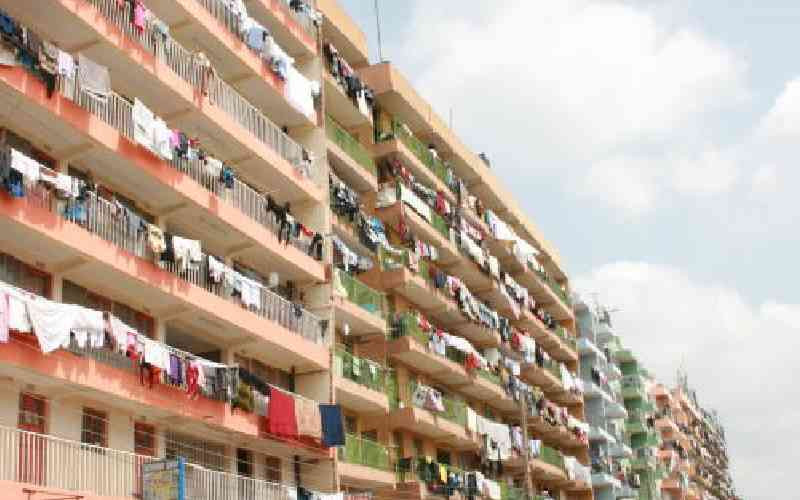
The third factor that has contributed immensely to congestion in schools is the policy of 100% transition of students from primary schools to secondary schools that was started ten years ago, however noble the intention was. Principals and BoMs would be surprised that the Ministry will have allocated sometimes up to 100 students beyond the capacity of the school to handle every January form 1 admissions. In January 2026, almost every cluster 1 and 2 school admitted double their capacity of grade 10 students. Utumishi Girls High School is reported to have admitted 489 students against a yearly normal admission of 200 students. Over-admission of students causes stress among students, teachers, cooks, laboratory assistants and the principals. Hardly do board members physically check the situation in all the facilities when they attend meetings. Furthermore, we are bringing up a generation that does not know that in other jurisdictions their peers live comfortable lives, unlike in this country, where they travel in congested matatus, share beds in congested hospitals, sleep in congested school dormitories and their relatives in jails live in congested unsanitary prisons. The cumulative psychological effects and stress levels of the youth and adults are difficult to quantify, but have serious effects on their mental wellness. Ways and means should be put in place to ensure that the 9 out of 12 months that students are in schools every year are periods that students look forward to. The schools should become an inviting environment rather than a repelling one.
Fourthly, even before ESQAC is established, there is a quality assurance department of the Ministry of Education. What has it done to prevent unsafe and insecure situations in schools in the course of their duties? The officers there know very well that the Basic Education Act, 2013, that they operate under, is guided by principles that basic education institutions should always be “promoting the protection of the right of the child to protection, participation, development and survival”. Yes, you read it right, survival of the child. Every quality assurance officer should be made to account for what they have done to enhance this guiding principle on a yearly basis.
From this write-up, it should be clear that whereas the government will never know the evil intentions of wayward students, it has a duty to anticipate and pre-empt such intentions from being carried out through measures that are already put in place in law. The ministry has let the country down over many years due to errors of omission, leading to losses of precious innocent lives. The president should crack the whip.
The writer is an Educational specialist and a former Secretary of TSC.




Subscribe to our newsletter and stay updated on the latest developments and special offers!







 join
join