×

The Standard e-Paper
Kenya’s Boldest Voice
 The Standard Group Plc is a
multi-media organization with investments in media platforms spanning newspaper
print operations, television, radio broadcasting, digital and online services. The
Standard Group is recognized as a leading multi-media house in Kenya with a key
influence in matters of national and international interest.
The Standard Group Plc is a
multi-media organization with investments in media platforms spanning newspaper
print operations, television, radio broadcasting, digital and online services. The
Standard Group is recognized as a leading multi-media house in Kenya with a key
influence in matters of national and international interest.

Audio By Vocalize
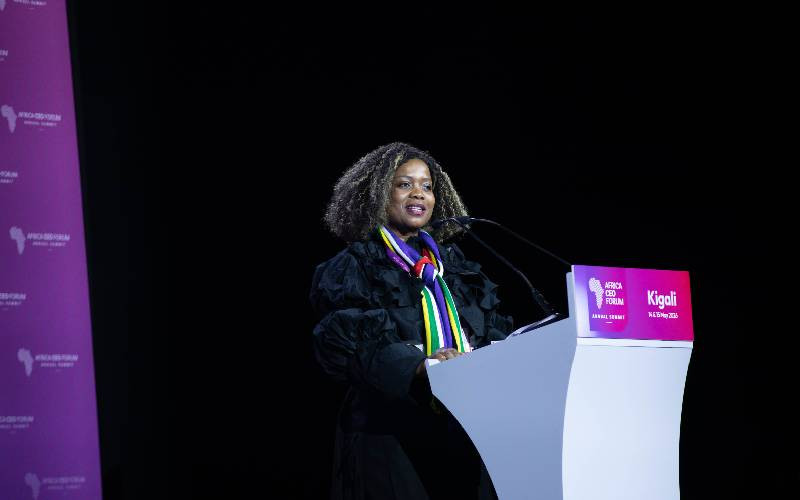
The African Continental Free Trade Area (AfCFTA) agreement carries enormous potential for African economies. However, a lot remains to be done to translate it into tangible outcomes for businesses and citizens.
The agreement can help reduce fragmentation, improve market access, and create a more predictable environment for investors.
South Africa is banking on the AfCFTA to deepen trade integration, unlock cross-border investments, and position itself as a stronger gateway for investors seeking access to the continent’s expanding markets.
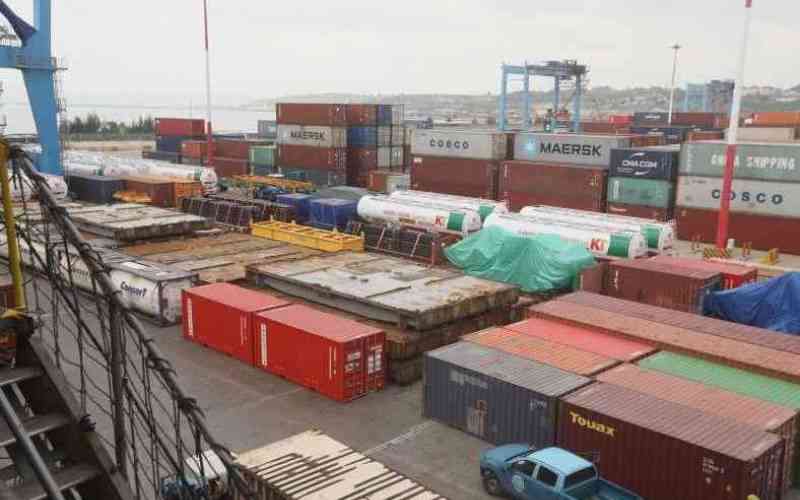
Under the trade agreement, Kenya’s strategy aims to integrate the region into the wider African market, with 40 per cent of its total exports already going to other African nations.
The Ministry of Trade says the country’s collective efforts must focus on developing export-ready enterprises, leveraging digital trade platforms and investing in standards harmonisation and infrastructure connectivity to strengthen its competitive edge.
AfCFTA is Africa’s most ambitious economic integration project, transforming the continent from 54 fragmented markets into a single, integrated market of 1.4 billion people with a combined GDP of over $3.4 trillion (Sh442 trillion). Speaking during the Africa CEO Forum, Brand South Africa Chief Marketing Officer Mmaphuthi Rankapole, said the continent had already taken an important step through the establishment of the AfCFTA, but stressed that the agreement must now be made to work in practical terms.
“The AfCFTA is a fantastic initiative. We just need to make that work because it opens up, it connects us, it integrates the countries, it harmonises the way we work,” she said.
And as South Africa presents itself not only as an investment destination, but also as a continental partner ready to build stronger economic ties with other African countries, it remains the premier gateway to the African continent, offering developed financial markets, an extensive logistics network, and an emerging digital hub.
Rankapole said South Africa’s investment proposition is anchored on years of infrastructure development, a deep pool of talent, and recent progress in addressing challenges that had previously weighed on investor confidence, including energy constraints and credit rating concerns.
She said the country is now focusing on priority sectors such as renewable energy, agriculture, digital economy, mining, automotive manufacturing, logistics, tourism, and financial services. Global narratives about Africa continue to focus disproportionately on instability, conflict, and risk.

Subscribe to our newsletter and stay updated on the latest developments and special offers!










 join
join