×

The Standard e-Paper
Home To Bold Columnists
 The Standard Group Plc is a
multi-media organization with investments in media platforms spanning newspaper
print operations, television, radio broadcasting, digital and online services. The
Standard Group is recognized as a leading multi-media house in Kenya with a key
influence in matters of national and international interest.
The Standard Group Plc is a
multi-media organization with investments in media platforms spanning newspaper
print operations, television, radio broadcasting, digital and online services. The
Standard Group is recognized as a leading multi-media house in Kenya with a key
influence in matters of national and international interest.

Audio By Vocalize
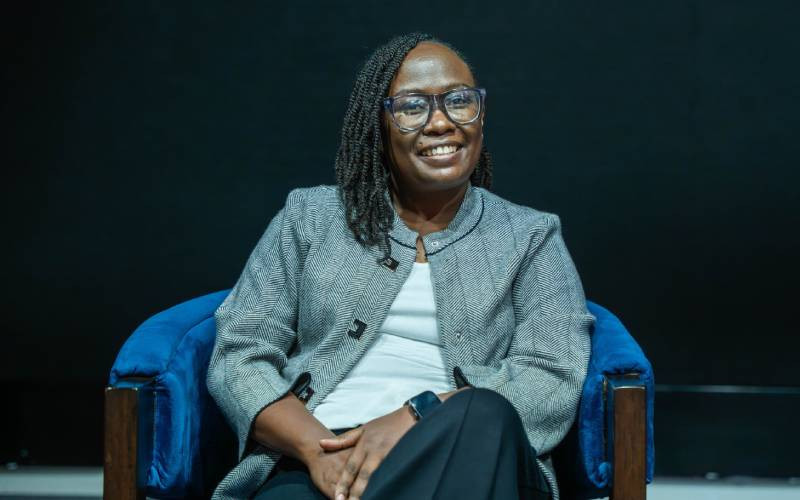
They often say motherhood is hard, and even harder when your child needs more of you than most. But for Elaine Wanja, the story is not about hardship. It is about balance.
By the time she logs into work, she has already navigated a world of routines, therapy schedules and small, hard-won victories raising her eight-year-old autistic son.
Then she steps into her role as a Human Resource professional, steady, composed and expected to show up for others.
Somewhere in between, she has learned how to show up for both. For her, the journey did not begin with certainty. It began with instinct.
“There was a lot of noise, everyone had something to say,” she recalls. “But I had to ask myself, is this making me uncomfortable? And if it is, what do I need to do about it?”
That discomfort led her to seek medical advice and, eventually, clarity.
What followed was not panic, but structure.
“I realised early that you cannot do this randomly. You need systems,” she says.
Today, her son’s life is built on those systems, speech therapy, occupational therapy and the support of a shadow teacher to help him stay on track in school. At home, routine is non-negotiable.
“Consistency is everything. You do not try for a few weeks and stop. You keep going,” she says.
For six years, she has.
The result, she says, is a child who is now largely independent, able to communicate, engage and thrive in a mainstream school environment.
But that progress has come at a cost.
“It takes time. It takes resources. And sometimes you have to sacrifice,” she says. But early intervention makes all the difference.
While raising her son, Wanja has also built a career in Human Resource management, an area that demands emotional intelligence, responsiveness and constant availability.
Stay informed. Subscribe to our newsletter
For many mothers, that balancing act can feel impossible. However, for Wanja, it has been intentional.
“I had to learn that I need to show up for my work, but I also need to show up for my children. And I cannot do either well if I do not show up for myself,” she says, adding that part of that balance has come from choosing environments that support her reality.
“I have been fortunate to work in organisations that understand family and work-life balance. That makes a big difference,” she says, adding that, that, perspective that has also shaped how she leads in HR.
“I always say I am a human being first before I am HR. Because if this is what I am going through, there are so many employees going through things they don’t talk about,” says Wanja.
According to her, that balance is rarely achieved alone. However, she says, with a support system, it is achievable.
Behind her is a strong support system, her sisters, her mother, close friends and her children’s father.
“My family really showed up. They make my son feel loved, and they gave me the courage to keep going,” she says.
That support she adds has helped her avoid a common trap many parents fall into: withdrawal.
“You can easily shut down when you realise your child has special needs. But you need a community. You cannot do this alone,” Wanja says.
For her, raising a child with autism has not meant limiting his world; it has meant expanding it, carefully and consistently.
She takes him shopping, involving him in everyday tasks. She introduces him to social spaces like church, gradually building his comfort, but most importantly, maintains routines that create stability, even in small things like sleep and screen time.
“They understand more than we think. You just have to be patient and consistent.”
In the middle of it all, Wanja says she has discovered something unexpected, herself.
“I’ve learned that I am strong. Stronger than I ever thought,” adding that raising her son has also taught her patience, resilience and the importance of emotional control. Choosing when to step away from overwhelming moments rather than react.
“You have to pour into yourself first. That is how you’re able to pour into others,” she says, urging mothers with similar circumstances to take care of their well-being first, find the right experts and be consistent.

Subscribe to our newsletter and stay updated on the latest developments and special offers!










 join
join