×

The Standard e-Paper
Home To Bold Columnists
 The Standard Group Plc is a
multi-media organization with investments in media platforms spanning newspaper
print operations, television, radio broadcasting, digital and online services. The
Standard Group is recognized as a leading multi-media house in Kenya with a key
influence in matters of national and international interest.
The Standard Group Plc is a
multi-media organization with investments in media platforms spanning newspaper
print operations, television, radio broadcasting, digital and online services. The
Standard Group is recognized as a leading multi-media house in Kenya with a key
influence in matters of national and international interest.

Audio By Vocalize
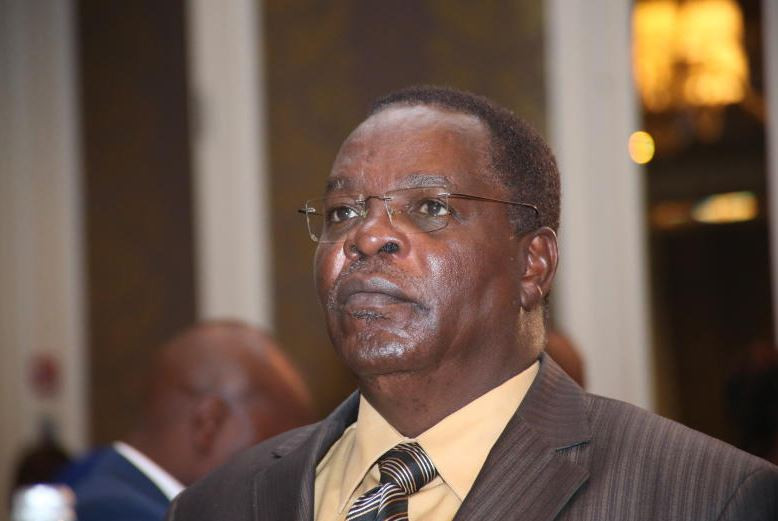
Engineers have been urged to take a firm stand against corruption, amid warnings that unethical conduct within the profession poses a serious threat to Kenya’s economic stability, infrastructure development and public trust.
Speaking during the Institution of Engineers of Kenya (IEK) annual gala dinner in Nairobi, Dr David Oginde, chairperson of the Ethics and Anti-Corruption Committee, cautioned engineers against becoming conduits of corruption, likening the vice to termites that silently destroy structures from within.
“Corruption is like a termite. It does not attack a building from the outside. It eats it slowly from within, and by the time you realise what is happening, the entire structure collapses. As professionals in the construction and infrastructure space, engineers must understand that integrity is not optional. It is the foundation upon which development stands," said Oginde.
He said corruption in infrastructure projects often leads to inflated costs, poor-quality work, stalled developments and loss of public confidence, adding that professionals bear a personal responsibility to uphold ethical standards.
IEK President Engineer Shammah Kiteme said IEK has been increasingly vocal on policy advocacy, governance and the future of infrastructure development in Kenya.
He however raised concerns over continued sidelining of Kenyan engineers in major infrastructure projects, noting that many large-scale developments are still dominated by foreign firms.
“Research has demonstrated that about 85 per cent of mega infrastructure projects in this country have been handled by foreigners. This has made Kenyan engineers spectators in projects being carried out in their own country,” Kiteme said.
He said the situation has been persistent despite Kenya being “literally a construction site”, with numerous ongoing projects that could absorb thousands of local engineers.
“This year, we even had a peaceful march on August 27, where we were asking for employment opportunities for 10,000 engineers. The opportunities are there, and if there is deliberate intention, it is possible to absorb all engineers," he said.
Kiteme also called for stronger self-regulation within the engineering profession, saying lapses in practice and oversight have contributed to quality and governance challenges in the sector.
He further called for the establishment of an infrastructure advisory office within the Office of the President, arguing that while infrastructure remains central to Kenya’s development agenda, there is a gap in technical advisory capacity at the highest level of decision-making.
“There is very aggressive talk about infrastructure coming from the Office of the President, and rightly so. But the question is, does the President have competent, experienced, licensed engineers advising him on infrastructure matters?” said Kiteme.
He warned that appointing non-engineers to head institutions whose core mandate is technical in nature could have far-reaching consequences.
“That is a dangerous thing because someone who is supposed to be technically competent ends up advising the government based on information from juniors. With the right expertise and algorithms, some infrastructure decisions can be done much better than what we are seeing,” said Kiteme.
Stay informed. Subscribe to our newsletter
Subscribe to our newsletter and stay updated on the latest developments and special offers!









 join
join