×

The Standard e-Paper
Smart Minds Choose Us
 The Standard Group Plc is a
multi-media organization with investments in media platforms spanning newspaper
print operations, television, radio broadcasting, digital and online services. The
Standard Group is recognized as a leading multi-media house in Kenya with a key
influence in matters of national and international interest.
The Standard Group Plc is a
multi-media organization with investments in media platforms spanning newspaper
print operations, television, radio broadcasting, digital and online services. The
Standard Group is recognized as a leading multi-media house in Kenya with a key
influence in matters of national and international interest.

Audio By Vocalize
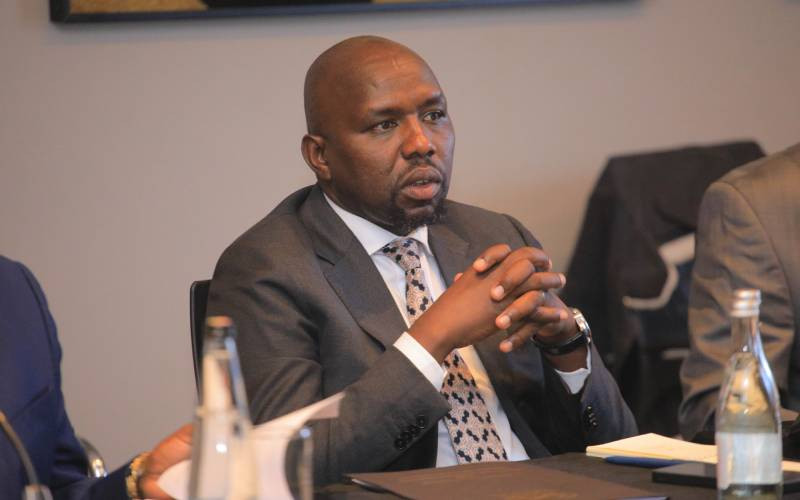
Nothing describes Onesmus Kipchumba Murkomen more aptly than the adjective 'feckless'. As Cabinet Secretary (CS), his deportment makes one acutely aware of how public offices in Kenya are decomposing from within. What the Constitution under Article 73 treats as a solemn public trust has, under the current arrangement, become a tradable commodity dispensed for loyalty.
Cabinet posts are rarely filled on the strength of expertise anymore. They are given as rewards for partisan fidelity that overrides competence every time. Vetting by the National Assembly, envisaged as a Chapter Six integrity filter, has become a choreographed ritual of deference. The public ultimately foots the bill for administrative blunders, open impunity, and slow institutional decay.
Nothing illustrates the breakdown more clearly than repeated moments when senior functionaries step outside constitutional roles or show how out of depth they are. Mr Murkomen has been shifted from one high-stakes docket to another, from Roads to Interior, and slips, flashes of excess, and inflammatory comments at the worst times have marked each stint. From lecturing mourners to rationalising police excesses.
Instead of steady strategic direction, his appearances turn into defensive damage control. One wonders whether appointments and vetting ever test capability or only measure usefulness to political survival. Article 152 demands competent CSs, but practice demands loyalists who can mobilise constituencies and fundraise.
The erosion of boundaries hit a low point when former Health CS Susan Nakhumicha, at a funeral in Trans Nzoia, claimed powers belonging to the National Police Service Commission. She ordered transfer of a local OCS, citing a vague 'one government approach'. Treating her docket as a licence to command across departments, she rode roughshod over Articles 245 and 246 on police independence and revealed how officials treat portfolios as personal fiefdoms rather than constitutional mandates.
CS Aden Duale's past remarks about Eastleigh operations and his open defence of ethnic interests during counter-terrorism crackdowns raised questions about whether senior officials can separate statecraft from communal loyalty. These are not one-off gaffes. Together they form a pattern: Cabinet appointees treating constitutional offices as stages for political posturing and clan signalling.
The rot does not stop at Cabinet level. It percolates to Principal secretaries and heads of State corporations who must implement policy. Once patronage sets the tone at the top, accounting officers fall in line. Capable civil servants are pushed aside for well-connected individuals. Senior administrators operate as if political alignment offers permanent cover from oversight by the Auditor General and Public Service Commission.
When leadership rests on patronage instead of merit, public trust collapses. Service delivery stalls, pending bills balloon, and the wage bill funds loyalty rather than productivity. Young professionals see no path except connections. When the Executive stays silent just to keep fragile coalitions intact, the signal is that protecting alliances ranks above public interest, contrary to Article 232 values of professionalism, accountability, and Article 10 public participation.
Kenya stands at a dangerous fork. When institutions are reshaped to serve a ruling elite, the country risks sliding into a banana republic organised around extraction. Unlike Botswana and Rwanda, which institutionalised merit-based appointment, Kenya rewards loyalty. Power offers temporary shelter from accountability, but authority without legitimacy does not last. International mechnisms, including the International Criminal Court and human-rights tribunals, remain living reminders that legal liability often outlives political careers. Power will not always protect those who abuse state machinery or violate rights for preservation.
This governance crisis evokes biblical warnings. Proverbs 29: 2 puts it clearly: When the righteous are in authority, the people rejoice; when the wicked rule, the people mourn. The Scripture shows leaders who put personal gain above justice eventually destroy nations. Ancient kingdoms that traded justice for greed paid in economic collapse and social breakdown, a warning Kenya should heed.
A country cannot build a lasting future on political handouts. Until Kenya restores merit, enforces Chapter Six through real lifestyle audits and conflict-of-interest vetting, builds a competency framework for CSs and PSs, and puts unflinching respect for rule of law back at the centre of appointments, patronage will keep holding the nation back and mortgaging its future.







Subscribe to our newsletter and stay updated on the latest developments and special offers!









 join
join